The BMW oxygen sensor is a small but important part of your car’s exhaust system. It measures the amount of oxygen in the exhaust gases. This information helps the engine adjust the air-to-fuel mixture. A healthy sensor improves fuel economy, engine performance, and emissions.
If your BMW has poor fuel mileage, rough idling, or a check engine light, the oxygen sensor could be the cause. Many drivers ignore these early signs until bigger problems appear. Replacing a faulty sensor on time can save money and prevent damage to other engine parts.
In this guide, you’ll learn the common signs of a failing BMW oxygen sensor, the causes of its failure, and how to test it. We’ll also cover replacement costs, repair options, and simple maintenance tips to help keep your BMW running smoothly.
What Is a BMW Oxygen Sensor?
A BMW oxygen sensor is a device that measures the amount of oxygen in the exhaust gases. It sends this information to the engine control unit (ECU). The ECU uses the data to adjust the air-to-fuel mixture. This helps the engine run efficiently.
The oxygen sensor is installed in the exhaust system. Most BMW models have more than one sensor. Some are placed before the catalytic converter, while others are located after it. Each sensor has a different job in monitoring engine performance and emissions.
A working oxygen sensor helps improve fuel economy, reduce harmful emissions, and keep the engine running smoothly. If the sensor fails, your BMW may lose performance and use more fuel. Replacing a faulty sensor at the right time can help prevent more expensive repairs.
How It Works
A BMW oxygen sensor checks the amount of oxygen left in the exhaust gases after combustion. It sends this information to the engine control unit (ECU). The ECU uses the data to control the air and fuel mixture for the engine.
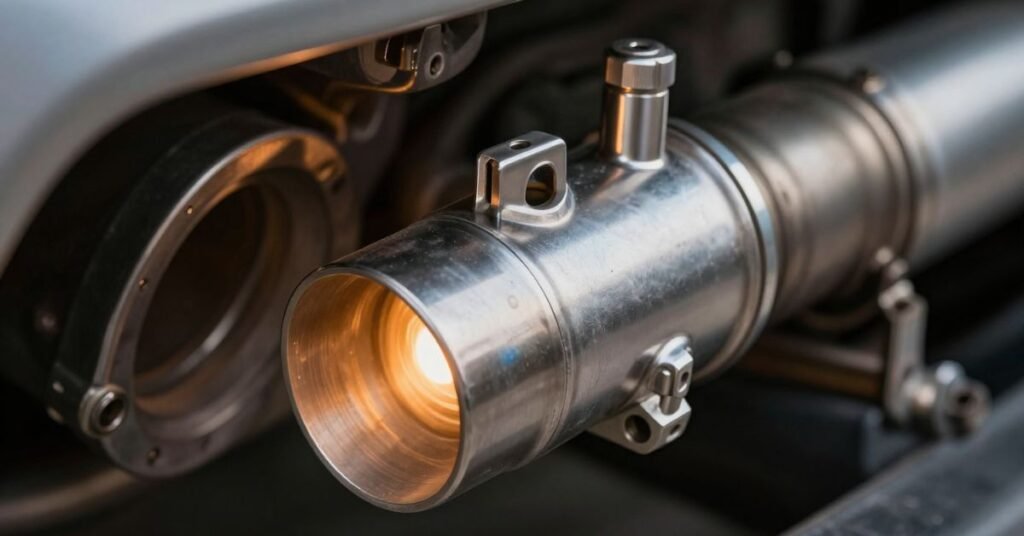
When the sensor detects too much oxygen, the engine adds more fuel. If it detects too little oxygen, the engine reduces the fuel supply. This constant adjustment helps the engine run smoothly and efficiently under different driving conditions.
The sensor works all the time while the engine is running. It helps improve fuel economy, reduce exhaust emissions, and protect the catalytic converter. A properly working oxygen sensor keeps your BMW performing at its best.
Common Symptoms
A failing BMW oxygen sensor can cause several warning signs. One of the most common is the check engine light turning on. You may also notice rough idling, slow acceleration, or a loss of engine power. These symptoms often become worse over time.
Poor fuel economy is another common symptom. A faulty sensor can send incorrect data to the engine control unit. This may cause the engine to use too much fuel. You might also smell fuel from the exhaust or notice black smoke in some cases.
Your BMW may also fail an emissions test if the oxygen sensor is not working properly. The engine may hesitate during acceleration or run unevenly. Replacing a bad sensor early can restore performance and help prevent damage to the catalytic converter.
Causes of Failure
A BMW oxygen sensor can fail because of normal wear and tear. Over time, heat and constant use reduce its accuracy. Most oxygen sensors last for many years, but they do not last forever.
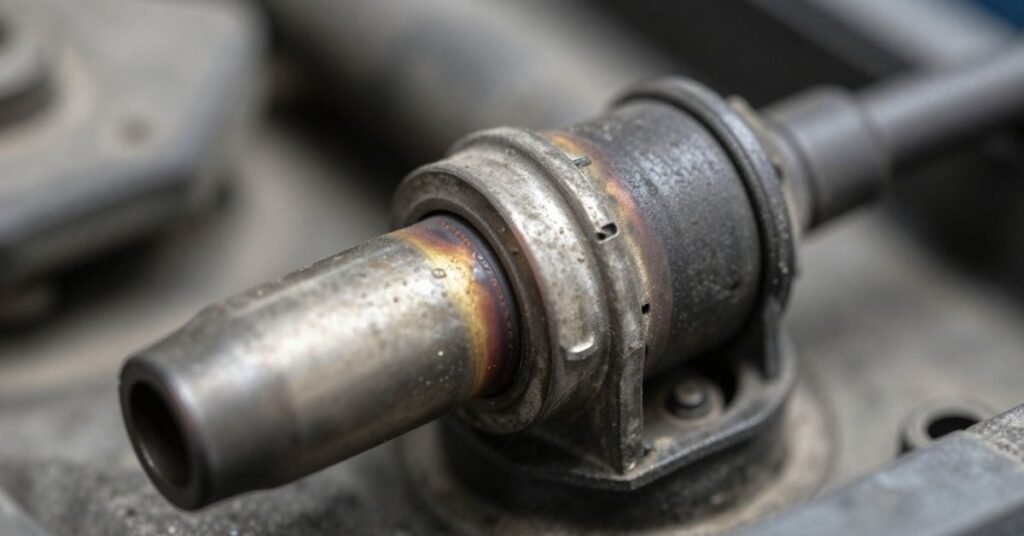
Oil leaks, coolant leaks, or fuel contamination can also damage the sensor. These substances can coat the sensor tip and stop it from reading oxygen levels correctly. A dirty sensor may send incorrect signals to the engine control unit.
Driving with engine problems can shorten the life of the oxygen sensor. A faulty spark plug, rich fuel mixture, or exhaust leak can put extra stress on it. Regular maintenance helps keep the sensor working properly and extends its lifespan.
Sensor Location
The BMW oxygen sensor is located in the exhaust system. Most BMW models have sensors before and after the catalytic converter. Their exact position depends on the engine and model year.
The sensor before the catalytic converter is called the upstream sensor. It measures oxygen levels coming directly from the engine. The downstream sensor is placed after the catalytic converter. It checks how well the converter is reducing emissions.
You can usually find the sensors by following the exhaust pipe underneath the car. Some BMW models have two sensors, while others have four or more. If you are unsure of the location, check your owner’s manual or a repair guide for your specific BMW model.
Types of Sensors
BMW vehicles use different types of oxygen sensors to monitor engine performance and emissions. The most common are upstream and downstream sensors. Upstream sensors measure oxygen levels before the catalytic converter. Downstream sensors check how well the catalytic converter is working.
Some BMW models also use different sensor technologies, such as zirconia and wideband (air-fuel ratio) sensors. The type depends on the engine and model year. Using the correct sensor is important for accurate readings and proper engine performance.
| Sensor Type | Other Name | Location | Main Function | Common Use |
| Upstream Oxygen Sensor | Pre-Catalytic Sensor | Before the catalytic converter | Measures oxygen in exhaust gases and helps adjust the air-fuel mixture | Found on almost all BMW models |
| Downstream Oxygen Sensor | Post-Catalytic Sensor | After the catalytic converter | Monitors catalytic converter efficiency | Used for emissions monitoring |
| Zirconia Oxygen Sensor | Narrowband Sensor | Before or after the catalytic converter | Detects whether the air-fuel mixture is rich or lean | Common on older BMW models |
| Wideband Oxygen Sensor | Air-Fuel Ratio Sensor | Usually, before the catalytic converter | Provides more accurate air-fuel measurements | Common on newer BMW models |
| Heated Oxygen Sensor | HO2S | Before or after the catalytic converter | Heats up quickly for faster and more accurate readings | Used in most modern BMW vehicles |
Replacement Steps
Start by turning off the engine and letting the exhaust cool completely. Disconnect the negative battery terminal for safety. Raise the vehicle securely if you need better access to the sensor.
Locate the faulty oxygen sensor and unplug its electrical connector. Use an oxygen sensor socket or wrench to remove it carefully. Compare the old sensor with the new one to make sure they match.
Install the new sensor and tighten it according to the recommended specification. Reconnect the electrical connector and the battery. Start the engine, clear any fault codes with an OBD2 scanner if needed, and check that everything is working properly.
Replacement Cost
The cost to replace a BMW oxygen sensor depends on the model and the type of sensor. The sensor itself usually costs more for newer BMW vehicles. Genuine BMW parts are often more expensive than aftermarket options.
Labor charges also affect the total cost. If the sensor is easy to reach, the replacement is usually quick. Sensors in hard-to-access locations may require more labor and increase the repair bill.
Replacing a faulty oxygen sensor early can save money in the long run. A bad sensor can reduce fuel economy and damage the catalytic converter if left unfixed. Timely replacement helps avoid more expensive repairs later.
Choosing the Right Sensor
Choose an oxygen sensor that matches your BMW’s model, engine, and model year. Not all sensors are the same. Using the correct part ensures accurate readings and proper engine performance.
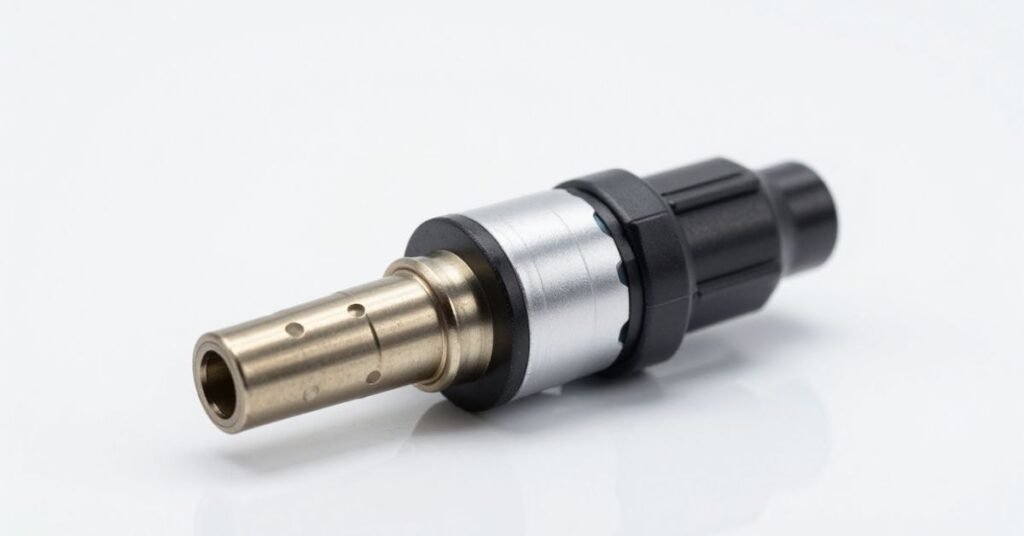
You can choose between genuine BMW sensors and high-quality aftermarket options. Genuine parts offer an exact fit and reliable performance. Good aftermarket brands can also work well if they meet OEM specifications.
Always check the part number before buying a new sensor. If you are unsure, use your vehicle’s VIN or ask a trusted parts supplier. Choosing the right sensor helps prevent installation problems and keeps your BMW running smoothly.
Maintenance Tips
Regular engine maintenance helps your BMW oxygen sensor last longer. Change the engine oil and air filter on time. A well-maintained engine produces cleaner exhaust, which reduces stress on the sensor.
Fix engine problems as soon as they appear. Oil leaks, coolant leaks, and misfires can damage the oxygen sensor over time. Repairing these issues early helps protect both the sensor and the catalytic converter.
Scan your BMW for fault codes if the check engine light comes on. Replace a worn oxygen sensor before it causes bigger problems. Simple maintenance can improve fuel economy, reduce emissions, and keep your BMW running smoothly.
Common Mistakes to Avoid
Many drivers ignore the check engine light for too long. This can allow a faulty oxygen sensor to cause bigger engine problems. It is best to diagnose the issue as soon as the warning light appears.
Another common mistake is installing the wrong oxygen sensor. Not every sensor fits every BMW model. Always check the part number and vehicle compatibility before buying a replacement.
Some people replace the sensor without finding the real cause of the problem. Oil leaks, exhaust leaks, or engine misfires can damage a new sensor quickly. Fix these issues first to help the new sensor last longer.
Conclusion
A BMW oxygen sensor is a small part that has a big impact on engine performance, fuel economy, and emissions. Knowing the signs of a failing sensor can help you fix problems early. Regular maintenance and timely replacement can keep your BMW running smoothly.
Choosing the correct sensor and installing it properly are also important. Paying attention to warning signs can help you avoid expensive repairs later. With proper care, your BMW will perform better and stay reliable for years to come.
FAQs
1. How often should a BMW oxygen sensor be replaced?
Most BMW oxygen sensors can last between 60,000 and 100,000 miles, depending on the model and driving conditions.
2. Can I drive with a bad BMW oxygen sensor?
Yes, but it is not recommended. A faulty sensor can reduce fuel economy, increase emissions, and damage the catalytic converter.
3. How do I know if my BMW oxygen sensor is bad?
Common signs include a check engine light, poor fuel economy, rough idling, and reduced engine performance.
4. How much does it cost to replace a BMW oxygen sensor?
The total cost depends on your BMW model, the type of sensor, and labor charges. Genuine parts usually cost more than aftermarket options.
5. Can I replace a BMW oxygen sensor myself?
Yes, if you have the right tools and basic mechanical knowledge. However, professional installation is recommended if the sensor is difficult to access.