BMW transmission fluid is a special lubricant used inside the transmission system of a BMW vehicle. It helps gears shift smoothly and reduces friction between moving parts. It also helps control heat and protects the transmission from wear over time.
Many BMW owners focus on engine oil but often overlook transmission fluid. However, old or contaminated fluid can affect shifting performance and lead to expensive repairs. Keeping the transmission fluid in good condition can make a big difference in how your BMW drives.
In this guide, you will learn about the different types of BMW transmission fluid, their benefits, and replacement costs. You will also discover when to change the fluid and how proper maintenance can help extend the life of your transmission.
BMW Transmission Fluid Technology
BMW transmission fluid technology has improved significantly over the years. Modern transmission fluids are designed to handle higher temperatures and increased performance demands. They help the transmission operate smoothly under different driving conditions.
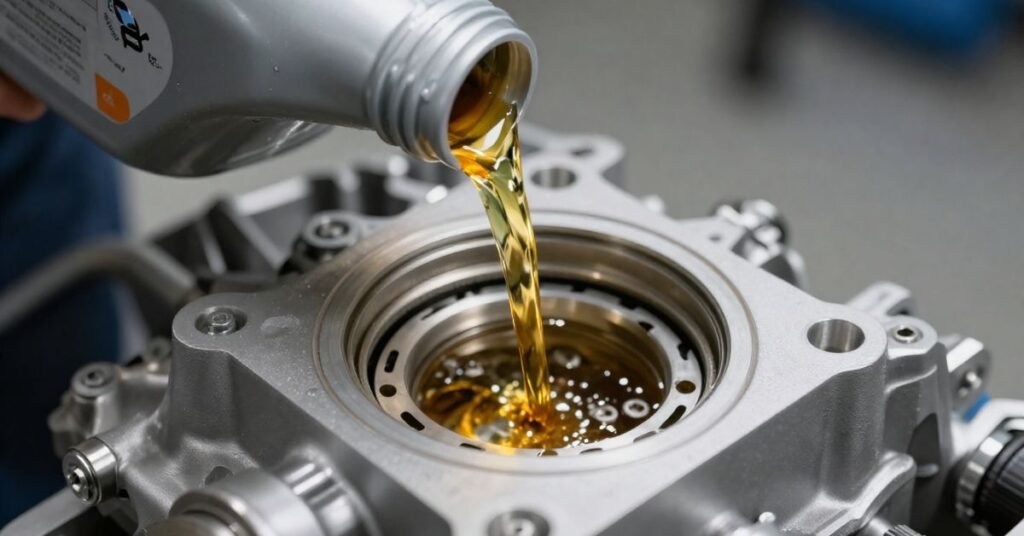
BMW uses advanced synthetic fluids in many of its automatic transmissions. These fluids provide better lubrication and reduce wear on internal components. They also help maintain consistent performance during long drives and heavy traffic.
In addition, modern BMW transmission fluids contain special additives. These additives help prevent corrosion, reduce friction, and keep the transmission clean. As a result, the transmission can last longer and deliver smoother gear changes throughout its life.
BMW Transmission Fluid Types
BMW uses different transmission fluids depending on the transmission design and model year. Therefore, owners should always use the fluid specified for their vehicle. Modern BMW models often use fully synthetic automatic transmission fluid because it provides better lubrication, heat resistance, and long-term performance.
In addition, BMW manual transmissions, dual-clutch transmissions (DCT), and automatic transmissions require different fluid formulations. Using the wrong fluid can affect shift quality and increase wear. As a result, checking the correct specification before servicing the transmission is very important.
| BMW Transmission Type | Common BMW Models (Germany & USA) | Typical Fluid Type | Key Benefits |
| 5-Speed Automatic (ZF 5HP) | E39, E46, E38 | ATF Dexron III or approved equivalent | Smooth shifting and component protection |
| 6-Speed Automatic (ZF 6HP) | E60, E90, E70, E65 | ZF Lifeguard 6 | Improved shift quality and heat resistance |
| 8-Speed Automatic (ZF 8HP) | F30, G20, G30, X3, X5 | ZF Lifeguard 8 | Excellent efficiency and durability |
| GM Automatic Transmission | Selected E46, E39, E53 models | Approved GM-spec ATF | Reliable operation and wear protection |
| 6-Speed Manual Transmission | E90, F30, F10 | BMW MTF-LT Series | Smooth gear engagement |
| 5-Speed Manual Transmission | E36, E46, Z3 | BMW Manual Transmission Fluid | Reduced gear wear |
| 7-Speed DCT (Dual-Clutch) | M3 E92, M4 F82, M5 F10 | BMW DCT Fluid | Fast and precise gear changes |
| M-DCT Transmission | BMW M Performance Models | BMW M DCT Fluid | High-temperature protection |
| Steptronic Automatic | Most modern BMW models | BMW-approved ATF | Comfortable and efficient shifting |
| xDrive Automatic Models | X1, X3, X5, X7 | Transmission-specific ATF | Consistent performance under varying loads |
| Hybrid Transmission Systems | 330e, 530e, X5 xDrive50e | BMW-approved hybrid transmission fluid | Supports electric and gasoline operation |
| Latest 8HP Generation | G20, G22, G70, X5 G05 | ZF Lifeguard 8 or approved equivalent | Improved fuel efficiency and smooth operation |
How BMW Transmission Fluid Works
BMW transmission fluid lubricates the moving parts inside the transmission. It creates a protective layer between gears, bearings, and other components. As a result, it reduces friction and helps prevent excessive wear.
In automatic transmissions, the fluid also transfers hydraulic pressure. This pressure allows the transmission to change gears smoothly and at the correct time. In addition, the fluid helps the torque converter operate efficiently, which improves driving comfort and performance.
BMW transmission fluid also removes heat from the transmission. As the fluid circulates, it carries heat away from critical components and helps maintain stable operating temperatures. Therefore, clean and properly maintained fluid supports smoother shifting, better efficiency, and a longer transmission life.
BMW Transmission Fluid Service Intervals
BMW has often described transmission fluid as a “lifetime” fluid in many models sold in Germany and the USA. However, many transmission specialists and manufacturers recommend changing the fluid periodically. Therefore, regular service can help maintain smooth shifting and reduce long-term wear.
For most BMW models with automatic transmissions, owners commonly replace the transmission fluid and filter every 60,000 to 100,000 km (40,000 to 60,000 miles). However, the ideal interval depends on the transmission type, driving conditions, and vehicle age. Heavy traffic, towing, and spirited driving can shorten the fluid’s lifespan.
In addition, BMW M models and vehicles with dual-clutch transmissions may require closer attention because they operate under higher loads. Fresh fluid helps maintain proper lubrication and cooling. As a result, following a preventive maintenance schedule can improve transmission performance and extend component life.
Signs of Worn Transmission Fluid
Worn transmission fluid can cause noticeable changes in the way a BMW drives. One common sign is delayed or rough gear shifts. In addition, the transmission may hesitate when changing gears or feel less responsive during acceleration.
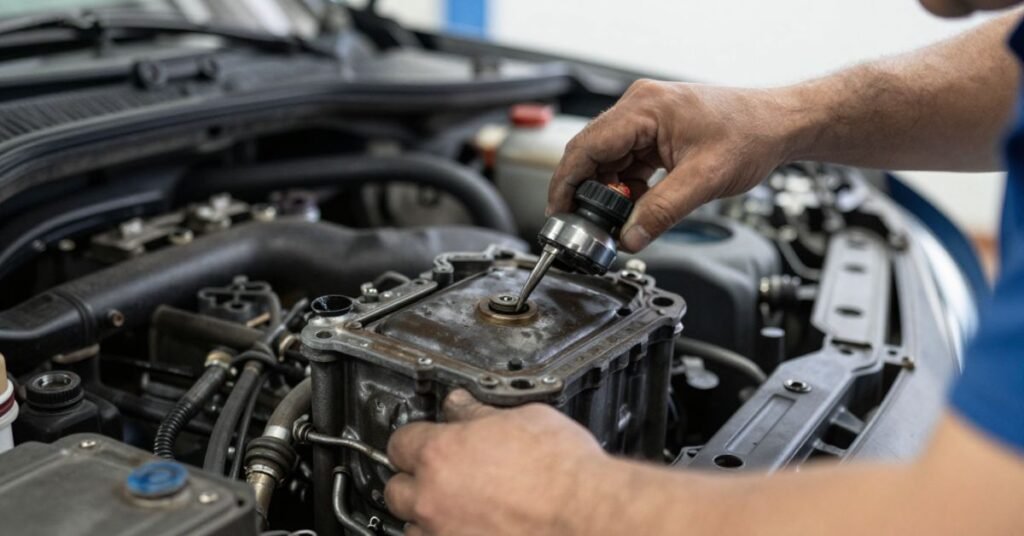
As transmission fluid ages, it loses its ability to lubricate and cool internal components. Consequently, the transmission may run hotter than normal. Drivers may also notice unusual noises, such as whining, humming, or grinding sounds while driving.
The condition of the fluid can also reveal potential problems. Healthy transmission fluid usually appears clean and red or amber in color. However, worn fluid often looks dark and may have a burnt smell. Therefore, checking the fluid condition regularly can help identify issues before they become
Checking BMW Transmission Fluid
Checking BMW transmission fluid can be more difficult than checking engine oil. Many modern BMW models do not have a traditional transmission dipstick. Instead, technicians check the fluid level through a fill plug while the transmission is at a specific operating temperature.
First, park the vehicle on a level surface and allow the transmission to reach the correct temperature range. Then, inspect the fluid level according to BMW service procedures. Using the correct method is important because an incorrect fluid level can affect transmission performance.
In addition, check the fluid’s color and condition. Clean transmission fluid usually appears clear and red, amber, or light brown, depending on the type. However, dark fluid, a burnt smell, or visible debris may indicate that the fluid needs replacement. Therefore, regular inspections can help identify problems before they become expensive repairs.
Common Fluid-Related Transmission Issues
Old or contaminated transmission fluid can cause several transmission problems. As the fluid breaks down, it loses its ability to lubricate and protect internal components. As a result, the transmission may shift roughly or respond more slowly than normal.
Low transmission fluid levels can also create issues. When the transmission does not receive enough fluid, it may slip between gears or hesitate during acceleration. In addition, low fluid can increase heat inside the transmission and accelerate component wear.
Using the wrong transmission fluid can cause similar problems. Different BMW transmissions require specific fluid formulations for proper operation. Therefore, incorrect fluid may lead to hard shifts, unusual noises, reduced efficiency, and premature transmission damage. Regular maintenance helps prevent many of these issues.
Choosing the Right BMW Transmission Fluid
Choosing the correct transmission fluid is very important for any BMW. Different transmissions use different fluid specifications. Therefore, owners should always check the vehicle manual or BMW service information before purchasing fluid.
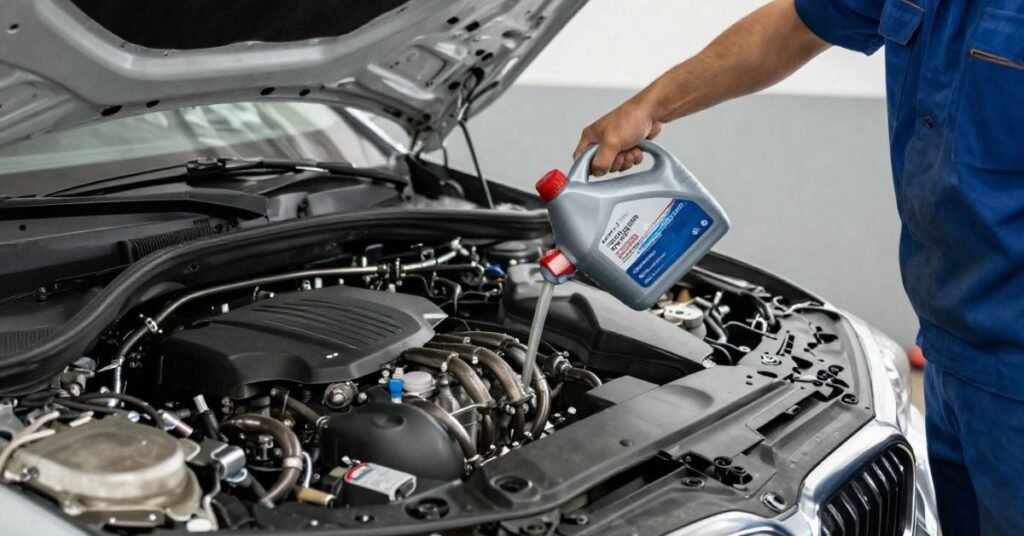
Many BMW models in Germany and the USA use ZF automatic transmissions. These transmissions often require fluids such as ZF Lifeguard 6 or ZF Lifeguard 8. Meanwhile, BMW manual transmissions and DCT transmissions use different fluids that are specifically designed for their operating requirements.
Using the correct fluid helps ensure smooth gear changes and proper lubrication. In addition, it protects internal components from excessive wear and overheating. As a result, the transmission can perform better and last longer with the right maintenance.
BMW Transmission Fluid Costs and Maintenance
BMW transmission fluid service costs vary by model, transmission type, and location. In Germany, a transmission fluid and filter service typically costs between €300 and €800. In the USA, the same service usually costs between $350 and $900. However, high-performance BMW M models and larger vehicles may cost more.
Regular maintenance helps reduce the risk of expensive transmission repairs. Most services include replacing the transmission fluid, changing the filter, and installing a new oil pan gasket if required. In addition, technicians often inspect the transmission for leaks and signs of wear during the service.
Owners can lower long-term ownership costs by following recommended service intervals. Fresh fluid helps maintain smooth shifting and proper cooling. As a result, the transmission can operate more efficiently and last longer, which may help avoid repairs that can cost several thousand euros or dollars.
Conclusion
BMW transmission fluid plays a vital role in transmission performance and durability. It lubricates moving parts, helps control heat, and supports smooth gear changes. Therefore, using the correct fluid and maintaining it properly can help keep the transmission in good condition.
Regular inspections and timely fluid changes can prevent many common transmission problems. In addition, proper maintenance can reduce long-term repair costs and improve driving comfort. As a result, BMW owners in Germany and the USA can enjoy reliable performance and a longer transmission lifespan.
FAQs
1. How often should I change BMW transmission fluid?
Most BMW specialists recommend changing the fluid every 60,000 to 100,000 km (40,000 to 60,000 miles), depending on the model and driving conditions.
2. Can I use any transmission fluid in my BMW?
No. BMW transmissions require specific fluid specifications. Always use the fluid approved for your transmission type.
3. What are the signs of bad BMW transmission fluid?
Common signs include rough shifting, delayed gear engagement, transmission slipping, unusual noises, and a burnt fluid smell.
4. How much does a BMW transmission fluid service cost?
In Germany, it typically costs €300–€800. In the USA, it usually costs $350–$900, depending on the model and transmission.
5. Does changing transmission fluid improve performance?
Yes. Fresh transmission fluid can improve shift quality, reduce wear, enhance cooling, and help extend transmission life.