BMW engine oil is a special lubricant made for BMW engines. It reduces friction between moving parts. It also keeps the engine clean and cool. This oil helps the engine run smoothly and last longer.
But what happens if you use the wrong oil? Your car may lose performance. The engine can wear out faster. Fuel efficiency may also drop. So, choosing the right oil is very important.
In this guide, you will learn everything about BMW engine oil. We will cover types, grades, and change intervals. You will also find simple tips to keep your engine in good condition.
BMW Engine Oil Guide
BMW engine oil keeps the engine running smoothly. It reduces friction between parts. It also protects the engine from wear and heat. Clean oil helps improve performance and engine life.
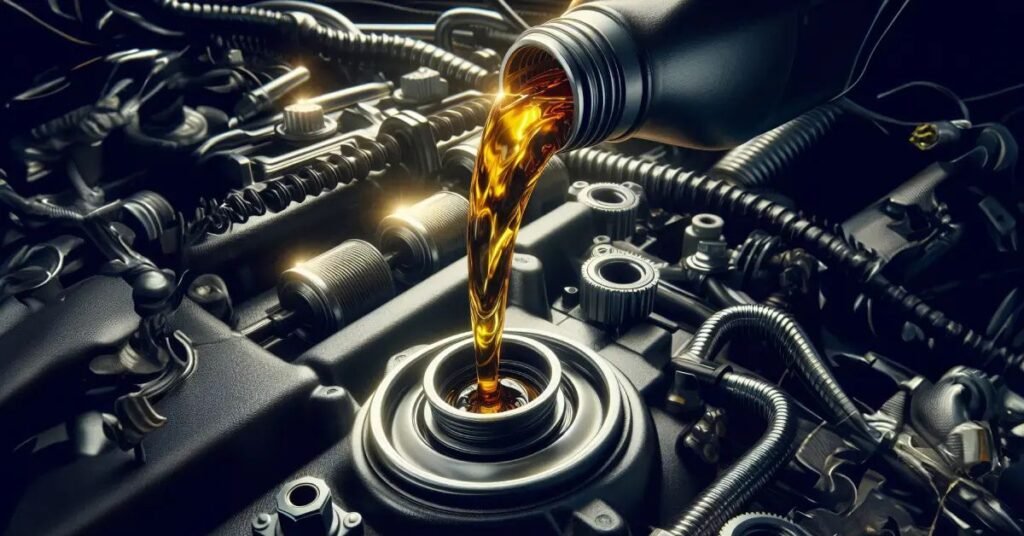
There are different types of oil for BMW cars. Some are synthetic, and some are semi-synthetic. Each type has its own benefits. The right choice depends on your BMW model and driving style.
Regular oil changes are very important. Old oil becomes dirty and less effective. This can harm the engine over time. So, always check your oil level and change it on time.
Importance of Engine Oil
Engine oil plays a key role in keeping your car healthy. It reduces friction between moving parts. This helps the engine run smoothly. It also prevents damage from constant use.
Oil also helps control engine temperature. It carries heat away from hot parts. This keeps the engine from overheating. Clean oil also removes dirt and small particles.
Without proper oil, the engine can wear out quickly. Parts may get damaged over time. Performance can drop, and fuel use may increase. So, regular oil care is very important.
Oil Types for BMW
BMW vehicles use different engine oils depending on the engine, model year, and market. Modern BMW engines commonly use fully synthetic oil that meets the specific BMW-approved oil specification. Older models may require different oil formulations, so the correct specification should always be checked before an oil change.
The right oil depends on the engine and the manufacturer’s requirements rather than simply choosing an oil based on its type. Viscosity grades such as 0W-20, 0W-30, and 5W-30 may be used in different BMW engines, but the required grade and approval can vary. High-mileage oils may also be considered for older engines when appropriate, but they are not automatically required.
| Oil Type | Description | Typical Use | Key Benefit |
|---|---|---|---|
| Fully Synthetic | High-performance oil formulated for modern engines | Many modern BMW models | Strong lubrication and temperature stability |
| Synthetic Blend | Mix of synthetic and conventional base oils | Selected applications | Balance of performance and cost |
| High-Mileage Oil | Formulated for engines with higher mileage | Some older or higher-mileage engines | Helps support aging seals and engine components |
| BMW-Approved Oil | Oil that meets a specified BMW approval standard | Applications requiring that approval | Matches the manufacturer’s lubrication requirements |
Oil change intervals should not be assigned solely by oil type. Always follow the maintenance schedule for your specific BMW and use an oil that meets the required BMW specification.
Oil Grades Explained
Oil grades tell you how thick or thin the oil is. They are written like 5W-30 or 10W-40. The first number shows how the oil flows in cold weather. The “W” stands for winter. A lower number means better flow at cold starts.
The second number shows how the oil behaves at high temperatures. A higher number means thicker oil when the engine is hot. This helps protect engine parts under heavy use. It also keeps the engine stable during long drives.
Choosing the right oil grade is very important. BMW engines need specific grades for best performance. Using the wrong grade can affect efficiency and engine life. Always check your car manual before selecting oil.
BMW Motor Oil
BMW motor oil is very important for engine health. It keeps the engine parts moving smoothly. It also reduces friction and heat. Good oil helps the engine last longer. BMW recommends high-quality synthetic oil for the best performance.
Using the right motor oil improves fuel efficiency. It also protects the engine from dirt and damage. BMW engines are advanced, so they need special oil. Always check the oil grade in your car manual. Common grades include 5W-30 or 0W-20.
Regular oil changes are very important. Old oil becomes dirty and less effective. This can harm the engine over time. It is best to change the oil after every 8,000 to 10,000 kilometers. Keeping fresh oil in your BMW ensures smooth driving and better performance.
Choosing the Right Oil
Choosing the right oil is important for your BMW. It helps the engine run smoothly. It also protects parts from damage. The wrong oil can reduce performance.
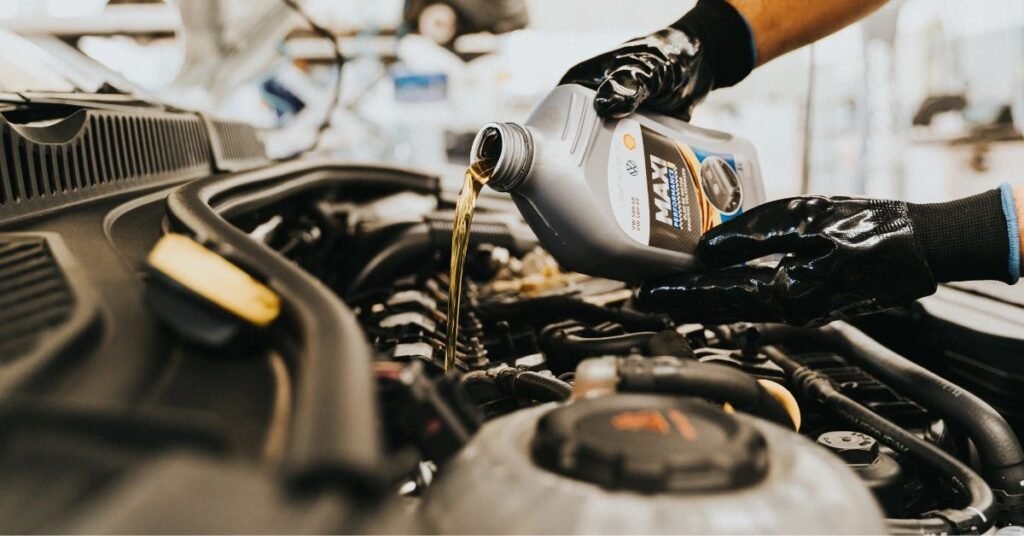
Always check your car manual first. It tells you the correct oil type and grade. Different BMW models need different oils. You should also look for approved oil standards.
Think about your driving style and climate. Hot weather may need thicker oil. Cold weather needs oil that flows easily. Good quality oil will improve engine life and performance.
Oil Change Interval
BMW engine oil change intervals depend on the model, engine, oil specification, driving conditions, and maintenance schedule. Modern BMW vehicles may allow longer intervals between oil changes, but regular oil checks are still important.
Frequent short trips, heavy traffic, high engine loads, and demanding driving conditions can increase the need for more frequent oil service. Therefore, drivers should follow the maintenance schedule recommended for their specific BMW rather than using one fixed interval for every model.
Changing the oil at the recommended time helps maintain proper lubrication and protects important engine components. Always use engine oil that meets the specification approved for your BMW, and check the owner’s manual or service information for the correct maintenance interval.
Signs to Change Oil
There are some clear signs that your BMW needs an oil change. The engine may sound louder than normal. You may also notice reduced performance. These are early warning signs.
Another sign is dirty or dark engine oil. Clean oil is usually light in color. If it looks thick or black, it is time to change it. The oil warning light may also turn on.
You might also notice lower fuel efficiency. The car may not run as smoothly as before. Ignoring these signs can harm the engine. So, always check oil regularly.
How to Change Oil
Changing engine oil in a BMW is a simple process. First, lift the car safely and open the oil drain plug. Let the old oil flow out completely. Make sure the engine is slightly warm for better drainage.
Next, replace the oil filter with a new one. This helps keep the new oil clean. Then close the drain plug tightly. After that, add the correct type and amount of new oil.
Finally, start the engine for a few minutes. Check for any leaks around the filter and plug. Also, check the oil level using the dipstick or system. This ensures everything is working properly.
Common Mistakes
Many BMW owners make mistakes during oil maintenance. One common mistake is using the wrong oil type. This can reduce engine performance. It may also cause long-term damage.

Another mistake is ignoring oil change schedules. Old oil loses its power over time. Some people delay changes to save money. But this can lead to costly repairs later.
Overfilling or underfilling oil is also a problem. Too much or too little oil affects engine health. Always check the correct level before driving. Careful attention helps avoid engine issues.
Benefits of Good Oil
Good engine oil keeps your BMW engine clean and smooth. It reduces friction between moving parts. This helps the engine run quietly and efficiently. It also improves overall performance.
High-quality oil protects the engine from heat and wear. It works well in both hot and cold weather. This helps prevent damage during long drives. As a result, the engine lasts longer.
Good oil also improves fuel efficiency. The engine does not have to work as hard. This saves fuel and money over time. Regular use of good oil keeps your BMW in top condition.
Oil Capacity Guide
Oil capacity means how much engine oil your BMW needs. Every BMW model has a different oil capacity. Small engines need less oil. Bigger engines need more oil to run properly.
Most BMW cars need between 4 and 7 liters of oil. The exact amount depends on the engine size. You should always check your car manual. It gives the correct oil capacity for your model.
Using the right amount of oil is very important. Too little oil can damage the engine. Too much oil can also cause problems. Always fill oil carefully for safe engine performance.
BMW Oil Change Cost
The BMW oil change cost can vary depending on the model. On average, it is more expensive than regular cars. This is because BMW uses high-quality oil and filters. Labor charges also add to the total cost.
In most cases, an oil change can cost between $100 and $250. High-performance or M series models may cost more. Prices can also change based on location and service center. Dealerships are usually more expensive than local workshops.
Even though the cost is higher, it is worth it. Good oil keeps the engine safe and smooth. Regular oil changes help avoid bigger repair costs later. This makes it a smart long-term investment.
Final Thoughts
Taking care of engine oil is very important for BMW cars. It keeps the engine clean and smooth. It also improves performance and engine life. Regular oil checks should not be ignored.
Using the right oil and changing it on time makes a big difference. It helps avoid engine damage and costly repairs. Good maintenance also improves fuel efficiency. This keeps your driving experience better.
Overall, simple oil care brings long-term benefits. It protects your BMW engine in every condition. Always follow the recommended guidelines. This will keep your car in top shape for years.
Conclusion
In conclusion, BMW engine oil plays a very important role in engine health. It keeps the engine smooth, clean, and protected from wear. Regular oil checks and timely changes help maintain strong performance.
Overall, using the right oil and following the correct schedule can save money and prevent damage. It also improves fuel efficiency and driving comfort. Good oil care keeps your BMW running at its best for a long time.
FAQs
1. Why is BMW engine oil important?
It keeps the engine parts lubricated, reduces friction, and helps the engine run smoothly and efficiently.
2. Which oil grade is used in BMW cars?
BMW usually recommends specific synthetic oil grades like 5W-30 or 0W-40, depending on the model.
3. Can I mix different engine oils?
It is not recommended because mixing oils can reduce performance and affect engine protection.
4. What is the best oil for BMW performance?
High-quality, fully synthetic oil approved by BMW standards gives the best performance and protection.
5. Does engine oil affect fuel consumption?
Yes, good engine oil improves efficiency, while old or wrong oil can increase fuel usage.