A BMW fuel pump moves fuel from the tank to the engine. It supplies the right amount of fuel at the correct pressure, which helps the engine start easily and run smoothly. Without a properly working fuel pump, your BMW can lose power, hesitate, or fail to start.
Many drivers do not notice fuel pump problems until their car begins to stall or struggle during acceleration. However, recognizing the warning signs early can help you avoid expensive repairs and unexpected breakdowns. Therefore, learning about this important component can save both time and money.
This guide explains how a BMW fuel pump works, the most common signs of failure, and the reasons it can stop working. In addition, you will learn about replacement costs, OEM and aftermarket options, maintenance tips, and fuel pump information for different BMW models.
BMW Fuel Pump Components
A BMW fuel pump consists of several important parts that work together. The electric motor powers the pump and moves fuel from the tank. The pump housing protects the internal components. In addition, the fuel inlet allows fuel to enter the pump smoothly.
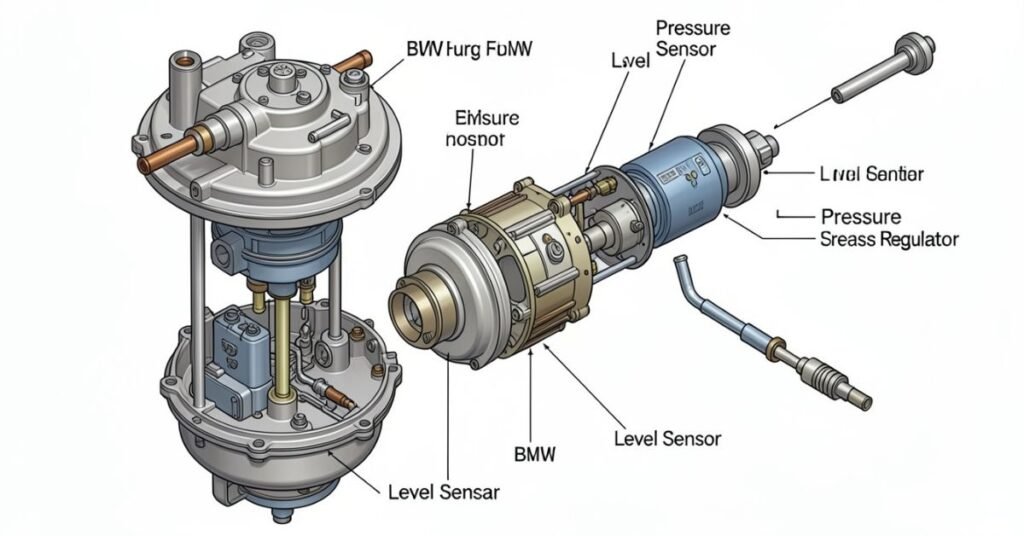
The fuel strainer is another key component. It filters dirt and debris before they reach the pump. The pressure regulator helps maintain the correct fuel pressure in many fuel systems. Some BMW models also include a fuel level sensor as part of the fuel pump assembly.
Each component plays an important role in fuel delivery. If one part becomes damaged or clogged, the entire fuel system can be affected. Therefore, inspect the fuel pump assembly during maintenance or replacement. Replacing worn components on time helps keep your BMW running smoothly.
BMW Fuel Pump Function
A BMW fuel pump moves fuel from the fuel tank to the engine. It delivers fuel at the correct pressure so the engine can run properly. As a result, the engine starts easily and provides smooth performance. Most modern BMW models use an electric fuel pump that sits inside the fuel tank.
The fuel pump works with other parts of the fuel system. It sends fuel through the fuel lines and fuel filter before it reaches the fuel injectors. Then, the injectors spray the right amount of fuel into the engine. This process helps improve power, fuel efficiency, and engine response.
A properly working fuel pump keeps the engine running under different driving conditions. It supplies enough fuel during idling, city driving, and high-speed acceleration. However, if the pump cannot maintain the correct fuel pressure, the engine may lose power, hesitate, or stop running. Therefore, keeping the fuel pump in good condition is important for reliable BMW performance.
Signs of a Bad BMW Fuel Pump
A failing BMW fuel pump often gives clear warning signs. The engine may take longer than usual to start or may not start at all. You may also notice rough idling or engine misfires. In some cases, the check engine light may turn on.
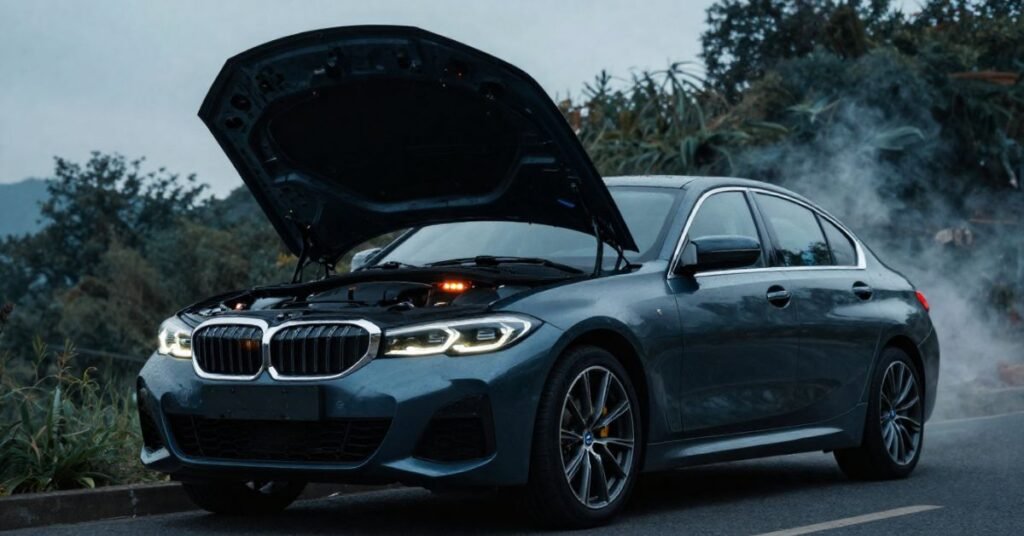
Your BMW may also lose power while driving. It can hesitate during acceleration or feel slow to respond when you press the gas pedal. Sometimes, the engine may stall without warning, especially at low speeds or when climbing hills. These problems usually happen because the engine is not getting enough fuel.
A bad fuel pump can also reduce fuel efficiency and overall performance. You may hear a loud whining noise coming from the fuel tank, which often means the pump is wearing out. If you notice one or more of these signs, inspect the fuel system as soon as possible. Early diagnosis can prevent more serious engine problems and costly repairs.
Common BMW Fuel Pump Problems
BMW fuel pumps can develop problems over time due to normal wear. One common issue is low fuel pressure. When this happens, the engine does not receive enough fuel. As a result, your BMW may run poorly or fail to start.
Another common problem is a worn or damaged electric motor inside the fuel pump. The motor can become weak after years of use. In addition, a clogged fuel filter can force the pump to work harder than normal. This extra strain can shorten the pump’s lifespan.
Electrical problems can also affect the fuel pump. A faulty relay, blown fuse, or damaged wiring may stop the pump from working. Sometimes, dirt or debris inside the fuel tank can block the pump and reduce fuel flow. Therefore, regular maintenance and timely inspections can help prevent many fuel pump problems.
Causes of BMW Fuel Pump Failure
Several factors can cause a BMW fuel pump to fail. Normal wear is the most common reason. Over time, the internal motor and moving parts become weak. As a result, the pump cannot deliver fuel at the correct pressure.
Driving with a nearly empty fuel tank can also damage the fuel pump. The fuel cools and lubricates the pump while it operates. When the fuel level stays too low, the pump can overheat and wear out faster. In addition, contaminated fuel or dirt inside the tank can clog the pump and reduce fuel flow.
Electrical faults are another common cause of fuel pump failure. A bad relay, blown fuse, damaged wiring, or poor electrical connection can stop the pump from working. Furthermore, a clogged fuel filter can force the pump to work harder than normal. Regular maintenance can help prevent many of these problems.
OEM vs Aftermarket BMW Fuel Pump
OEM (Original Equipment Manufacturer) fuel pumps match the original part that came with your BMW. They offer reliable performance, the correct fit, and long service life. However, they usually cost more than aftermarket options. In contrast, aftermarket fuel pumps come from third-party manufacturers. They are often more affordable, but their quality can vary depending on the brand.
When choosing a fuel pump, compare quality, warranty, and compatibility with your BMW model. A high-quality aftermarket pump can work well, while a low-quality one may not last as long. Therefore, always buy from a trusted brand or supplier.
- Choose an OEM fuel pump if you want:
- Original fit and performance
- High reliability
- Longer service life
- Choose an aftermarket fuel pump if you want:
- A lower purchase price
- More brand options
- A quality replacement from a trusted manufacturer
How to Test a BMW Fuel Pump
Start by turning the ignition key to the “On” position without starting the engine. Listen for a soft humming sound from the fuel tank. This sound usually means the fuel pump is running. If you do not hear anything, the pump or its electrical system may have a problem.
Next, check the fuel pressure with a fuel pressure gauge. Compare the reading with the specification for your BMW model. Low or unstable pressure may indicate a weak or failing fuel pump. In addition, inspect the fuel pump fuse, relay, and wiring for any signs of damage or loose connections.
If the fuel pressure is correct but the engine still runs poorly, inspect the fuel filter and fuel injectors. A clogged filter can reduce fuel flow and cause similar symptoms. Therefore, test the entire fuel system before replacing the fuel pump. This approach helps identify the real cause of the problem and avoids unnecessary repairs.
BMW Fuel Pump Replacement
Replace the BMW fuel pump when it no longer delivers the correct fuel pressure or stops working completely. Common signs include hard starting, engine stalling, poor acceleration, and loss of power. Before replacing the pump, confirm the fault by testing the fuel pressure and checking the electrical system.
The replacement process usually starts by disconnecting the battery and relieving the fuel system pressure. Next, remove the fuel pump access cover or lower the fuel tank, depending on the BMW model. Then, disconnect the fuel lines and electrical connector before removing the old pump. Install the new fuel pump, reconnect all parts, and check for fuel leaks.
After the installation, start the engine and make sure it runs smoothly. Test-drive the vehicle to confirm that the fuel system works correctly. In addition, replace any worn seals or gaskets during the repair. Using a high-quality replacement fuel pump can improve reliability and help prevent future problems.
BMW Fuel Pump Replacement Cost
The cost of replacing a BMW fuel pump depends on the model, engine, and type of fuel pump. OEM fuel pumps usually cost more than aftermarket options. In addition, labor charges vary between repair shops and dealerships.
In Germany, the total replacement cost typically ranges from €400 to €1,000. In the USA, most owners can expect to pay $450 to $1,100, including parts and labor. Luxury or high-performance BMW models may cost even more because they use more complex fuel systems.
You can reduce repair costs by comparing quotes from trusted repair shops. However, do not choose the cheapest option without checking the quality of the replacement part. A reliable fuel pump can last longer and provide better performance. Therefore, investing in a quality part often saves money over time.
BMW Models and Fuel Pump Types
BMW uses different fuel pump systems across its vehicle lineup. Most modern gasoline models use an electric in-tank fuel pump. Many turbocharged engines also include a high-pressure fuel pump (HPFP). These two pumps work together to supply fuel at the correct pressure.
Older BMW models often use a simple electric fuel pump inside the fuel tank. In contrast, newer models with direct fuel injection rely on both a low-pressure fuel pump and a high-pressure fuel pump. Popular engines such as the B48, B58, N20, N55, and S58 use this dual-pump setup to improve performance and fuel efficiency.
Fuel pump specifications can vary by model, engine, and production year. Therefore, always check your BMW’s VIN or owner’s manual before buying a replacement pump. Choosing the correct fuel pump ensures proper fit, reliable operation, and long service life.
Types of BMW Fuel Pumps
BMW uses different types of fuel pumps based on the engine and fuel system. Most modern BMW vehicles have an electric in-tank fuel pump that sends fuel from the tank to the engine. Many turbocharged and direct-injection engines also use a high-pressure fuel pump (HPFP). Together, these pumps deliver the correct amount of fuel for smooth performance and better fuel efficiency.
The type of fuel pump depends on the BMW model, engine, and production year. Older models usually have a single electric fuel pump, while newer models often use both a low-pressure and a high-pressure fuel pump. Therefore, always check your BMW’s specifications before buying a replacement part.
Comparison Table
| BMW Fuel Pump Type | Main Function | Common Applications | Typical Location | Advantages |
| Electric In-Tank Fuel Pump | Delivers fuel from the tank to the engine | Most modern BMW gasoline models | Inside the fuel tank | Quiet operation, reliable fuel delivery |
| High-Pressure Fuel Pump (HPFP) | Increases fuel pressure for direct injection | B48, B58, N20, N55, S58, and other direct-injection engines | Mounted on the engine | Better performance and fuel efficiency |
| Low-Pressure Fuel Pump (LPFP) | Supplies fuel from the tank to the HPFP | Turbocharged direct-injection BMW models | Inside the fuel tank | Provides a steady fuel supply |
| Mechanical Fuel Pump | Pumps fuel using engine movement | Older classic BMW models | Mounted on the engine | Simple design and easy maintenance |
| Inline Electric Fuel Pump | Pushes fuel through external fuel lines | Some older BMW models and aftermarket systems | Outside the fuel tank | Easy to replace and service |
| Dual Fuel Pump System | Uses both LPFP and HPFP together | Modern BMW turbocharged models | Fuel tank and engine | Supports high fuel demand and improved engine response |
| Performance Fuel Pump | Delivers higher fuel volume | Modified and high-performance BMW vehicles | Depends on the setup | Supports increased horsepower |
| Aftermarket High-Flow Fuel Pump | Provides extra fuel for tuned engines | Racing and performance builds | Tank or external mount | Ideal for upgraded fuel systems |
BMW Fuel Pump Maintenance Tips
Keep enough fuel in the tank to protect the fuel pump. Avoid driving until the fuel level is almost empty. The fuel helps cool and lubricate the pump while it operates. As a result, the pump can last longer and perform better.
Use high-quality fuel from trusted fuel stations. Replace the fuel filter at the recommended interval if your BMW model has a serviceable filter. In addition, inspect the fuel system during regular maintenance. Clean fuel and a healthy fuel system reduce stress on the pump.
Pay attention to early warning signs such as hard starting, poor acceleration, engine stalling, or unusual noises from the fuel tank. Fix these problems as soon as possible to prevent further damage. Furthermore, follow your BMW maintenance schedule and use quality replacement parts whenever repairs are needed. These simple steps can help extend the life of your fuel pump.
How to Choose the Right BMW Fuel Pump
Choose a fuel pump that matches your BMW model, engine, and production year. Check your vehicle’s VIN or owner’s manual before buying a replacement. This step helps you find the correct part and avoids fitting problems. A properly matched fuel pump provides reliable performance.
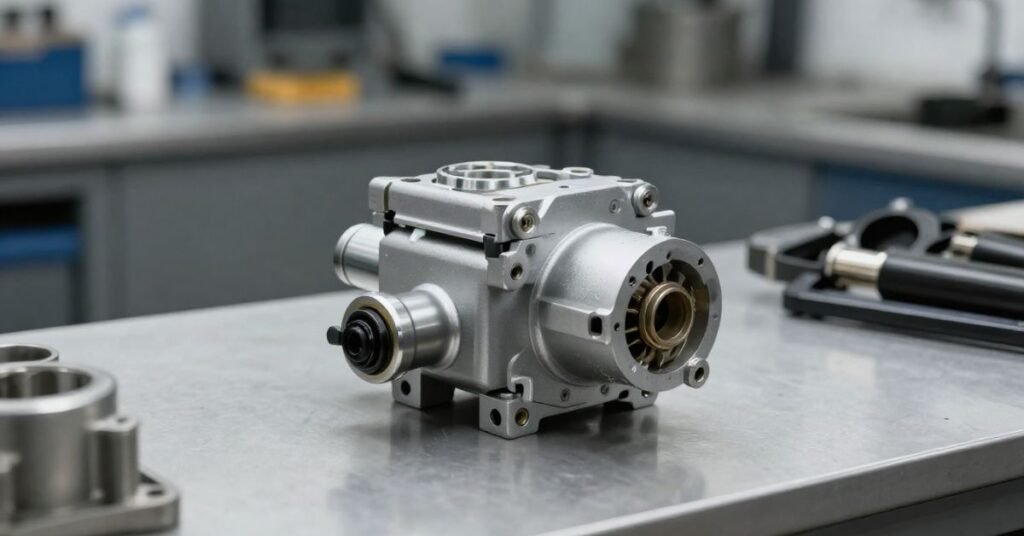
Next, decide between an OEM and an aftermarket fuel pump. OEM parts offer the original fit and quality but usually cost more. In contrast, a high-quality aftermarket pump can provide good performance at a lower price. Therefore, choose a trusted brand with a solid warranty.
Finally, buy the fuel pump from a reliable dealer or parts supplier. Read customer reviews and confirm that the part meets your BMW’s specifications. Avoid very cheap products from unknown brands because they may not last long. A quality fuel pump can improve reliability and reduce future repair costs.
Conclusion
A healthy BMW fuel pump is essential for smooth engine performance and reliable driving. It delivers fuel at the correct pressure and helps the engine run efficiently. Knowing the warning signs, common problems, and maintenance tips can help you avoid unexpected breakdowns. Regular inspections and timely repairs also extend the life of the fuel pump.
When it is time for a replacement, always choose a fuel pump that matches your BMW model and engine. Compare OEM and high-quality aftermarket options before making a decision. In addition, follow the recommended maintenance schedule to keep the fuel system in good condition. Proper care will improve performance, increase reliability, and help reduce repair costs over time.
FAQs
1. How long does a BMW fuel pump last?
A BMW fuel pump typically lasts 100,000 to 150,000 miles (160,000 to 240,000 km). Its lifespan depends on driving habits and regular maintenance.
2. What are the signs of a failing BMW fuel pump?
Common signs include hard starting, engine stalling, poor acceleration, loss of power, and a whining noise from the fuel tank.
3. Can I drive with a bad BMW fuel pump?
You can drive for a short time in some cases, but it is not recommended. A failing fuel pump can stop working without warning and leave you stranded.
4. How much does it cost to replace a BMW fuel pump?
Replacement usually costs €400–€1,000 in Germany and $450–$1,100 in the USA, depending on the BMW model and labor charges.
5. Should I choose an OEM or aftermarket BMW fuel pump?
An OEM fuel pump offers the best fit and reliability. A high-quality aftermarket fuel pump can also be a good option if it comes from a trusted brand.