BMW hybrid models combine a petrol engine with an electric motor. They are designed to improve fuel efficiency while keeping the performance BMW is known for. Some models can also drive short distances using only electric power. This helps reduce fuel use and lower emissions.
If you want a car that offers both power and better fuel economy, a BMW hybrid is worth considering. These vehicles provide smooth acceleration, advanced technology, and lower running costs than many traditional petrol models. As more drivers look for greener options, BMW hybrid cars continue to grow in popularity.
This guide covers everything you need to know about BMW hybrid models. You will learn about the different hybrid types, popular models, key features, prices, charging options, maintenance, and running costs. You will also find a comparison table and tips to help you choose the right BMW hybrid for your needs.
BMW Hybrid Powertrain
A BMW hybrid powertrain combines a petrol engine with an electric motor. Both systems work together to move the car. The electric motor helps during acceleration and low-speed driving. As a result, the engine uses less fuel and produces fewer emissions.
The powertrain changes between electric power and petrol power automatically. It selects the best option based on your speed and driving conditions. In many BMW hybrid models, the electric motor also adds extra power for smoother and faster acceleration. This makes the drive more responsive.
The battery charges through regenerative braking and, in plug-in hybrid models, from an external charger. Therefore, you can drive short distances using only electricity. The powertrain is designed to improve efficiency without reducing performance. It offers a balance of comfort, power, and lower running costs.
How BMW Hybrid Technology Works
BMW hybrid technology uses a petrol engine and an electric motor. Both systems work together to power the vehicle. The car automatically switches between them when needed. This helps improve fuel efficiency and reduce emissions.
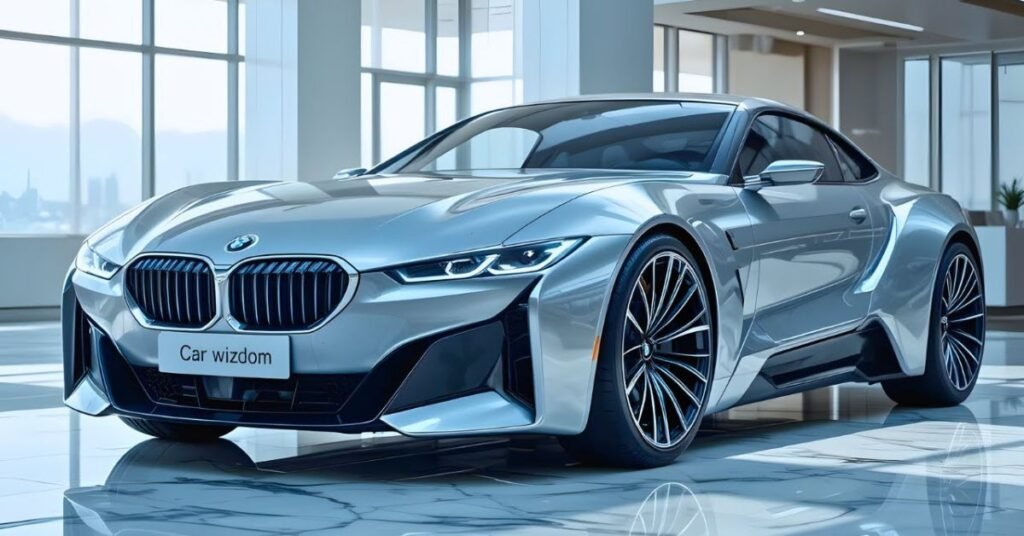
At low speeds, many BMW hybrid models can run on electric power alone. When you need more power, the petrol engine starts automatically. Both systems can also work together during acceleration. As a result, the car delivers smooth and responsive performance.
The battery charges in two ways. It gains power through regenerative braking, which stores energy during braking and slowing down. Plug-in hybrid models can also be charged with a home charger or a public charging station. Therefore, drivers can enjoy better efficiency without giving up the driving experience of a BMW.
Types of BMW Hybrid Models
BMW offers different types of hybrid vehicles to meet different driving needs. The two main types are mild hybrids and plug-in hybrids. Each system works differently but is designed to improve fuel efficiency and reduce emissions. Drivers can choose the one that best fits their daily use.
Mild hybrid models use a small electric motor to support the petrol or diesel engine. The motor helps during acceleration and improves fuel economy. However, it cannot drive the car using electricity alone. This system is simple and requires no external charging.
Plug-in BMW hybrid models have a larger battery and a more powerful electric motor. They can travel short distances using only electric power before the petrol engine takes over. The battery can be charged at home or at public charging stations. Therefore, plug-in hybrids are a good choice for drivers who want more electric driving without giving up the flexibility of a petrol engine.
Popular BMW Hybrid Models
BMW offers several hybrid models across its sedan, SUV, and luxury vehicle lineup. Popular choices include the BMW 330e, BMW 530e, BMW X3 xDrive30e, BMW X5 xDrive50e, and BMW XM. These models combine strong performance with improved fuel efficiency. As a result, they appeal to many different types of drivers.
The BMW 330e is a great option for everyday driving. The BMW 530e offers more space and extra comfort for long trips. If you need an SUV, the BMW X3 xDrive30e and BMW X5 xDrive50e provide a higher driving position and plenty of cargo space. They also offer impressive electric driving capability.
The BMW XM is the brand’s high-performance plug-in hybrid SUV. It combines a powerful V8 engine with an electric motor for outstanding performance. Meanwhile, all these BMW hybrid models include modern technology, advanced safety features, and smooth driving. Therefore, buyers can choose a model that matches their budget and lifestyle.
BMW Hybrid Models Features
BMW hybrid models come with many modern features. They offer a smooth driving experience and excellent fuel efficiency. Most models include a digital instrument cluster, a large touchscreen, and smartphone connectivity. These features make every trip more enjoyable.
Many hybrid models also include advanced driver assistance systems. Features such as adaptive cruise control, lane keeping assist, and parking assistance improve safety and convenience. In addition, regenerative braking helps recharge the battery while driving. This increases efficiency without any extra effort from the driver.
BMW also focuses on comfort and performance. Hybrid models offer quick acceleration with the help of the electric motor. Most vehicles have premium interiors, high-quality materials, and spacious cabins. Therefore, drivers enjoy both luxury and everyday practicality in one vehicle.
BMW Hybrid Models Comparison
BMW offers hybrid models in different sizes and body styles. Some are compact sedans, while others are large luxury SUVs. Each model has its own electric range, performance, and price. Therefore, comparing them helps you choose the best option for your needs.
The table below compares some of the most popular BMW hybrid models. The prices are approximate and may vary depending on the model year, trim level, and market.
| Model | Body Style | Hybrid Type | Engine | Electric Range (Approx.) | Total Power | Drivetrain | Best For | Starting Price (USD) | Starting Price (EUR) |
| BMW 330e | Sedan | Plug-in Hybrid | 2.0L Turbo I4 | Up to 35 miles (56 km) | 288 hp | RWD / AWD | Daily commuting | $46,000 | €51,000 |
| BMW 530e | Sedan | Plug-in Hybrid | 2.0L Turbo I4 | Up to 40 miles (64 km) | 295 hp | RWD / AWD | Business and family use | $59,000 | €63,000 |
| BMW X1 xDrive25e | Compact SUV | Plug-in Hybrid | 1.5L Turbo I3 | Up to 50 miles (80 km) | 245 hp | AWD | City driving | $50,000 | €49,000 |
| BMW X3 xDrive30e | Mid-Size SUV | Plug-in Hybrid | 2.0L Turbo I4 | Up to 32 miles (51 km) | 288 hp | AWD | Family travel | $58,000 | €61,000 |
| BMW X5 xDrive50e | Luxury SUV | Plug-in Hybrid | 3.0L Turbo I6 | Up to 40 miles (64 km) | 483 hp | AWD | Long-distance driving | $74,000 | €88,000 |
| BMW 750e xDrive | Luxury Sedan | Plug-in Hybrid | 3.0L Turbo I6 | Up to 48 miles (77 km) | 483 hp | AWD | Executive comfort | $108,000 | €116,000 |
| BMW M5 Hybrid | Performance Sedan | Plug-in Hybrid | 4.4L Twin-Turbo V8 | Up to 25 miles (40 km) | 717 hp | AWD | High performance | $120,000 | €145,000 |
| BMW XM | Performance SUV | Plug-in Hybrid | 4.4L Twin-Turbo V8 | Up to 30 miles (48 km) | 644 hp | AWD | Luxury performance | $160,000 | €183,000 |
Electric Range and Fuel Economy
The electric range of BMW hybrid models depends on the model and battery size. Most plug-in hybrids can travel about 30 to 50 miles (48 to 80 km) using only electric power. This is enough for many daily trips. As a result, drivers can save fuel on short journeys.
Fuel economy is better than in many petrol-only BMW models. The electric motor supports the engine during acceleration and city driving. This reduces fuel consumption and lowers emissions. However, actual fuel economy depends on driving habits, road conditions, and battery charge.
You can get the best efficiency by charging the battery regularly. Smooth acceleration and gentle braking also help save energy. In addition, regenerative braking returns power to the battery while driving. Therefore, BMW hybrid vehicles offer a good balance of performance, range, and fuel savings.
BMW Hybrid Models Price
The price of BMW hybrid models depends on the model, trim level, and features. Entry-level plug-in hybrid models usually start at around $46,000 in the USA. Larger SUVs and high-performance hybrid models can cost more than $160,000. Prices also vary by country and local taxes.
In Germany, most BMW hybrid models start at about €49,000. Premium models with larger batteries, luxury features, and more power have higher prices. Optional packages, advanced technology, and custom upgrades can also increase the final cost. Therefore, it is important to compare different models before buying.
Although the purchase price is higher than some petrol models, hybrid vehicles can reduce fuel costs over time. Many drivers also benefit from lower emissions and improved efficiency. In some regions, government incentives or tax benefits may also be available. As a result, a BMW hybrid can be a smart long-term investment.
Charging BMW Hybrid Models
Plug-in BMW hybrid models can be charged at home or at public charging stations. Most owners use a home wall charger for daily charging. You can also charge the battery using a standard household outlet, although it takes longer. Regular charging helps you get the best electric driving range.
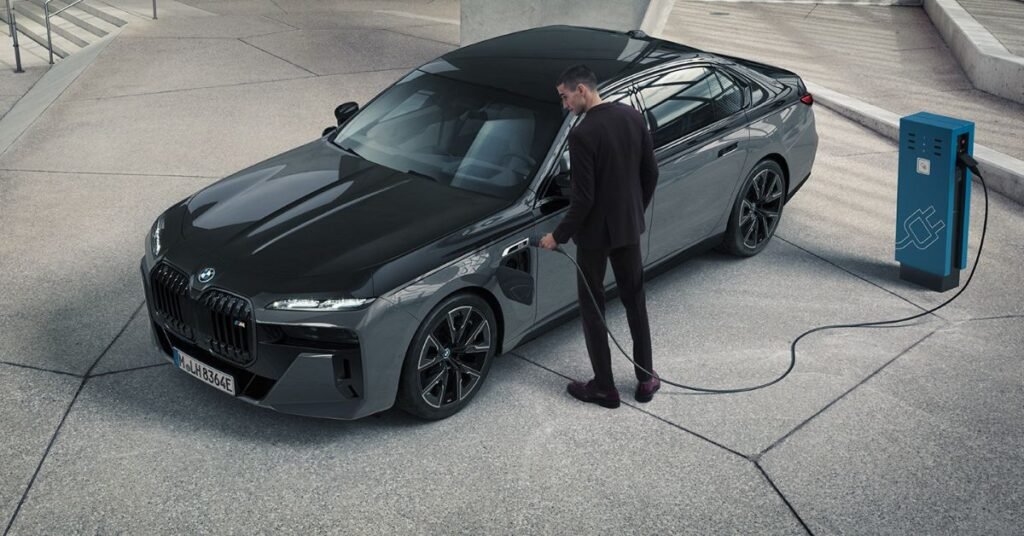
Charging time depends on the battery size and the charger you use. A home wall charger is much faster than a standard power socket. Many BMW hybrid models can be fully charged in about 2 to 5 hours with a Level 2 charger. This makes it easy to charge the car overnight.
BMW also uses regenerative braking to recharge the battery while driving. The system captures energy when you slow down or apply the brakes. This helps improve efficiency and extends electric driving. Therefore, keeping the battery charged allows you to save more fuel and reduce emissions.
BMW Hybrid Models Maintenance
BMW hybrid models need regular maintenance to stay reliable and efficient. You should change the engine oil, replace filters, and inspect the brakes as recommended. Tire pressure and wheel alignment should also be checked regularly. These simple tasks help keep the vehicle in good condition.
Periodic inspections are also required for the hybrid battery and electric motor. BMW designs these components to last for many years with proper care. In addition, the cooling system should be checked to keep the battery at the right temperature. Regular servicing helps prevent unexpected problems.
Following the maintenance schedule can reduce repair costs over time. It also helps improve fuel efficiency and overall performance. Therefore, it is a good idea to have your hybrid serviced by a qualified BMW technician. Proper maintenance will help your BMW stay dependable for many years.
Pros and Cons of BMW Hybrid Models
BMW hybrid models offer many advantages. They use less fuel than traditional petrol cars and produce lower emissions. The electric motor also provides quick acceleration and smooth driving. In addition, many models can travel short distances using only electric power.
These vehicles also come with modern technology and premium interiors. They are quiet during electric driving and comfortable on long trips. Furthermore, regenerative braking helps improve efficiency by charging the battery while driving. This makes everyday driving more economical.
However, there are a few drawbacks to consider. Hybrid models usually cost more than petrol-only versions. The battery also takes up some storage space, and regular charging is needed to get the best efficiency. Therefore, buyers should compare their driving needs and budget before choosing a BMW hybrid.
BMW Hybrid Models vs Fully Electric BMWs
BMW hybrid models use both a petrol engine and an electric motor. Fully electric BMWs run only on battery power and do not use fuel. Hybrid models are a good choice for drivers who travel long distances and want the flexibility of a petrol engine. On the other hand, fully electric BMWs produce zero tailpipe emissions and offer a quiet driving experience.
Here are some key differences:
- Power Source: Hybrid models use a petrol engine and an electric motor, while electric BMWs use only a battery and electric motor.
- Charging: Plug-in hybrids can be charged, but they can also run on petrol. Fully electric BMWs must be charged before driving.
- Driving Range: Hybrids offer a longer total driving range because of the fuel tank. Electric BMWs depend only on battery capacity.
- Fuel Costs: Electric BMWs have no fuel costs, while hybrids reduce fuel use but still need petrol.
- Best Choice: Hybrid models are ideal for mixed driving. Fully electric BMWs are best for drivers with regular access to charging.
Choosing the Right BMW Hybrid Model
Choosing the right BMW hybrid model depends on your driving needs and budget. If you mainly drive in the city, a compact hybrid sedan may be the best choice. If you need more space, a hybrid SUV offers extra comfort and cargo room. Consider how you use your vehicle every day.
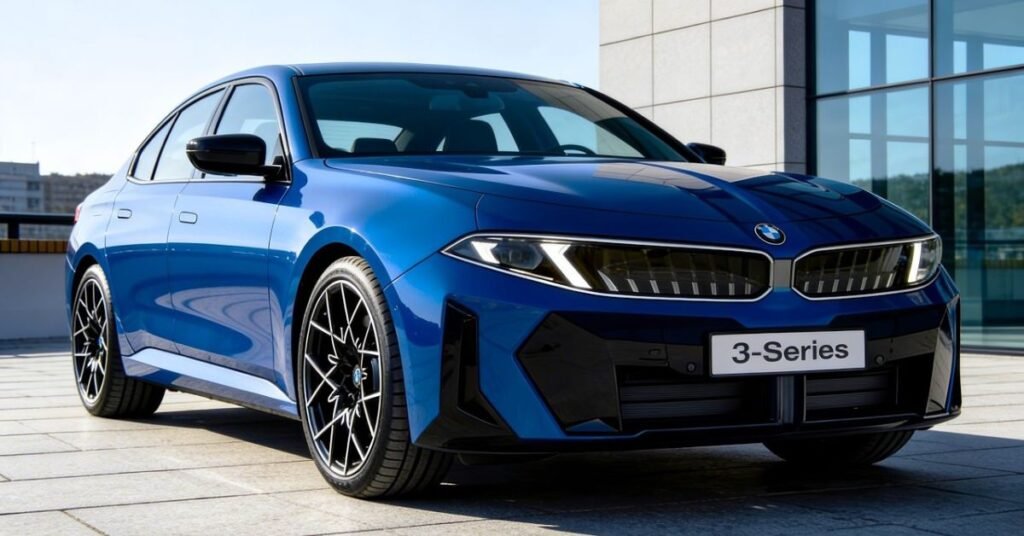
You should also compare the electric range, performance, and features of each model. Some hybrids focus on fuel efficiency, while others offer stronger performance. In addition, check the available safety features and technology. By doing this, you will be able to find a model that suits your lifestyle.
Before buying, consider the purchase price and long-term running costs. If you have access to home charging, a plug-in hybrid can help you save more fuel. It is also a good idea to take a test drive before making your decision. Therefore, comparing different BMW hybrid models will help you choose the best one with confidence.
Conclusion
BMW hybrid models offer a great balance of performance, fuel efficiency, and modern technology. They are available in different sizes, from practical sedans to spacious SUVs. With lower fuel consumption and reduced emissions, they are a smart choice for many drivers. They also provide the comfort and driving experience that BMW is known for.
Before choosing a model, compare its features, electric range, price, and maintenance costs. Think about your daily driving habits and charging options. A little research can help you find the right hybrid for your needs. With proper care, a BMW hybrid can provide reliable and enjoyable driving for many years.
FAQs
1. What are BMW hybrid models?
BMW hybrid models combine a petrol engine with an electric motor to improve fuel efficiency, lower emissions, and deliver strong performance.
2. Do BMW hybrid models need to be charged?
Plug-in hybrid models should be charged regularly for the best electric range, while mild hybrid models do not require external charging.
3. How long does it take to charge a BMW plug-in hybrid?
Most BMW plug-in hybrid models take about 2 to 5 hours to fully charge with a Level 2 home charger.
4. Are BMW hybrid models reliable?
Yes, BMW hybrid models are generally reliable when they are serviced regularly and maintained according to the manufacturer’s schedule.
5. Which BMW hybrid model is best for families?
The BMW X5 xDrive50e is a popular family choice because it offers a spacious cabin, advanced safety features, and excellent performance.