A BMW maintenance schedule is a plan that tells you when to service your car. It includes tasks like oil changes, brake checks, and fluid inspections. This schedule is based on time and mileage. It helps keep your car running smoothly and safely.
Many people ignore regular maintenance until a problem appears. This can lead to costly repairs later. A simple service done on time can save money and stress. Taking care of your BMW early always gives better results.
Each BMW model may have a slightly different schedule. Some need service more often than others. In this guide, you will learn what to check and when to do it. It will help you keep your BMW in top condition for a long time.
BMW Maintenance Schedule Guide
A BMW maintenance schedule helps you know when to service your car. It is based on mileage and time. It includes tasks like oil changes, brake checks, and inspections. Following this guide keeps your car running smoothly. It also helps avoid sudden problems.
Regular maintenance keeps your BMW safe and reliable. Small services done on time prevent big repairs later. For example, changing oil protects the engine. Checking brakes keeps you safe on the road. These simple steps improve performance and comfort.
Each BMW model may have a slightly different schedule. Some cars need more frequent service. It is important to check your owner’s manual. You can also follow general service intervals. This guide makes it easy to take care of your BMW.
Importance of Regular Service
Regular service keeps your car in good condition. It helps the engine run smoothly. It also reduces the risk of sudden breakdowns. Small checks can prevent big problems later.
When you service your car on time, parts last longer. Oil changes protect the engine. Brake checks improve safety on the road. Clean filters help the car perform better.
Skipping service can lead to costly repairs. Problems grow worse if ignored. Regular care saves money in the long run. It also gives you peace of mind while driving.
Service Intervals Overview
Service intervals tell you when your car needs maintenance. They are based on mileage and time. Most cars need basic service every few thousand miles. These intervals help keep your car in good shape.
Some tasks are done more often than others. Oil changes are usually needed sooner. Brake checks and tire rotation also happen regularly. Bigger services, like spark plug replacement, come later.
Following service intervals is very important. It keeps your car running smoothly. It also helps avoid sudden problems. Always check your manual for the correct schedule.
Oil Change Basics
Oil keeps the engine parts moving smoothly. It reduces friction and heat. Clean oil protects the engine from damage. Over time, oil gets dirty and loses its power.
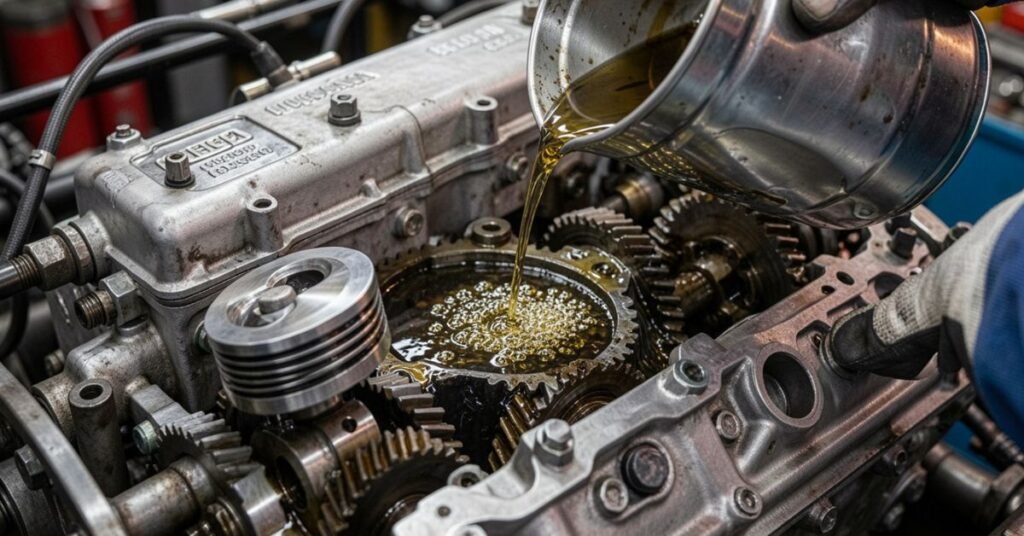
Most cars need an oil change after a set number of miles. The exact time depends on driving habits and oil type. Regular oil does not last as long as synthetic oil. Still, it must be changed on time.
Skipping oil changes can harm the engine. Wear and tear can be caused by dirty oil. This may lead to costly repairs. Regular oil changes keep your car running strong and smooth.
Tire Care Tips
Tires are very important for safety and comfort. They help your car grip the road properly. Well-maintained tires improve fuel efficiency. They also make driving smoother and safer.
Regular tire care helps them last longer. Accidents are also reduced as a result. You should check your tires often. Simple checks can make a big difference.
- Check tire pressure regularly
- Rotate tires after some miles
- Inspect for cuts or damage
- Keep tires properly aligned
- Replace worn-out tires on time
Brake Maintenance
Brake maintenance is very important for safety. Brakes help you stop your car quickly and safely. Good brakes reduce the risk of accidents. They must always work properly.
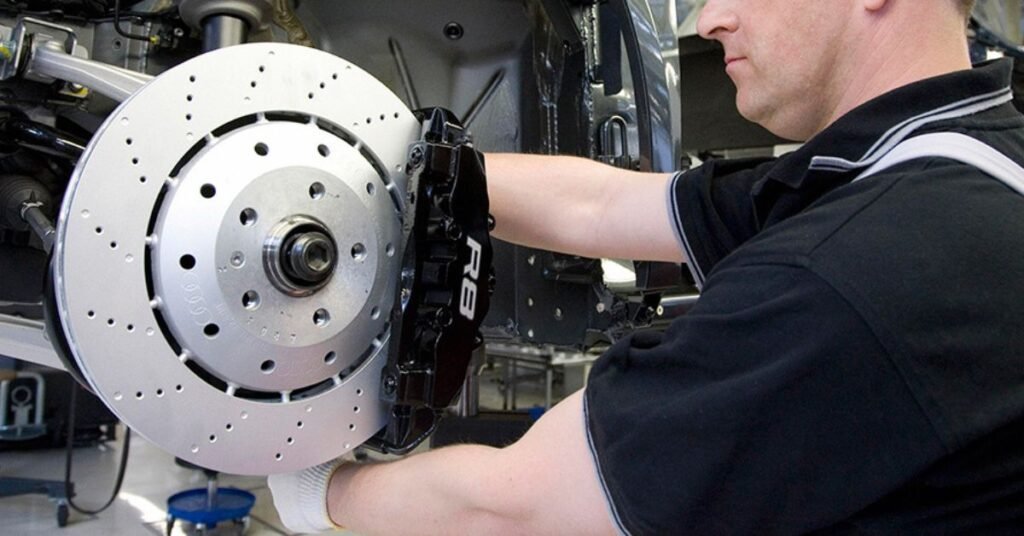
Brake pads wear out over time. They need regular checking and replacement. If you hear noise while braking, it may be a warning sign. Soft or slow brakes also need attention.
Keeping brakes in good condition improves control. It also makes driving safer in all conditions. Regular inspection can prevent bigger problems. Always fix brake issues as soon as possible.
Fluid Checks
Fluid checks are an important part of car care. Your BMW uses different fluids to run smoothly. Engine oil, coolant, brake fluid, and transmission fluid are among them. Each fluid has a specific job.
Checking fluids regularly helps prevent damage. Low or dirty fluids can affect performance. For example, low coolant can cause engine overheating. Low brake fluid can reduce stopping power.
Always keep fluids at the correct level. Top them up when needed. Also, replace them on time as recommended. Regular fluid checks keep your car safe and reliable.
Battery Care
Battery care is important for a reliable car start. The battery gives power to start the engine and run electrical systems. If the battery is weak, the car may not start properly. Regular checks help avoid this problem.
A car battery can lose power over time. Heat and cold weather can also affect its life. Terminals should be checked for corrosion. Clean connections help the battery work better.
If the battery is old, it may need replacement. Weak signs include slow starting and dim lights. Testing the battery regularly is a good habit. Proper care helps avoid sudden breakdowns.
Engine Health Tips
Engine health is very important for your BMW. A well-maintained engine runs smoothly and gives better performance. It also improves fuel efficiency. Regular care keeps it in good condition.
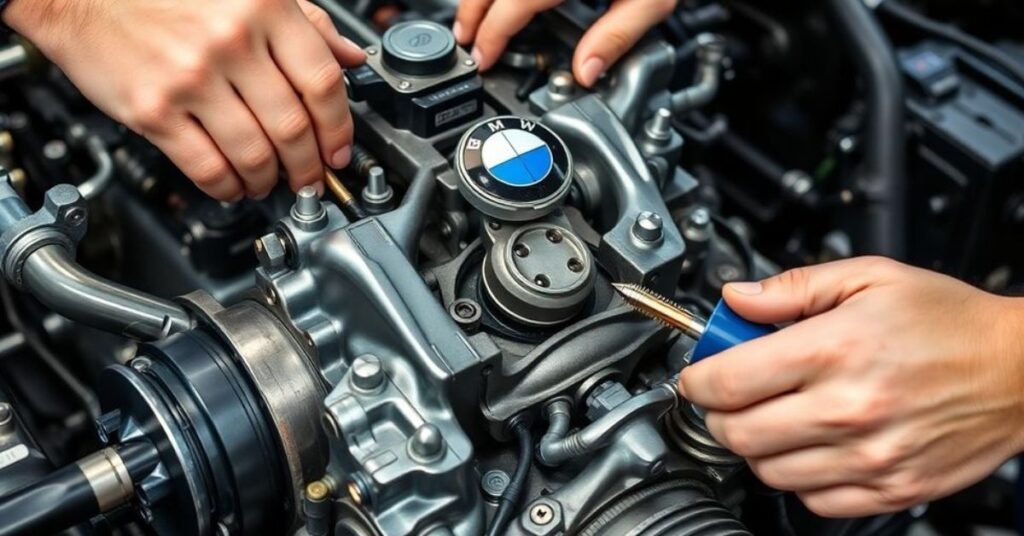
You should always use good-quality engine oil. Change the oil on time to avoid damage. Keep the air filter clean for better airflow. Check for any unusual sounds or leaks.
Avoid driving the car with warning lights on. Let the engine warm up before heavy driving. Regular service helps detect small issues early. Good engine care increases the life of your car.
Warning Signs to Watch
Your BMW can show warning signs when something is wrong. These signs help you detect problems early. Ignoring them can lead to bigger issues. Always pay attention while driving.
Common signs include strange noises from the engine or brakes. Warning lights on the dashboard are also important. Smoke, leaks, or unusual vibrations should not be ignored. These are clear signals of trouble.
If you notice any warning signs, get your car checked quickly. Early repair can save time and money. It also keeps your car safe and reliable. Never delay maintenance when signs appear.
Maintenance Costs
BMW maintenance costs depend on the type of service and the car’s model. Basic services are usually affordable. But advanced repairs can be expensive. Regular maintenance helps reduce these costs over time.
If you service your car on time, you avoid major problems. This saves money in the long run. Delayed repairs often lead to higher bills. Planning your maintenance budget is always a smart choice.
Estimated BMW Maintenance Costs
| Service Type | Frequency | Estimated Cost (USD) | Estimated Cost (PKR) |
| Oil Change | Every 5,000–10,000 miles | $100 – $250 | 28,000 – 70,000 |
| Brake Pad Replacement | Every 20,000–40,000 miles | $300 – $800 | 84,000 – 224,000 |
| Tire Rotation | Every 5,000–8,000 miles | $50 – $120 | 14,000 – 34,000 |
| Battery Replacement | Every 3–5 years | $200 – $500 | 56,000 – 140,000 |
| Full Service Inspection | Yearly | $300 – $1,000 | 84,000 – 280,000 |
Regular care keeps your BMW running smoothly and helps avoid expensive repairs.
DIY and Professional Service
DIY service means doing basic car maintenance yourself. It includes simple tasks like checking oil, air filters, and tire pressure. These tasks are easy and save money. Many car owners prefer doing them at home.
Professional service is done by trained mechanics. They handle complex repairs and detailed inspections. This includes engine work, brake repair, and computer diagnostics. It ensures your BMW gets expert care.
Both DIY and professional services are important. DIY helps with small maintenance tasks. Professional service is needed for major issues. A mix of both keeps your car in good condition.
Long-Term Care Tips
Long-term care helps your BMW stay in good condition for many years. Regular maintenance is the key to a healthy car. Small actions done on time make a big difference. It also improves performance and reliability.
Always follow the service schedule given in the manual. Use high-quality parts and fluids for better results. Drive carefully and avoid harsh braking or speeding. These habits reduce wear and tear on the car.
Keep your car clean inside and outside. Store it in a safe place to protect it from weather damage. Regular inspections help find problems early. Good care increases the life of your BMW.
Conclusion
A BMW maintenance schedule is very important for every car owner. It helps you keep your car safe, smooth, and reliable. Regular service prevents major problems and improves performance. Simple care can make a big difference in the long run.
Following the right maintenance routine saves money and time. It also extends the life of your BMW. Always stay consistent with checks and services. Good maintenance means a better driving experience every day.
FAQs
1. What is a BMW maintenance schedule?
It is a plan that shows when your BMW needs service. It includes oil changes, inspections, and other regular checks.
2. How often should I service my BMW?
It depends on mileage and model, but usually every 5,000–10,000 miles or once a year.
3. What happens if I skip maintenance?
Skipping maintenance can cause engine damage and costly repairs over time.
4. Can I do BMW maintenance at home?
Yes, you can do basic tasks like checking oil and tire pressure, but complex work needs a mechanic.
5. Why is regular maintenance important?
It keeps your BMW safe, improves performance, and increases its lifespan.