A BMW alternator is an important part of your vehicle’s electrical system. It generates electricity while the engine is running. It also keeps the battery charged and powers components like the headlights, infotainment system, and climate control. Without a working alternator, your BMW cannot run properly for long.
Many drivers do not notice alternator problems until warning signs appear. However, ignoring those signs can lead to a dead battery or even leave you stranded. Therefore, knowing the early symptoms can help you avoid expensive repairs and unexpected breakdowns.
In this guide, you will learn the common signs of BMW alternator failure, the main causes, and how to test it. You will also discover replacement costs in Germany and the USA, compare OEM and aftermarket options, and find simple maintenance tips to extend your alternator’s lifespan.
BMW Alternator Function
The BMW alternator produces electricity while the engine is running. It converts mechanical energy from the engine into electrical power. Then, it sends electricity to the battery and the vehicle’s electrical system. As a result, your BMW has a steady power supply during every drive.
The alternator powers many important components. For example, it supports the headlights, dashboard, infotainment system, power windows, climate control, and other electronic features. At the same time, it keeps the battery fully charged. Therefore, the battery is ready to start the engine whenever needed.
A healthy alternator helps your BMW perform reliably. However, if it fails, the battery will slowly lose its charge. Consequently, electrical systems may stop working correctly, and the engine may eventually stall. Therefore, keeping the alternator in good condition is essential for safe and trouble-free driving.
How a BMW Alternator Works
A BMW alternator is driven by the engine through a serpentine belt. When the engine starts, the belt spins the alternator pulley. Inside the alternator, a rotor and stator work together to generate electricity. This process creates the power your BMW needs while driving.
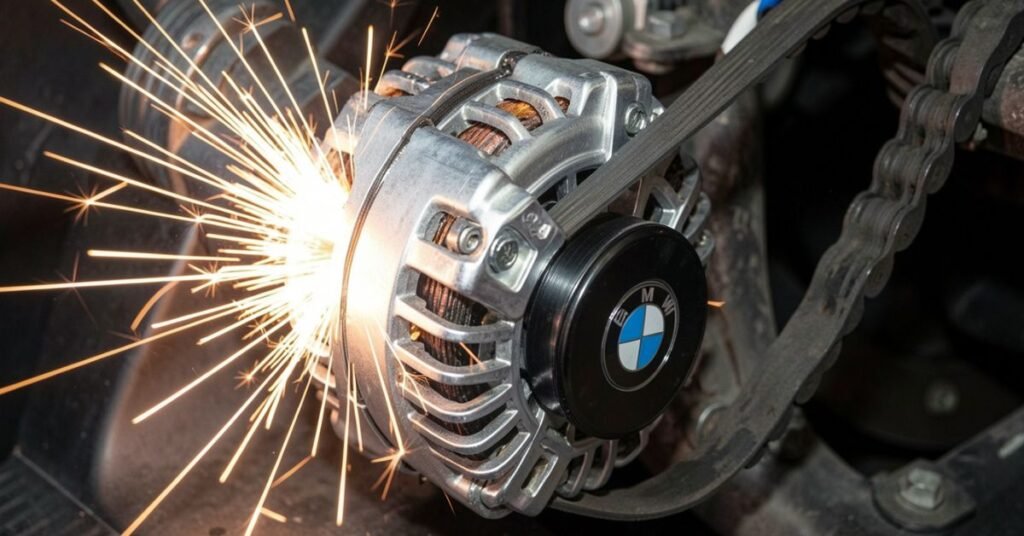
The electricity produced by the alternator is alternating current (AC). However, your BMW uses direct current (DC). Therefore, the alternator has a built-in rectifier that converts AC into DC. Then, a voltage regulator controls the output to provide a stable power supply.
The generated electricity powers the vehicle’s electrical systems and recharges the battery at the same time. As a result, the battery stays ready for the next engine start. If the alternator stops working, the battery becomes the only power source. Consequently, the battery will eventually drain, and the engine may stop running.
BMW Alternator Parts
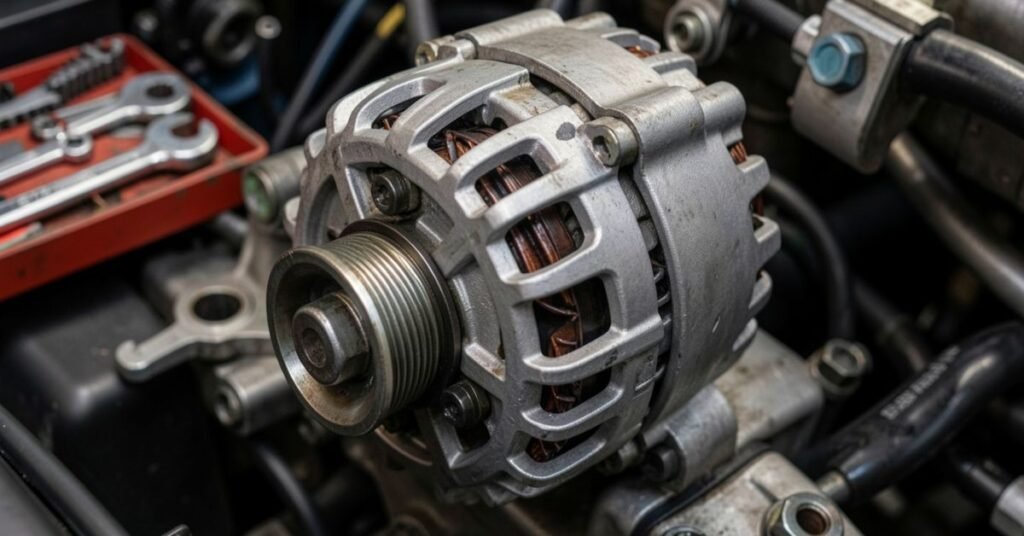
A BMW alternator is made up of several important parts that work together. The main components include the rotor, stator, rectifier, voltage regulator, pulley, bearings, and cooling fan. Each part has a specific job. Together, they help produce and control electrical power.
The rotor spins inside the alternator and creates a magnetic field. The stator surrounds the rotor and generates electricity from that magnetic field. Then, the rectifier changes the electricity from alternating current (AC) to direct current (DC). After that, the voltage regulator keeps the electrical output at a safe and steady level.
The pulley connects the alternator to the engine through the serpentine belt. Meanwhile, the bearings allow the rotor to spin smoothly with less friction. The cooling fan helps remove heat during operation. Therefore, all these parts must work properly to keep the BMW alternator running efficiently.
Bad BMW Alternator Symptoms
A failing BMW alternator often shows warning signs before it stops working completely. One of the most common signs is the battery warning light on the dashboard. You may also notice dim headlights or flickering interior lights. Therefore, these symptoms should never be ignored.
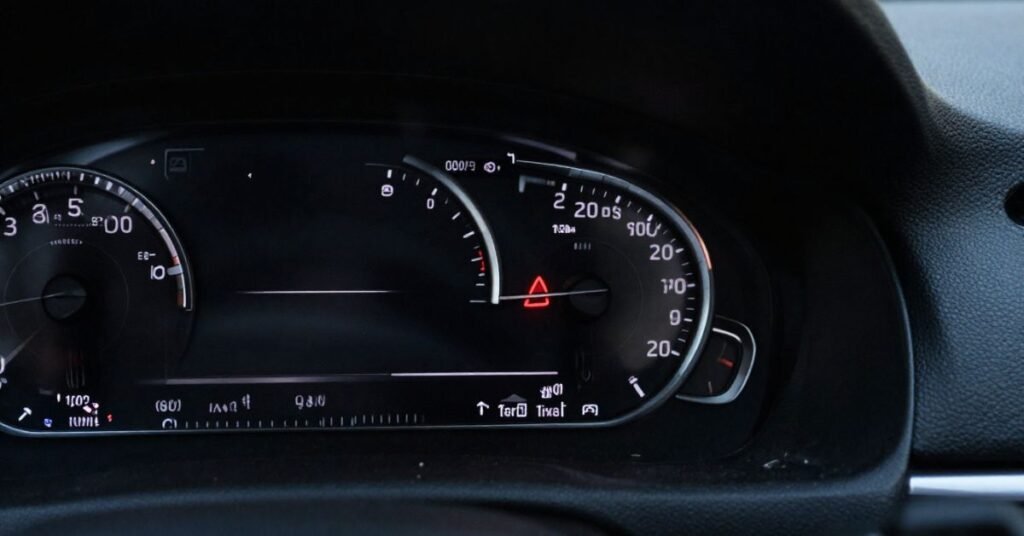
Electrical problems can also point to a bad alternator. For example, the infotainment system may restart, the power windows may move slowly, or the climate control may not work properly. In some cases, you may hear a whining or grinding noise from the alternator. These signs often mean that internal parts are wearing out.
As the alternator gets weaker, the battery will not charge properly. Consequently, the engine may become hard to start or fail to start at all. In severe cases, the engine can stall while driving because the electrical system loses power. Therefore, replacing a faulty alternator early can help prevent costly repairs and unexpected breakdowns.
BMW Alternator Failure Causes
A BMW alternator can fail for several reasons. Over time, normal wear and tear is the most common cause. Internal parts such as the bearings, brushes, and voltage regulator can wear out. As a result, the alternator cannot produce enough electrical power.
A damaged serpentine belt can also cause alternator problems. If the belt becomes loose, cracked, or breaks, the alternator cannot spin properly. In addition, water, dirt, or oil leaks can damage internal components. Therefore, regular inspections are important to prevent early failure.
Electrical issues can also shorten the alternator’s lifespan. For example, a weak battery, faulty wiring, or poor electrical connections can put extra stress on the alternator. Likewise, excessive heat from the engine can reduce its performance over time. Therefore, fixing these problems early helps keep the alternator working efficiently.
BMW Alternator Testing
Testing a BMW alternator helps you find charging problems before they become serious. First, look for warning signs such as the battery light, dim headlights, or slow electrical accessories. Then, inspect the alternator and serpentine belt for visible damage. A quick visual check can reveal obvious issues.
Next, use a digital multimeter to measure the battery voltage. With the engine off, a healthy battery usually reads around 12.6 volts. Then, start the engine and test the voltage again. A properly working alternator should normally produce about 13.5 to 14.8 volts.
If the voltage is too low or too high, the alternator or voltage regulator may be faulty. In addition, unusual noises or a burning smell can point to internal damage. Therefore, if the test results are outside the normal range, it is best to have the charging system inspected and repaired as soon as possible.
BMW Alternator Replacement
BMW alternator replacement becomes necessary when the alternator can no longer charge the battery correctly. First, the old alternator is removed after disconnecting the battery. Then, the serpentine belt and electrical connections are detached. After that, the new alternator is installed in the same position.
The replacement process can vary between BMW models. Some vehicles provide easy access to the alternator, while others require removing nearby components first. Therefore, the repair may take more time on certain models. Using the correct alternator is also important for proper performance.
After installation, the charging system should be tested. The battery voltage should be checked to confirm the new alternator is working correctly. In addition, the battery warning light should stay off while the engine is running. Therefore, a final inspection helps ensure the replacement was successful.
BMW Alternator Replacement Cost
The cost of a BMW alternator replacement depends on the model, engine type, and the alternator you choose. OEM alternators usually cost more than aftermarket options. In addition, labor costs vary between repair shops. Therefore, the total price can differ from one vehicle to another.
In Germany, BMW alternator replacement typically costs between €500 and €1,100, including parts and labor. In the USA, the average cost is usually $600 to $1,300. However, luxury and high-performance BMW models may cost even more because they require specialized parts and additional labor.
Although replacing an alternator is not inexpensive, delaying the repair can lead to bigger problems. A failing alternator can damage the battery or leave you stranded. Therefore, replacing it at the right time can help you avoid higher repair costs and improve your BMW’s reliability.
BMW Alternator Maintenance
Regular maintenance can help your BMW alternator last longer. First, inspect the serpentine belt for cracks, wear, or looseness. Also, keep the alternator clean and free from dirt and oil. Therefore, these simple checks can prevent unnecessary damage.
Check the battery and electrical connections regularly. Clean any corrosion from the battery terminals and make sure all cables are tight. In addition, replace a weak battery when needed. As a result, the alternator does not have to work harder than necessary.
Pay attention to early warning signs during everyday driving. For example, do not ignore the battery warning light, dim lights, or unusual noises. Instead, have the charging system inspected as soon as possible. Consequently, regular maintenance can improve reliability and help you avoid costly repairs.
OEM vs Aftermarket BMW Alternator
OEM and aftermarket BMW alternators each have their own advantages. An OEM alternator is made by the original manufacturer and is designed to match your BMW perfectly. Therefore, it usually offers the best fit, performance, and reliability. However, it also comes with a higher price.
An aftermarket alternator is made by a different manufacturer. It is often more affordable and widely available. However, quality can vary between brands. Therefore, choosing a trusted aftermarket brand is important if you want dependable performance and a long service life.
| Feature | OEM BMW Alternator | Aftermarket BMW Alternator |
| Manufacturer | Original equipment supplier | Third-party manufacturer |
| Fit | Exact factory fit | May vary by brand |
| Compatibility | Guaranteed for the correct BMW model | Depends on product quality |
| Performance | Factory-standard performance | Varies from basic to premium |
| Reliability | Excellent | Good to excellent (brand-dependent) |
| Build Quality | High-quality materials | Varies by manufacturer |
| Warranty | Usually longer | Varies by brand |
| Price | Higher | Lower to moderate |
| Availability | BMW dealers and OEM suppliers | Auto parts stores and online retailers |
| Installation | Direct replacement | Usually direct, but verify compatibility |
| Lifespan | Generally longer | Depends on quality and usage |
| Best For | Long-term ownership and maximum reliability | Budget-friendly replacements and older BMW models |
BMW Alternator Problems
BMW alternator problems can affect both the battery and the vehicle’s electrical system. A faulty alternator may not produce enough power or may supply an unstable voltage. As a result, you may experience starting problems, electrical faults, or a stalled engine. Therefore, early diagnosis can help prevent more expensive repairs.
Some alternator problems are caused by worn internal parts, while others result from damaged belts or poor electrical connections. In addition, a failing voltage regulator can lead to overcharging or undercharging the battery. Therefore, fixing these issues quickly helps keep your BMW reliable.
Common BMW alternator problems include:
- Battery warning light stays on
- Dim or flickering headlights
- Weak or dead battery
- Engine hard to start
- Engine stalls while driving
- Whining or grinding noises
- Burning smell from the alternator
- Loose or worn serpentine belt
- Faulty voltage regulator
- Corroded or damaged electrical connections
Choosing a BMW Alternator
Choosing the right BMW alternator is important for reliable performance. First, make sure the alternator matches your BMW model, engine, and production year. You should also check the correct part number before buying. Therefore, selecting the right unit helps avoid installation and charging problems.
Next, decide whether you want an OEM or aftermarket alternator. OEM units provide factory-quality fit and performance. Meanwhile, a high-quality aftermarket alternator can offer good value at a lower price. However, always choose a trusted brand with a warranty.
Finally, consider the alternator’s output rating and overall quality. A replacement should meet your BMW’s electrical requirements. In addition, buy from a reputable dealer or supplier to avoid counterfeit parts. Consequently, choosing the correct alternator can improve reliability and provide long-lasting performance.
BMW Alternator Lifespan
A BMW alternator typically lasts between 100,000 and 200,000 kilometers or about 7 to 12 years. However, its lifespan depends on driving conditions, maintenance, and the vehicle’s electrical load. Therefore, some alternators may last longer, while others may fail earlier.
Several factors can affect alternator life. Frequent short trips, extreme temperatures, and a weak battery can put extra strain on the alternator. In addition, worn belts or poor electrical connections can reduce its performance over time. As a result, regular maintenance is important.
You can extend the life of a BMW alternator by inspecting the charging system regularly. Replace a worn serpentine belt and keep the battery in good condition. Also, address warning lights and unusual noises without delay. Consequently, proper care can help the alternator deliver reliable performance for many years.
Conclusion
A BMW alternator is a key part of your vehicle’s charging system. It keeps the battery charged and powers important electrical components while you drive. Therefore, knowing the signs of alternator failure and maintaining it regularly can help prevent unexpected breakdowns. Choosing the right replacement also ensures reliable performance.
Regular inspections and timely repairs can save you money in the long run. Whether you choose an OEM or a quality aftermarket alternator, always make sure it matches your BMW model. As a result, your vehicle will remain dependable, and you can enjoy a smoother and safer driving experience.
FAQs
1. How long does a BMW alternator last?
A BMW alternator usually lasts 100,000 to 200,000 kilometers or about 7 to 12 years, depending on driving habits and maintenance.
2. What are the signs of a bad BMW alternator?
Common signs include a battery warning light, dim headlights, starting problems, strange noises, and a weak or dead battery.
3. Can I drive with a bad BMW alternator?
You can drive for a short distance in some cases. However, the battery will eventually drain, and the engine may stall.
4. How much does a BMW alternator replacement cost?
In Germany, replacement usually costs €500–€1,100. In the USA, it typically costs $600–$1,300, including parts and labor.
5. Should I choose an OEM or aftermarket BMW alternator?
An OEM alternator offers the best fit and reliability. However, a high-quality aftermarket alternator can be a more affordable option.