Old BMW cars are classic vehicles built by BMW in earlier decades. These cars are known for their strong engineering, elegant designs, and enjoyable driving experience. Many enthusiasts still admire them for their blend of luxury, comfort, and performance.
Even today, many classic BMW models continue to attract attention on roads and at car shows. Their timeless styling and powerful engines have helped them remain popular among collectors and drivers. As a result, these vehicles have become symbols of automotive heritage and prestige.
In this article, we will explore the most iconic BMW classics that helped shape the brand’s reputation. We will look at their design, performance, features, reliability, and market value. Additionally, you will discover why these legendary models are still respected by car enthusiasts around the world.
Evolution of BMW Through the Years
BMW has changed a lot over the years. The company started by building aircraft engines before moving into motorcycles and cars. Over time, BMW became known for making vehicles that combined luxury, innovation, and strong performance.
During the 1960s and 1970s, BMW introduced several models that helped shape its modern identity. Cars like the BMW 2002 and the early 5 Series gained popularity among drivers. As a result, the brand earned a reputation for sporty handling and quality engineering.
In the following decades, BMW continued to improve its designs and technology. New engines, safety features, and comfort options were added to each generation. Today, many older BMW models are still admired because they represent important milestones in the brand’s history.
Classic Models That Shaped the Brand
Several classic BMW models played a major role in building the brand’s reputation. The BMW 2002, introduced in the late 1960s, became famous for its sporty performance and compact design. As a result, it helped establish BMW as a maker of driver-focused cars in Germany, the United States, and beyond.
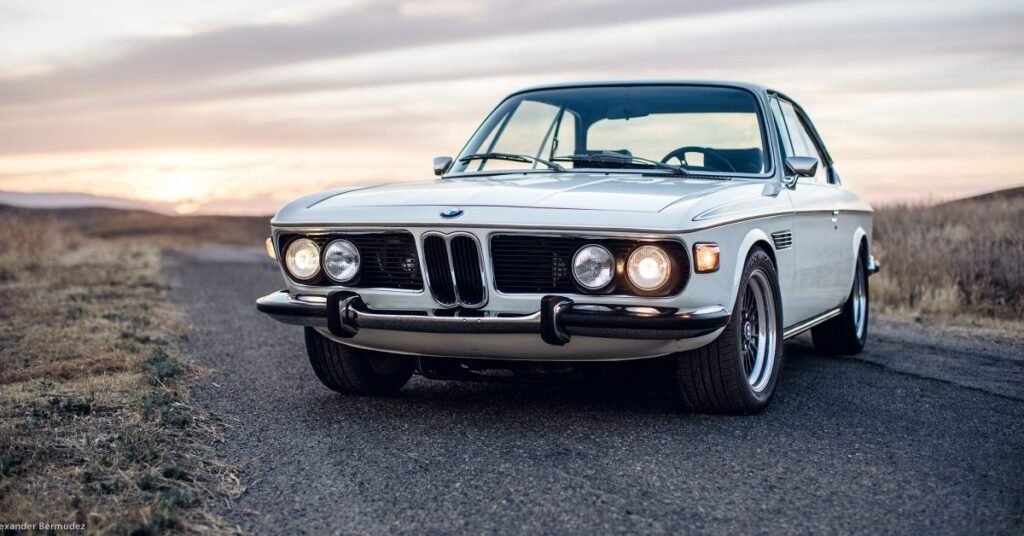
The BMW E9 coupe and the first-generation 3 Series also helped strengthen the brand’s image. These models combined elegant styling with enjoyable handling. Consequently, they attracted buyers who wanted both luxury and performance in one package.
Later, vehicles such as the E28 5 Series and the original M3 continued this success. They showcased BMW’s engineering skills and commitment to innovation. Today, these classic models remain highly respected among collectors and enthusiasts in Germany and the USA.
Signature BMW Design Elements
BMW has always followed a distinctive design philosophy. One of its most recognizable features is the twin-kidney grille. Over the years, this design element has become a symbol of the brand and is found on many classic models.
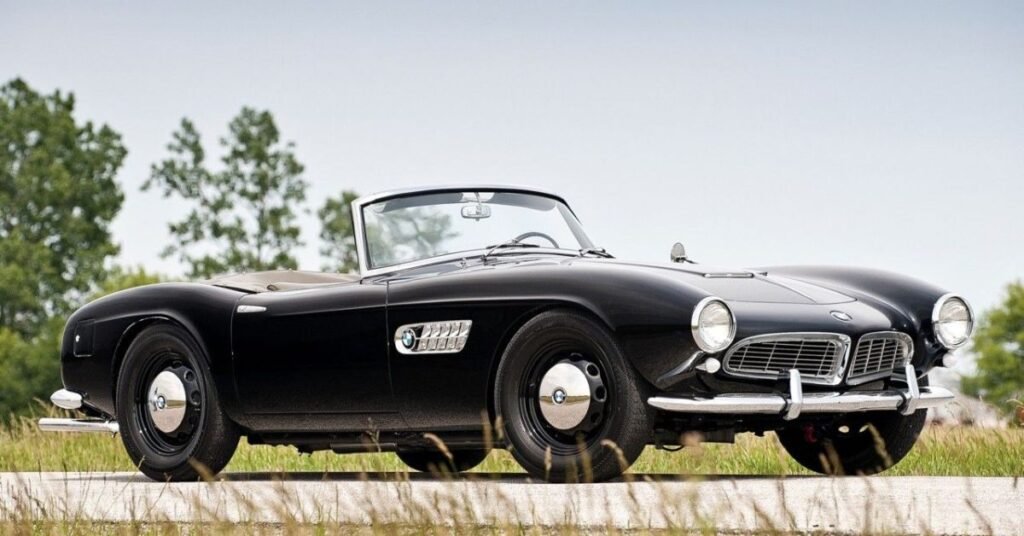
Another key feature is the driver-focused cabin layout. BMW placed important controls within easy reach of the driver. As a result, these cars offered a more engaging and comfortable driving experience, especially on German highways and American roads.
Classic BMW models also featured clean body lines and balanced proportions. Their designs looked sporty without being overly aggressive. Therefore, many older BMW cars still appear stylish and timeless even decades after they were first introduced.
Most Popular Old BMW Cars
Many old BMW cars remain popular among enthusiasts and collectors because of their distinctive design, driving character, and place in BMW history. Models such as the BMW 2002, E30 3 Series, E28 5 Series, E39 5 Series, and E46 3 Series are among the best-known classic BMW vehicles.
Today, the value of an old BMW depends heavily on its condition, mileage, originality, service history, engine, and rarity. Well-maintained or rare versions can attract higher prices, while regular examples may remain more affordable. Demand also differs between individual models and markets.
Popular Old BMW Models
| Model | Production Years | Vehicle Type | Engine Range | Key Characteristics |
|---|---|---|---|---|
| BMW 2002 | 1968–1976 | Compact Sedan | 1.6L–2.0L I4 | Lightweight and engaging |
| BMW E21 3 Series | 1975–1983 | Sedan | 1.6L–2.3L | First-generation 3 Series |
| BMW E30 3 Series | 1982–1994 | Sedan/Coupe/Convertible | 1.6L–2.5L | Iconic design and wide model range |
| BMW E28 5 Series | 1981–1988 | Sedan | 1.8L–3.5L | Classic executive sedan |
| BMW E24 6 Series | 1976–1989 | Coupe | 2.8L–3.5L | Luxury grand touring design |
| BMW E23 7 Series | 1977–1986 | Sedan | 2.5L–3.5L | First-generation 7 Series |
| BMW E34 5 Series | 1988–1996 | Sedan | 1.8L–4.0L | Wide range of petrol and diesel options |
| BMW E36 3 Series | 1990–2000 | Sedan/Coupe/Convertible | 1.6L–3.2L | Popular entry-level modern classic |
| BMW E39 5 Series | 1995–2004 | Sedan/Touring | 2.0L–4.9L | Balanced handling and refined design |
| BMW E31 8 Series | 1989–1999 | Grand Tourer | 4.0L–5.6L V8/V12 | Distinctive luxury coupe |
| BMW Z3 | 1995–2002 | Roadster/Coupe | 1.8L–3.2L | Compact sports car design |
| BMW E46 3 Series | 1997–2006 | Sedan/Coupe/Convertible/Touring | 1.8L–3.2L | Balanced performance and broad lineup |
Engine Options and Performance
Old BMW cars are known for their strong and reliable engines. In Germany and the United States, these engines were designed for both city driving and high-speed highways. Most models came with inline-4, inline-6, and V8 engine options.
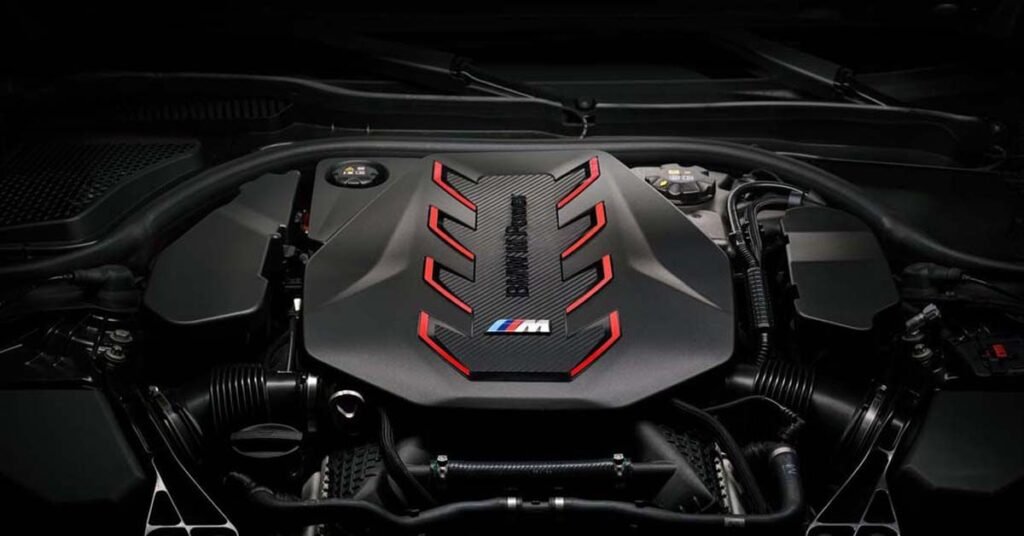
BMW focused on smooth power delivery and sporty performance. The inline-6 engines became very popular because they offered balance and strong acceleration. Drivers in both Germany and the USA liked how these engines felt responsive and refined.
Performance was a key strength in old BMW models. Cars like the E30, E39, and E46 delivered a fun driving experience. Even today, these engines are respected for their durability, tuning potential, and classic driving feel.
Interior Features and Comfort
Old BMW cars were designed with a driver-focused interior. In Germany and the United States, comfort and control were both important. The dashboard layout was simple and easy to use.
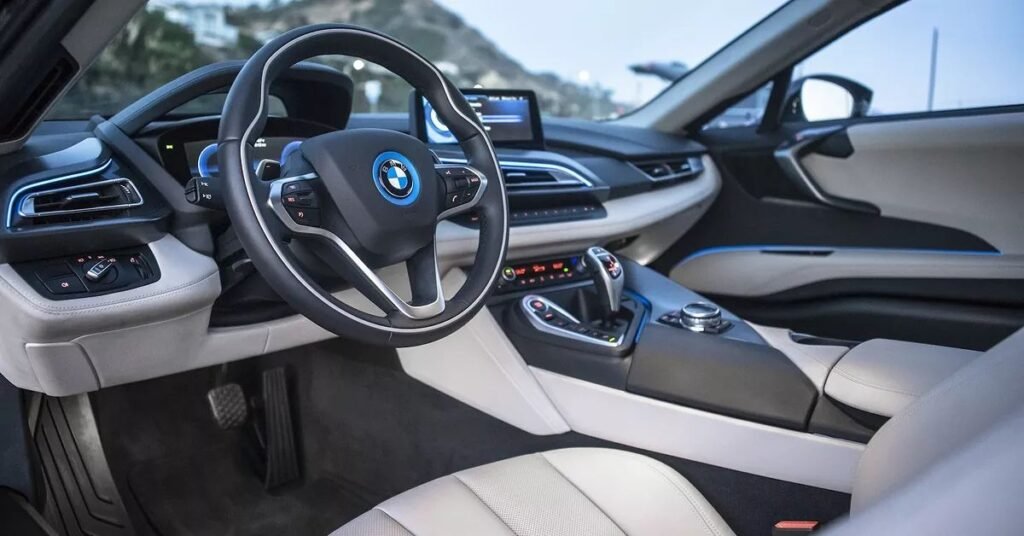
The seats were built for long-distance driving comfort. Many models offered good support and high-quality materials for their time. As a result, drivers could enjoy both city and highway travel without feeling tired.
Luxury features were also improved in later models. Power windows, climate control, and better sound insulation became common. Even today, many old BMW interiors still feel solid and premium compared to other cars of the same age.
Rare and Collectible BMW Models
Some old BMW cars are very rare and hard to find today. In Germany and the United States, collectors search for limited-production models and special editions. These cars often have unique designs and special features.
Models like the BMW E30 M3, BMW 507, and BMW Z8 are highly collectible. They were produced in small numbers and are now considered valuable classics. As a result, their prices are very high in both German and U.S. markets.
These rare BMWs are often kept in museums or private collections. Many owners preserve them carefully to maintain their original condition. Today, they are seen as investment cars and symbols of BMW’s finest engineering.
Driving Experience and Handling
Old BMW cars are famous for their driving feel. In Germany and the United States, drivers often praise their balance and control. These cars were built to make driving more engaging.
The handling is sharp and responsive. BMW used rear-wheel drive in most models, which improved cornering and stability. As a result, drivers felt more connected to the road.
Steering in these cars is also precise and direct. Highways in Germany and city roads in the USA both highlight their strengths. Even today, old BMW models are known for offering a fun and sporty driving experience.
Reliability and Common Problems
Old BMW cars can remain dependable when they receive regular maintenance and proper repairs. However, reliability varies by model, engine, age, mileage, and maintenance history. Before buying an older BMW, it is important to inspect the condition of the specific vehicle.
As these cars age, normal wear can affect mechanical, electrical, and rubber components. Some issues may be minor, while others can become expensive if they are ignored. Regular servicing and early repairs can help keep an old BMW in good condition.
Common Problems in Old BMW Cars
Oil leaks from gaskets and seals
Cooling system problems, including radiator and water pump issues
Electrical faults and aging sensors
Worn suspension and steering components
Deteriorating rubber hoses, bushings, and plastic parts
Maintenance and Ownership Costs
Old BMW cars need regular maintenance to stay in good condition. Maintenance costs can vary depending on the model, age, engine, condition, and availability of parts. Older vehicles may also require repairs from experienced technicians who understand classic BMW models.
Routine servicing can include oil changes, brake inspections, cooling system checks, and replacing worn parts. Completing this work on time can help prevent small problems from becoming more serious and expensive repairs.
Ownership costs may increase when rare or difficult-to-find parts need replacement. However, a well-maintained old BMW can remain desirable to enthusiasts and collectors. Its future value depends on factors such as condition, originality, rarity, model demand, and market trends.
Buying Guide for Classic BMWs
Buying old BMW cars needs careful checking. First of all, in Germany and the United States, many clean examples are still available, but condition can vary a lot. Therefore, always inspect the car before making a purchase.
Check the engine, gearbox, and suspension first. In addition, look for oil leaks, rust, and repair history. Otherwise, these issues can become expensive if ignored.
It is also important to verify documents and service records. Moreover, a well-maintained BMW with full history is always a better choice. Finally, in both Germany and the USA, good examples sell quickly, so buyers should act carefully and quickly.
Market Value and Collector Demand
Old BMW cars have strong market value in both Germany and the United States. Generally, prices depend on model, condition, and rarity. Furthermore, well-maintained examples often sell for high amounts.
Collector demand is growing every year. For example, models like the E30, E39, and classic M cars are especially popular. Consequently, many buyers see them as both driving cars and investments.
In Germany, collectors prefer original and well-preserved cars. On the other hand, in the USA, modified and restored BMWs are also popular. Thus, demand stays strong in both markets.
Conclusion
Old BMW cars have a strong place in automotive history. Moreover, in Germany and the United States, they are still loved for their design, performance, and driving feel. As a result, these cars clearly show how BMW built its global reputation over time.
Today, many old BMW models are more than just cars. In fact, they are collector items and smart investments. Therefore, with proper care and regular maintenance, they can still run well and deliver a great driving experience.
FAQs
1. Why are old BMW cars so popular?
Old BMW cars are popular because they offer strong performance, classic design, and a fun driving experience. In addition, they are highly valued in Germany and the USA.
2. Are old BMW cars reliable?
Yes, they are reliable if well maintained. However, regular service is important to avoid common issues like leaks and cooling problems.
3. Which old BMW models are best to buy?
Models like the E30, E39, and E46 are best. For example, they are known for balance, durability, and strong market demand.
4. Are old BMW cars expensive to maintain?
Yes, maintenance can be costly compared to normal cars. Therefore, premium parts and expert service are often required.
5. Do old BMW cars hold their value?
Yes, many classic BMWs hold or increase their value. Especially rare and well-preserved models in Germany and the USA perform very well in the market.