A BMW chassis code is a unique code that identifies a specific BMW model generation. It helps tell the difference between models that may look similar but were built on different platforms. BMW uses codes such as E, F, and G to organize its vehicles by generation and design.
If you own a BMW or plan to buy one, knowing the chassis code can save you time and money. It makes it easier to find the right parts, check compatibility, and understand your car’s history. Many BMW owners and enthusiasts use chassis codes every day.
In this guide, you will learn how BMW chassis codes work and what they mean. We will explain the E, F, and G series, show a BMW chassis code list, compare chassis codes with VINs, and share tips for finding the correct code for your BMW.
BMW Chassis Code Meaning
A BMW chassis code is a short code that identifies a specific BMW model generation. It is used by BMW to organize vehicles based on their platform and design. These codes make it easy to tell one generation from another, even if the cars have similar names.
BMW chassis codes usually begin with a letter followed by numbers. Common examples include E46, F30, and G20. The letter shows the generation series, while the numbers identify the specific project or model platform.
These codes are useful for owners, mechanics, and car buyers. They help you choose the correct replacement parts and accessories. They also make it easier to research vehicle specifications, maintenance information, and model history.
Why Chassis Codes Matter
BMW chassis codes help identify the exact generation of a vehicle. This is important because different generations can have different engines, parts, and features. Using the correct code helps avoid mistakes when repairing or upgrading a BMW.
Chassis codes also make it easier to buy the right replacement parts. Many online stores and repair shops ask for the chassis code before recommending parts. This helps ensure a proper fit and saves both time and money.
Car buyers can also benefit from knowing the chassis code. It helps verify the model generation and compare different BMW versions. As a result, buyers can make better decisions and understand the vehicle more clearly.
BMW Chassis Code Format
BMW chassis codes use a combination of letters and numbers to identify a specific vehicle development series or model generation. Common examples include E46, F30, and G20. The format can vary between BMW models, so chassis codes do not always follow one fixed pattern.
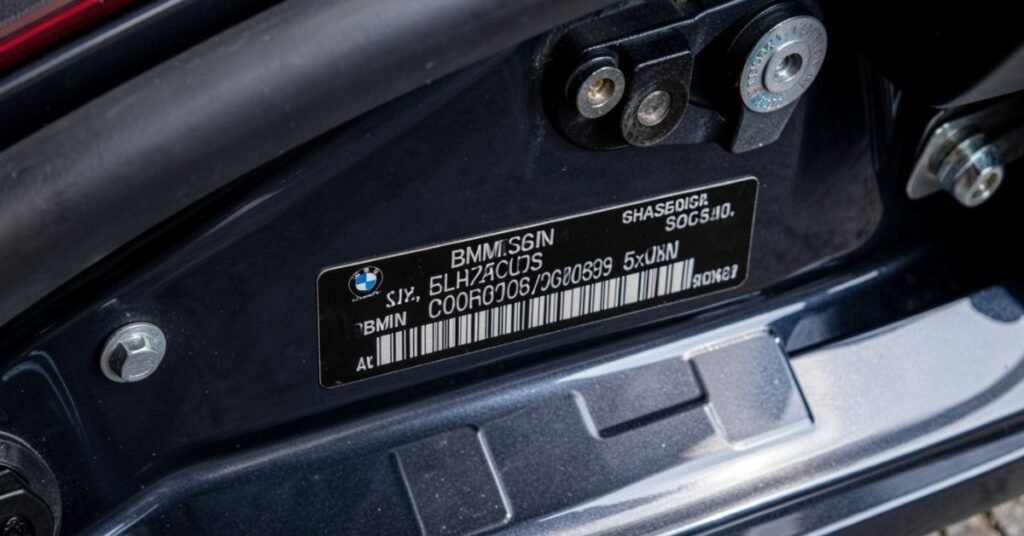
The letters and numbers identify the vehicle’s development series or platform. For example, E46 identifies a generation of the BMW 3 Series, while G20 identifies the 3 Series sedan from a newer generation. Different body styles and related models can have different chassis codes.
Understanding the BMW chassis code makes it easier to identify the correct vehicle when researching specifications, parts, maintenance information, or repair guides. Always match the chassis code with the model, year, and body style to get accurate information.
E, F, and G Codes
BMW has used different chassis code series to identify its vehicle development generations. The E series covers many older BMW models, including the E30 3 Series, E36 3 Series, E39 5 Series, and E46 3 Series. These codes are commonly used when identifying older BMW vehicles and their parts.
The F series was introduced for newer generations and includes models such as the F30 3 Series, F10 5 Series, and F15 X5. These vehicles introduced newer platforms, engines, technology, and safety features compared with many earlier E-series models.
The G series represents newer BMW generations and includes the G20 3 Series, G30 5 Series, and G05 X5. These models use newer vehicle platforms and feature modern technology, infotainment, and driver-assistance systems. The exact features and specifications vary by model year and market.
Finding Your BMW Chassis Code
Finding your BMW chassis code is simple. You can check your vehicle documents, owner’s manual, or service records. Many BMW owners also know their chassis code based on the model and production year.
You can also use your Vehicle Identification Number (VIN). Many online BMW VIN decoders can identify your chassis code in seconds. This is one of the easiest ways to confirm your vehicle generation.
If you are still unsure, look at the information sticker on the driver’s door or in the engine bay. You can also ask a BMW dealer or a trusted repair shop for help. Knowing the correct chassis code makes maintenance and parts selection much easier.
BMW Chassis Code List
BMW has used different chassis codes to identify its vehicle generations and development series. These codes help distinguish one generation from another and can be useful when researching specifications, maintenance information, and compatible parts.
The table below shows common BMW chassis codes from the 3 Series, 5 Series, 7 Series, X5, X6, and Z4. Production years can vary slightly by market and body style, so the chassis code should be checked together with the model year and vehicle version.
Table
| Chassis Code | BMW Model | Generation | Production Years |
|---|---|---|---|
| E21 | 3 Series | 1st Generation | 1975–1983 |
| E30 | 3 Series | 2nd Generation | 1982–1994 |
| E36 | 3 Series | 3rd Generation | 1990–2000 |
| E46 | 3 Series | 4th Generation | 1997–2006 |
| E90/E91/E92/E93 | 3 Series | 5th Generation | 2004–2013 |
| F30/F31/F34 | 3 Series | 6th Generation | 2011–2019 |
| G20/G21 | 3 Series | 7th Generation | 2018–Present |
| E12 | 5 Series | 1st Generation | 1972–1981 |
| E28 | 5 Series | 2nd Generation | 1981–1988 |
| E34 | 5 Series | 3rd Generation | 1988–1996 |
| E39 | 5 Series | 4th Generation | 1995–2004 |
| E60/E61 | 5 Series | 5th Generation | 2003–2010 |
| F10/F11 | 5 Series | 6th Generation | 2010–2017 |
| G30/G31 | 5 Series | 7th Generation | 2017–2023 |
| E23 | 7 Series | 1st Generation | 1977–1986 |
| E32 | 7 Series | 2nd Generation | 1986–1994 |
| E38 | 7 Series | 3rd Generation | 1994–2001 |
| E65/E66 | 7 Series | 4th Generation | 2001–2008 |
| F01/F02 | 7 Series | 5th Generation | 2008–2015 |
| G11/G12 | 7 Series | 6th Generation | 2015–2022 |
| G70 | 7 Series | 7th Generation | 2022–Present |
| E53 | X5 | 1st Generation | 1999–2006 |
| E70 | X5 | 2nd Generation | 2006–2013 |
| F15 | X5 | 3rd Generation | 2013–2018 |
| G05 | X5 | 4th Generation | 2018–Present |
| E71 | X6 | 1st Generation | 2008–2014 |
| F16 | X6 | 2nd Generation | 2014–2019 |
| G06 | X6 | 3rd Generation | 2019–Present |
| E85/E86 | Z4 | 1st Generation | 2002–2008 |
| E89 | Z4 | 2nd Generation | 2009–2016 |
| G29 | Z4 | 3rd Generation | 2018–Present |
These chassis codes provide a quick way to distinguish major BMW generations. However, BMW uses different codes for different body styles and variants, so the chassis code alone may not identify every detail of a vehicle. For parts or maintenance work, confirm the model, production year, engine, and body style before choosing a component.
Common Code Mistakes
Many people confuse a BMW chassis code with a VIN. However, they are not the same. A chassis code identifies the vehicle generation, while a VIN is a unique number assigned to each car.
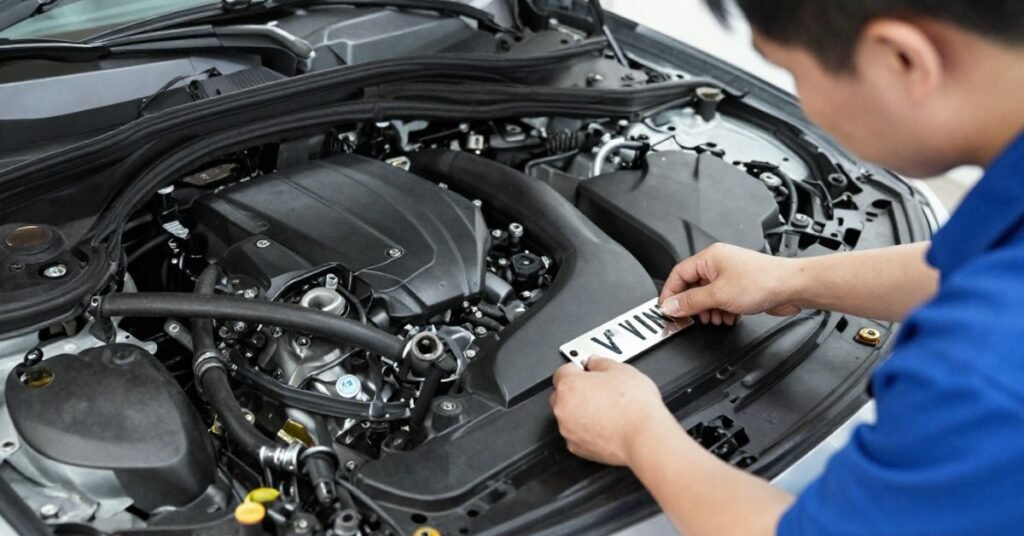
Another common mistake is assuming all cars in the same series share the same chassis code. For example, different generations of the BMW 3 Series use different codes such as E46, F30, and G20. Checking the model year helps you identify the correct code.
Some owners also use the wrong chassis code when ordering parts. This can lead to parts that do not fit properly. Always confirm your chassis code before buying replacement parts or accessories.
Chassis Code vs VIN
A BMW chassis code identifies a specific BMW model generation, while a Vehicle Identification Number (VIN) identifies one individual vehicle. The chassis code is shared by many cars in the same generation. In contrast, every VIN is unique and contains detailed information about a single BMW.
Here are the main differences between a chassis code and a VIN:
- Chassis Code: Identifies the BMW generation or platform.
- VIN: Identifies one specific vehicle.
- Chassis Code: Usually looks like E46, F30, or G20.
- VIN: A 17-character combination of letters and numbers.
- Chassis Code: Used for model identification and parts compatibility.
- VIN: Used for registration, ownership records, recalls, and vehicle history.
Using Codes for BMW Parts
Using the correct BMW chassis code helps you buy the right parts for your vehicle. Many BMW models look similar but use different components. The chassis code makes it easier to match parts with your exact model.
Most online parts stores and repair shops ask for the chassis code before suggesting replacement parts. This reduces the risk of ordering the wrong item. It also saves time, money, and effort during repairs.
Always check your chassis code before buying parts or accessories. Compare it with the product details to confirm compatibility. This simple step helps ensure a proper fit and keeps your BMW running smoothly.
BMW Chassis Code Tips
Always confirm your BMW chassis code before ordering parts or accessories. A small mistake can lead to parts that do not fit. Checking the code first saves time and money.
Keep a record of your chassis code with your vehicle documents. This makes it easy to find when you need repairs or maintenance. It is also helpful when selling your BMW or requesting technical support.
If you are unsure about your chassis code, use a trusted BMW VIN decoder or ask a BMW dealer for help. Double-check the code before making any purchase. Taking a few extra minutes can prevent costly mistakes later.
BMW Chassis Code Essentials
A BMW chassis code is one of the easiest ways to identify a BMW generation. It helps you understand the vehicle’s platform and design. This information is useful for owners, buyers, and repair shops.
Learning the chassis code makes BMW ownership easier. It helps you find the correct parts, read repair guides, and compare different models. It also reduces confusion between similar BMW vehicles.
Keep your BMW chassis code handy for future reference. Check it whenever you buy parts, schedule repairs, or research your vehicle. Knowing this simple code can save time, reduce errors, and help you care for your BMW with confidence.
Conclusion
Understanding the BMW chassis code makes owning or buying a BMW much easier. It helps you identify your vehicle’s generation, choose the right parts, and avoid costly mistakes. It is a simple code, but it provides valuable information about your car.
Whether you own a classic E Series or a modern G Series BMW, knowing the chassis code is always useful. It helps with maintenance, repairs, and future upgrades. By using the correct chassis code, you can keep your BMW in better condition and make smarter decisions.
FAQs
1. What is a BMW chassis code?
A BMW chassis code identifies a specific BMW generation or platform. It helps owners find accurate model information and parts.
2. How can I find my BMW chassis code?
You can find it through your VIN, vehicle documents, service records, or BMW online VIN decoder tools.
3. What is the difference between a chassis code and VIN?
A chassis code shows the BMW model generation, while a VIN identifies one specific vehicle.
4. Why is a BMW chassis code important for parts?
It helps you choose the correct parts and accessories that match your exact BMW model.
5. What do BMW E, F, and G codes mean?
E, F, and G codes represent different BMW generations. For example, E46, F30, and G20 are codes for different 3 Series generations.