BMW Wheels: Types, Designs, and Performance Benefits
BMW wheels are an important part of every BMW vehicle. They support the tires and help the car move safely. They also improve handling, comfort, and overall performance. BMW offers different wheel designs and sizes for different driving needs.
The right wheels can completely change how your BMW looks and drives. They can make your car feel more stable, improve cornering, and even increase fuel efficiency. However, choosing the wrong wheels can affect ride quality and safety.
This guide explains the different types of BMW wheels, their designs, and their performance benefits. You will also learn about wheel materials, sizes, fitment, maintenance, common problems, and buying tips. By the end, you will know how to choose the best BMW wheels for your vehicle.
BMW Wheels Styles
BMW wheels come in many styles to match different models and driving needs. Some have simple designs for everyday use. Others feature sporty or luxury looks that improve the car’s appearance. The right style can make your BMW stand out on the road.
Popular BMW wheel styles include multi-spoke, split-spoke, double-spoke, and Y-spoke designs. Each style offers a unique look. Some focus on elegance, while others highlight performance. BMW also offers special M wheels with a more aggressive design.
Wheel style is not only about appearance. It can also affect airflow, brake cooling, and overall driving performance. Therefore, choosing the right style helps you enjoy both better looks and a better driving experience.
BMW Wheels by Size
BMW wheels come in different sizes to fit different models. Common sizes include 17-inch, 18-inch, 19-inch, 20-inch, and 21-inch wheels. Each size offers a different balance of comfort, handling, and appearance.
Smaller wheels usually provide a smoother ride and lower tire costs. Larger wheels give the car a sportier look and improve cornering. However, they may create a firmer ride and can cost more to replace.
Always choose the wheel size recommended for your BMW model. The correct size keeps the speedometer accurate and supports safe handling. It also helps protect the suspension and improves overall driving performance.
Wheel Materials Explained
BMW wheels are made from different materials. The most common options are steel and aluminum alloy. Some high-performance wheels use forged aluminum for extra strength and lower weight. Each material has its own advantages.
Steel wheels are strong and affordable. They work well in winter and on rough roads. Alloy wheels are lighter and more stylish. They also improve handling and help cool the brakes more effectively.
Forged wheels offer the best performance because they are both light and durable. However, they usually cost more than other options. Therefore, you should choose a wheel material that matches your driving style, budget, and daily needs.
Choosing the Right BMW Wheels
Choose BMW wheels that match your car model and the manufacturer’s specifications. Check the wheel size, bolt pattern, offset, and load rating before buying. This helps ensure a safe and proper fit.
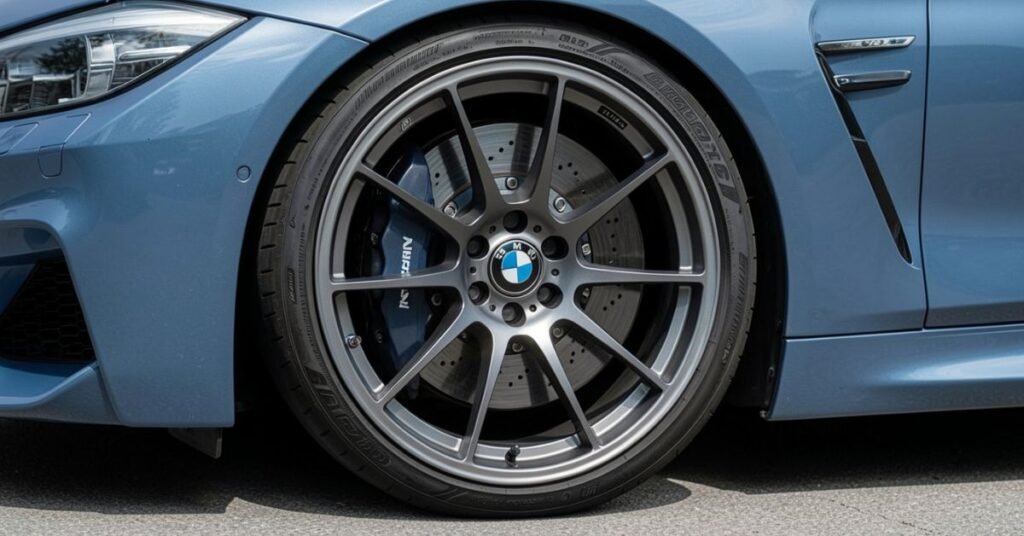
Think about how you use your BMW every day. Smaller wheels offer a smoother ride and lower tire costs. Larger wheels provide a sportier look and better handling, but they can make the ride firmer.
Also, consider your budget and driving needs. OEM wheels offer reliable quality and perfect fitment. Aftermarket wheels give you more style and customization options. Therefore, compare your choices carefully before making a final decision.
OEM vs Aftermarket BMW Wheels
OEM (Original Equipment Manufacturer) BMW wheels are made to match your vehicle perfectly. They provide the correct fit, reliable quality, and factory-tested performance. Aftermarket wheels come from other manufacturers and offer more designs, sizes, and customization options.
Choose OEM wheels if you want a simple replacement with guaranteed compatibility. Choose aftermarket wheels if you want a unique look or improved performance. Before buying, always check the wheel size, bolt pattern, offset, and load rating.
OEM BMW Wheels
- Perfect fit for your BMW
- Factory-tested quality
- Reliable performance and durability
Aftermarket BMW Wheels
- More styles and finishes
- Wider range of sizes
- Better customization options
- Performance upgrades on selected models
BMW 437M Wheels
BMW 437M wheels are one of the most popular M Performance wheel designs. They were introduced on models like the BMW M3 and BMW M4. These wheels have a sporty look and help improve the car’s overall appearance.
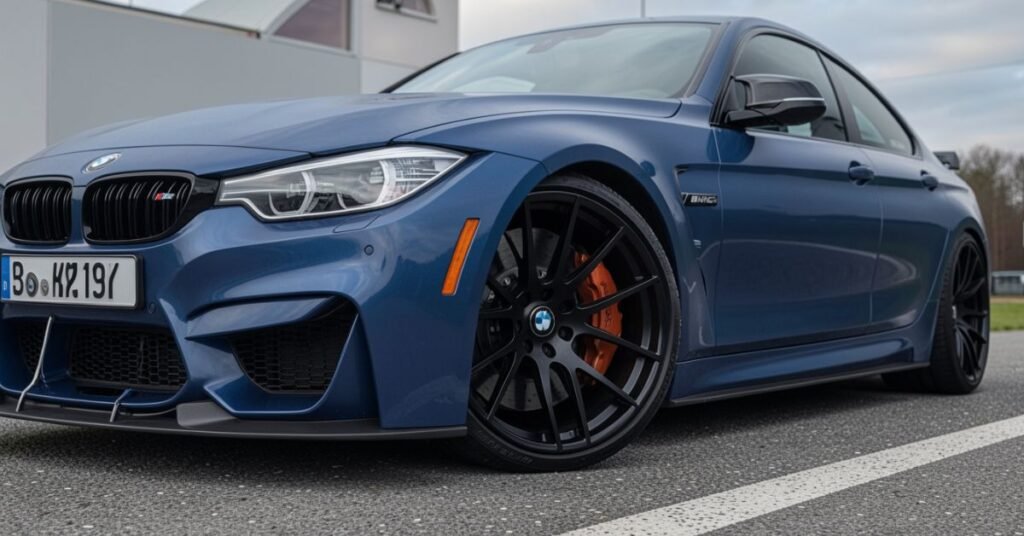
The 437M wheels are made from lightweight alloy. Their lower weight can improve handling and steering response. They also allow better airflow to the brakes, which helps with cooling during spirited driving.
Many BMW owners choose 437M wheels for both style and performance. They are available in different finishes, including black and silver. Before buying a set, make sure the wheels match your BMW’s size and fitment requirements.
Types of BMW Wheels
BMW offers different types of wheels for different driving needs. Some wheels focus on strength, while others improve performance or appearance. Therefore, choosing the right type depends on your budget, driving style, and BMW model.
Each wheel type has its own advantages. Steel wheels are affordable and durable. Alloy and forged wheels are lighter and improve handling. Flow-formed and multi-piece wheels offer a balance of performance, style, and customization.
| Wheel Type | Material | Best For | Main Benefits | Estimated Price (USD) |
| Steel Wheels | Steel | Winter driving | Strong, durable, and affordable | $100–$200 each |
| Cast Alloy Wheels | Aluminum Alloy | Daily driving | Lightweight and stylish | $180–$400 each |
| Forged Wheels | Forged Aluminum | Performance driving | Very light and extremely strong | $600–$1,500 each |
| Flow-Formed Wheels | Aluminum Alloy | Sport driving | Stronger and lighter than cast wheels | $300–$700 each |
| Multi-Piece Wheels | Aluminum (2 or 3 pieces) | Custom builds | Premium design and repairable | $800–$2,000 each |
| M Performance Wheels | Aluminum Alloy | BMW M models | Sporty design and better handling | $700–$1,500 each |
| Split-Spoke Wheels | Aluminum Alloy | Luxury and sport models | Modern appearance and brake cooling | $350–$900 each |
| Double-Spoke Wheels | Aluminum Alloy | Everyday use | Balanced style and performance | $300–$800 each |
| Y-Spoke Wheels | Aluminum Alloy | Premium BMW models | Elegant design and lightweight | $400–$1,000 each |
| Turbine-Style Wheels | Aluminum Alloy | Electric BMW models | Better aerodynamics and efficiency | $500–$1,200 each |
BMW Wheels Fitment Guide
Proper wheel fitment is important for safety and performance. Every BMW model has specific wheel requirements. You should check the wheel size, bolt pattern, offset, and center bore before buying new wheels.
The correct fitment improves handling, braking, and ride comfort. It also prevents rubbing against the tires or suspension parts. Therefore, always use wheels that match your BMW’s factory specifications.
If you plan to install larger or wider wheels, make sure they are compatible with your vehicle. You may also need the correct tire size to maintain proper clearance. Checking fitment before purchase helps you avoid costly mistakes and ensures a smooth driving experience.
BMW Wheels Care Tips
Clean your BMW wheels regularly to remove dirt, brake dust, and road salt. Use a wheel cleaner that is safe for the wheel finish. Then, wash them with a soft brush or microfiber cloth to avoid scratches.
Check your wheels for cracks, bends, or curb damage from time to time. Also, keep your tires inflated to the correct pressure. This helps protect the wheels and improves driving performance.
Apply a wheel sealant or protective coating to keep the finish looking new. Rotate your tires as recommended to promote even wear. Regular care extends the life of your BMW wheels and keeps them in excellent condition.
BMW Rims
BMW rims play an important role in both style and performance. They support the tires and enhance the vehicle’s overall appearance. BMW offers rims in different sizes, finishes, and designs to suit various models.
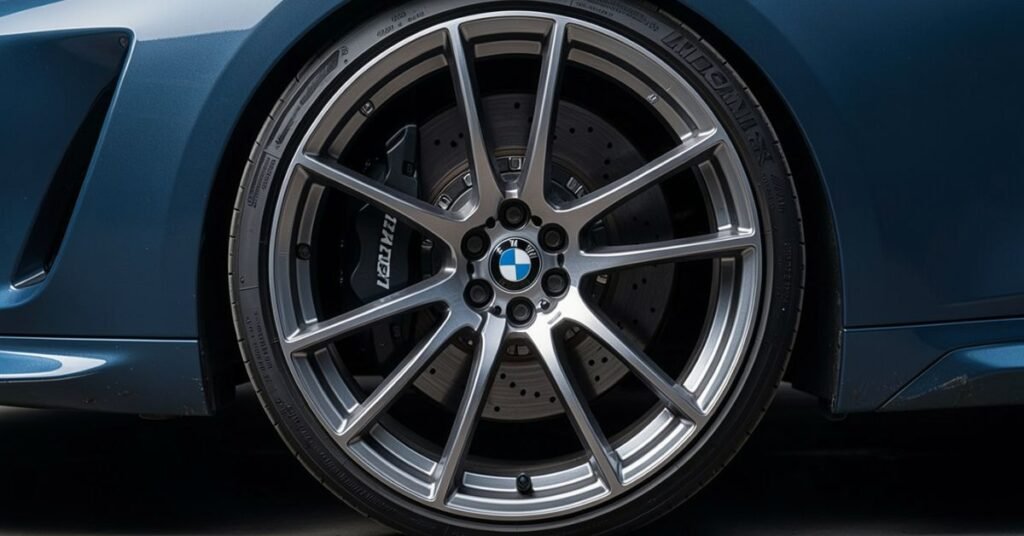
Most BMW rims are made from lightweight aluminum alloy. These rims improve handling and help reduce the vehicle’s overall weight. They also provide better brake cooling and a smoother driving experience.
When buying BMW rims, choose the correct size and fitment for your vehicle. OEM rims offer perfect compatibility, while aftermarket rims provide more design options. Properly fitted rims improve safety, comfort, and long-term performance.
Common Wheel Problems
BMW wheels can develop problems over time. Potholes, rough roads, and curbs can bend or crack the wheels. These issues may affect handling and make driving less comfortable.
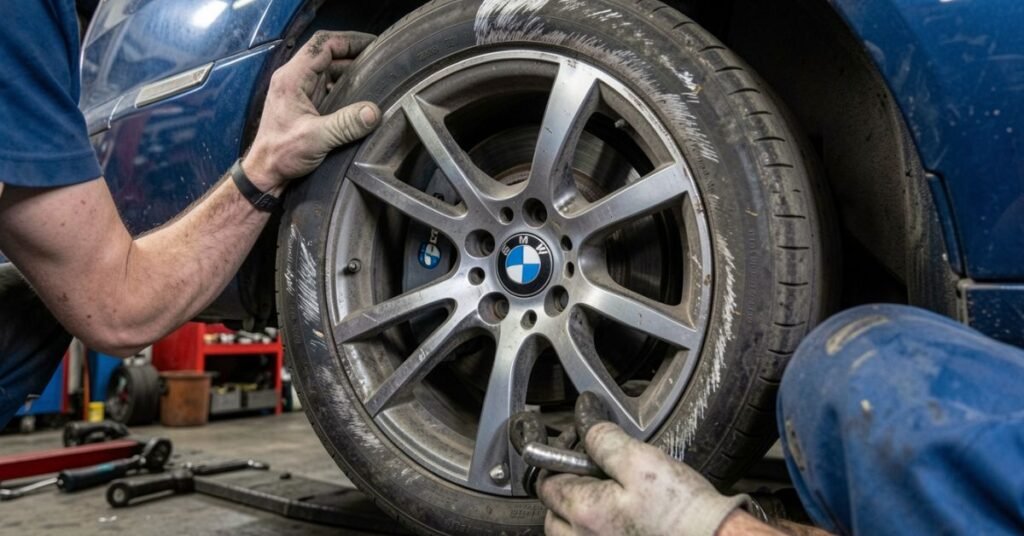
Scratches and curb rash are also common. Brake dust, dirt, and road salt can damage the wheel finish if they are not cleaned regularly. In addition, corrosion may appear on older wheels or those exposed to harsh weather.
Inspect your BMW wheels often for signs of damage. Fix small problems early to prevent bigger repairs later. Regular maintenance and careful driving help keep your wheels in good condition and improve overall safety.
Best Wheels for BMW Models
The best BMW wheels depend on your vehicle and driving style. Smaller BMW models often perform well with 17-inch or 18-inch alloy wheels. Larger SUVs and M models usually look and perform better with 19-inch, 20-inch, or 21-inch wheels.
OEM BMW wheels are a great choice for most drivers. They provide the correct fit, reliable quality, and balanced performance. M Performance wheels are ideal if you want a sportier look and sharper handling.
Before buying new wheels, check your BMW’s recommended size and fitment. Choose a design that matches your car and your daily driving needs. The right wheels improve comfort, safety, and the overall driving experience.
BMW Wheels Price
The price of BMW wheels depends on the wheel type, size, material, and brand. The most affordable option is steel wheels. Alloy, forged, and M Performance wheels usually cost more because they offer better performance and design.
New OEM BMW wheels typically cost between $300 and $1,500 per wheel. Aftermarket alloy wheels usually range from $180 to $800 per wheel. Premium forged wheels can cost $600 to $2,000 or more per wheel, depending on the brand and finish.
You can save money by buying a complete wheel set instead of individual wheels. However, always choose wheels that match your BMW’s specifications. Investing in high-quality wheels improves safety, durability, and overall driving performance.
BMW Wheels Buying Tips
Buy BMW wheels that match your vehicle’s factory specifications. Check the wheel size, bolt pattern, offset, and center bore before making a purchase. This helps ensure a safe and proper fit.
Think about your driving habits and budget. Alloy wheels are a good choice for daily driving because they are lightweight and stylish. Forged wheels are better for high-performance driving, but they usually cost more.
Always buy from a trusted seller or authorized dealer. Inspect the wheels for damage before installation and confirm that they are genuine if you choose OEM wheels. Comparing different options helps you find the best value for your money.
Conclusion
BMW wheels do more than improve the look of your car. They also affect handling, comfort, and safety. Choosing the right size, material, and design helps your BMW perform at its best. Regular cleaning and proper maintenance also keep your wheels in excellent condition.
Before buying new wheels, compare your options carefully and make sure they fit your BMW model. Whether you choose OEM or aftermarket wheels, quality should always come first. The right set of BMW wheels will improve your driving experience and add long-lasting value to your vehicle.
FAQs
1. What are BMW wheels made of?
BMW wheels are commonly made from aluminum alloy. Some models also use steel or forged aluminum for extra strength and performance.
2. Can I install aftermarket BMW wheels?
Yes, you can install aftermarket wheels if they match your BMW’s size, bolt pattern, offset, and load rating.
3. What is the best wheel size for a BMW?
The best size depends on your BMW model. Most drivers choose 17-inch to 19-inch wheels for a good balance of comfort and performance.
4. How often should I clean BMW wheels?
Clean your BMW wheels every few weeks or whenever they become dirty. Regular cleaning removes brake dust and helps protect the wheel finish.
5. Are OEM BMW wheels better than aftermarket wheels?
OEM wheels offer a perfect factory fit and reliable quality. Aftermarket wheels provide more style options and performance upgrades for some drivers.