BMW xDrive is BMW’s intelligent all-wheel-drive system. It sends power to the wheels that need the most grip. This helps improve traction on wet, snowy, or uneven roads. It also makes driving more stable and confident in different weather conditions.
Many drivers choose BMW xDrive because it offers better control without sacrificing performance. Whether you drive in the city or on rough roads, this system can improve your driving experience. It is designed to react quickly when road conditions change.
In this guide, you will learn how BMW xDrive works and why it is important. We will cover its main features, benefits, common problems, maintenance tips, and the BMW models that use it. By the end, you will have a clear understanding of whether BMW xDrive is the right choice for your driving needs.
What Is BMW xDrive?
BMW xDrive is BMW’s intelligent all-wheel-drive system. It sends engine power to all four wheels when needed. The system changes power distribution automatically. This helps the car maintain better grip on different road surfaces.
BMW first introduced xDrive to improve safety and performance. It works with other driving systems to detect wheel slip. When one wheel loses traction, xDrive quickly sends more power to the wheels with better grip. This happens in a fraction of a second.
BMW xDrive is available in many BMW sedans, SUVs, and performance models. It is useful in rain, snow, mud, and rough roads. However, it also improves stability on dry roads during fast cornering. This makes driving more confident, comfortable, and enjoyable.
How It Works
BMW xDrive uses sensors to monitor wheel speed, steering angle, throttle input, and road conditions. It checks this information many times every second. The system quickly detects when a wheel starts to lose grip.

When traction changes, xDrive automatically adjusts how engine power is shared between the front and rear wheels. It sends more power to the wheels with better grip. As a result, the vehicle stays stable and is easier to control on slippery or uneven roads.
BMW xDrive also works with the stability control and traction control systems. Together, they improve handling during turns, acceleration, and braking. The adjustments happen automatically, so the driver does not need to switch the system on or off.
Key Features
BMW xDrive provides intelligent all-wheel drive that adjusts power automatically. It reacts quickly when road conditions change. As a result, the vehicle gains better traction and stability. The system works smoothly without any driver input.
Another key feature is its ability to improve handling during cornering. It balances power between the front and rear wheels as needed. This helps the car stay steady through sharp turns. It also gives the driver more confidence behind the wheel.
BMW xDrive works together with traction control and stability control systems. This improves safety on wet, snowy, and uneven roads. In addition, the system is available on many BMW sedans, SUVs, and performance models. It offers a comfortable and secure driving experience in all seasons.
BMW xDrive Benefits
BMW xDrive can improve traction on wet, snowy, icy, or loose surfaces by distributing engine power between the front and rear wheels when needed. This can help reduce wheel slip and provide more predictable control in changing road conditions. However, actual traction also depends on the tires, road surface, and driving conditions.
The system can also support handling during cornering and acceleration. By adjusting power between the axles, xDrive can help the vehicle maintain stability when road grip changes. On uneven or slippery surfaces, this can make the vehicle feel more controlled and confident.
For everyday driving and longer trips, xDrive offers added traction without requiring the driver to manually switch between drive modes in normal conditions. Its benefits can be especially useful in areas with frequent rain, snow, or poor road surfaces. However, xDrive does not replace proper tires or safe driving practices.
xDrive vs RWD vs FWD
BMW xDrive is an all-wheel-BMW xDrive is an all-wheel-drive (AWD) system that can distribute engine power between the front and rear wheels when additional traction is needed. Rear-Wheel Drive (RWD) sends power to the rear wheels, while Front-Wheel Drive (FWD) sends power to the front wheels. Each system offers different driving characteristics, so the right choice depends on the vehicle, road conditions, and personal preferences.
- BMW xDrive: Provides additional traction on wet, snowy, or slippery roads and can help manage changing road grip.
- RWD: Offers a balanced driving feel and is commonly used in BMW models designed with a focus on rear-wheel-drive dynamics.
- FWD: Can provide practical traction for everyday driving and is commonly used in vehicles designed around efficiency and interior space.
xDrive can be useful for drivers who regularly face changing weather or slippery road conditions. RWD may appeal to drivers who prefer a traditional rear-wheel-drive driving feel, while FWD can suit practical daily driving needs. Tire quality, vehicle design, maintenance, and local road conditions also affect the overall driving experience.
BMW xDrive Models
BMW offers xDrive all-wheel drive on a wide range of sedans, SUVs, coupes, and electric vehicles. Depending on the model, xDrive can improve traction by distributing power between the front and rear axles when additional grip is needed. Availability, engine choices, and features vary by model year, trim, and market.
The table below lists selected BMW models available with xDrive and their approximate starting prices in the USA. Prices are estimates and can change with model year, optional equipment, destination charges, and other fees. Buyers should check the latest manufacturer pricing for the exact configuration.
| BMW Model | Vehicle Type | Engine / Powertrain | Drive Type | Approx. Starting Price (USD) |
| BMW 230i xDrive Gran Coupe | Sedan | 2.0L Turbo I4 | AWD | $41,000 |
| BMW 330i xDrive | Sedan | 2.0L Turbo I4 | AWD | $49,000 |
| BMW M340i xDrive | Sports Sedan | 3.0L Turbo I6 | AWD | $63,000 |
| BMW 430i xDrive Coupe | Coupe | 2.0L Turbo I4 | AWD | $52,000 |
| BMW M440i xDrive Coupe | Coupe | 3.0L Turbo I6 | AWD | $67,000 |
| BMW 530i xDrive | Sedan | 2.0L Turbo I4 | AWD | $61,000 |
| BMW 740i xDrive | Luxury Sedan | 3.0L Turbo I6 | AWD | $98,000 |
| BMW 840i xDrive Coupe | Luxury Coupe | 3.0L Turbo I6 | AWD | $94,000 |
| BMW X1 xDrive28i | Compact SUV | 2.0L Turbo I4 | AWD | $42,000 |
| BMW X2 xDrive28i | Compact SUV | 2.0L Turbo I4 | AWD | $44,000 |
| BMW X3 xDrive30i | SUV | 2.0L Turbo I4 | AWD | $51,000 |
| BMW X4 xDrive30i | SUV Coupe | 2.0L Turbo I4 | AWD | $56,000 |
| BMW X5 xDrive40i | Mid-Size SUV | 3.0L Turbo I6 | AWD | $69,000 |
| BMW X6 xDrive40i | SUV Coupe | 3.0L Turbo I6 | AWD | $75,000 |
| BMW X7 xDrive40i | Full-Size SUV | 3.0L Turbo I6 | AWD | $85,000 |
| BMW XM | Performance SUV | Plug-in Hybrid V8 | AWD | $161,000 |
| BMW i4 xDrive40 | Electric Gran Coupe | Dual Electric Motors | AWD | $63,000 |
| BMW i5 xDrive40 | Electric Sedan | Dual Electric Motors | AWD | $71,000 |
| BMW i7 xDrive60 | Electric Luxury Sedan | Dual Electric Motors | AWD | $125,000 |
| BMW iX xDrive50 | Electric SUV | Dual Electric Motors | AWD | $88,000 |
Actual pricing and specifications may differ by model year and market. Some models may also offer multiple xDrive variants, so buyers should confirm the engine, equipment, and price for the specific vehicle they are considering.
BMW xDrive Problems
BMW xDrive is a reliable system, but it can develop problems over time. Worn transfer cases are one of the most common issues. Some drivers also experience drivetrain warning lights or unusual noises. These problems often appear after high mileage or poor maintenance.
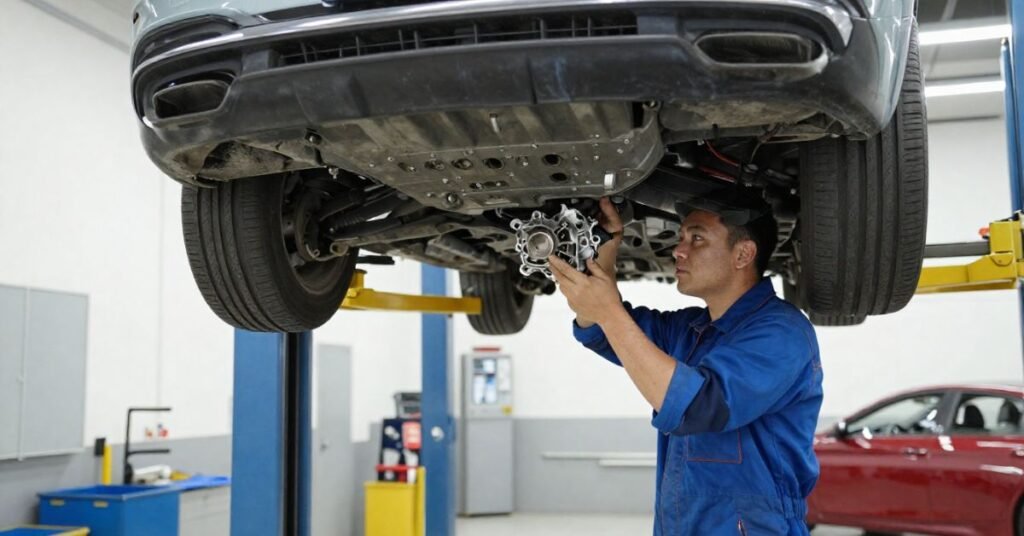
Uneven tire wear can also affect the xDrive system. Since all four wheels work together, different tire sizes or worn tires may cause extra stress on the drivetrain. In addition, faulty wheel speed sensors or damaged actuators can lead to traction and stability problems. Early diagnosis helps prevent costly repairs.
Regular maintenance keeps BMW xDrive working properly. Always use matching tires with the correct pressure and tread depth. Replace worn parts on time and follow BMW’s service schedule. As a result, the system can provide smooth performance and reliable traction for many years.
Maintenance Tips
Regular maintenance helps keep the BMW xDrive system in good condition. Follow the service schedule recommended by BMW. Check the transfer case, differential, and drivetrain during routine inspections. This helps detect small problems before they become expensive repairs.
Always use four matching tires with the same size and similar tread depth. Keep the tire pressure at the recommended level. Rotate the tires regularly to reduce uneven wear. As a result, the xDrive system works more efficiently and lasts longer.
Replace transfer case and differential fluids when recommended. Listen for unusual noises and pay attention to warning lights on the dashboard. In addition, fix any drivetrain issues as soon as possible. Proper care improves performance, safety, and the overall life of the BMW xDrive system.
Repair Cost
BMW xDrive repair costs depend on the problem and the model. Small repairs, such as replacing a wheel speed sensor, usually cost $150 to $500. Transfer case fluid service often costs $200 to $400. Regular maintenance can help avoid larger repair bills.
Major repairs are more expensive. Replacing a transfer case may cost $2,000 to $4,000. Differential repairs usually range from $800 to $2,500. If several drivetrain parts need replacement, the total cost can be even higher.
Repair prices also vary by location, labor rates, and the parts used. Choosing genuine BMW parts often improves long-term reliability. In addition, fixing problems early can reduce repair costs and prevent damage to other xDrive components.
xDrive Reliability
BMW xDrive is known for its strong reliability when it is maintained properly. The system is built to handle different road and weather conditions. It provides consistent traction and stable performance for daily driving. Many owners use xDrive for years without major problems.
Like any mechanical system, xDrive needs regular care. Routine fluid changes, tire maintenance, and timely inspections help keep it in good condition. Ignoring warning signs or skipping maintenance can lead to expensive repairs. Therefore, following the recommended service schedule is important.
Overall, BMW xDrive is a dependable all-wheel-drive system. It performs well in rain, snow, and dry conditions. In addition, it improves both safety and driving confidence. With proper maintenance, xDrive can deliver reliable performance over a long service life.
Buying Guide
Choose a BMW xDrive model that matches your driving needs. If you drive in snow or heavy rain, xDrive is a smart choice. Think about your budget, fuel costs, and maintenance expenses before buying. Also, compare different models and trim levels.
If you are buying a used BMW xDrive, check its service history carefully. Inspect the transfer case, differential, and tires for signs of wear. Take the car for a test drive and listen for unusual noises. In addition, make sure there are no warning lights on the dashboard.
Compare prices, features, and warranty coverage before making a decision. A certified pre-owned BMW can provide extra peace of mind. Finally, choose a well-maintained vehicle instead of focusing only on a lower price. A properly cared-for BMW xDrive will usually offer better performance and long-term reliability.
Expert Tips
Keep all four tires the same brand, size, and tread depth. Check the tire pressure every month. This helps the BMW xDrive system work correctly. It also reduces unnecessary wear on drivetrain parts.
Follow the recommended maintenance schedule for your BMW. Replace transfer case and differential fluids at the proper intervals. Pay attention to warning lights and unusual noises. Fix small problems early to avoid expensive repairs later.
Drive smoothly and avoid hard acceleration on rough roads whenever possible. Use genuine BMW parts or high-quality replacements during repairs. In addition, have the xDrive system inspected during regular service visits. Good maintenance will improve performance, safety, and the lifespan of your BMW xDrive.
Conclusion
BMW xDrive is a smart all-wheel-drive system that improves traction, stability, and driving confidence. It performs well in rain, snow, and dry conditions. In addition, it offers a balance of safety and performance for everyday driving. With proper care, it can provide reliable service for many years.
Before buying a BMW xDrive vehicle, compare different models and check the maintenance history if you are choosing a used car. Regular servicing and matching tires will help keep the system in excellent condition. By understanding how xDrive works, you can make a better buying decision and enjoy a smoother driving experience.
FAQs
1. What is BMW xDrive?
BMW xDrive is BMW’s intelligent all-wheel-drive system. It automatically sends power to the wheels with the best traction for better stability and control.
2. Is BMW xDrive always active?
Yes. BMW xDrive works automatically while you drive. It continuously adjusts power distribution without any driver input.
3. Is BMW xDrive good in snow?
Yes. BMW xDrive provides excellent grip on snowy and icy roads. It improves traction, stability, and driver confidence in winter conditions.
4. Does BMW xDrive require extra maintenance?
BMW xDrive does not require much extra maintenance. However, regular fluid checks, matching tires, and routine servicing help keep the system reliable.
5. Is BMW xDrive worth buying?
Yes, if you often drive in rain, snow, or on rough roads. It offers better traction, improved handling, and increased safety compared to two-wheel-drive systems.