The BMW dash is the dashboard display inside a BMW vehicle. It shows important driving information in one place. You can see your speed, fuel level, navigation, warning lights, and other vehicle details. Modern BMW models use digital displays that make information clear and easy to read.
A well-designed dashboard does more than show numbers. It helps you stay focused while driving. BMW has added smart technology that gives drivers quick access to useful features. Knowing how these displays work can improve both safety and comfort on the road.
This guide explains the digital display features of the BMW dash in simple terms. You will learn about its main functions, display modes, warning indicators, and customization options. It also covers common display problems and helpful tips to keep your dashboard working properly.
BMW Dash Features
The BMW dash gives drivers clear and useful information while driving. It displays speed, engine RPM, fuel level, and outside temperature. Many models also show navigation, media controls, and driving assistance alerts. The layout is clean and easy to understand.
Modern BMW dashboards use high-resolution digital screens. Drivers can switch between different display modes to match their preferences. Some models also provide real-time traffic updates, tire pressure information, and fuel economy data. These features make every drive more convenient.
The BMW dash also works with the vehicle’s infotainment system. It can display phone calls, music, and navigation directions without distracting the driver. In newer models, the dashboard responds quickly and offers smooth graphics. This creates a more comfortable and connected driving experience.
Digital Display
The digital display replaces traditional analog gauges in many modern BMW models. It uses a high-quality screen to show driving information clearly. Drivers can quickly check speed, fuel level, engine temperature, and navigation. The display remains easy to read during both day and night.
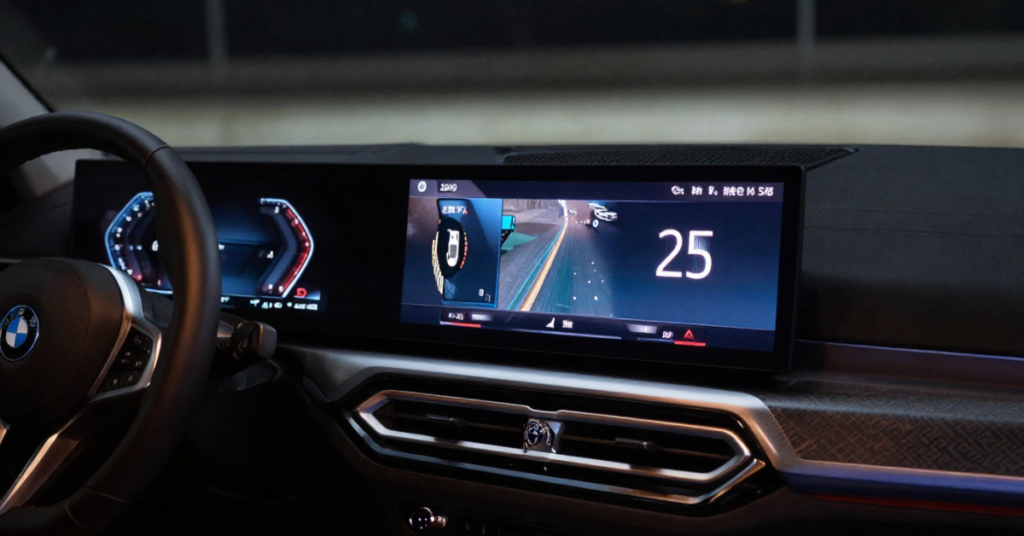
The screen changes based on the selected driving mode. For example, Sport mode highlights performance information, while Eco mode focuses on fuel efficiency. Some displays also show traffic signs, safety alerts, and driver assistance features. This helps drivers stay informed without taking their eyes off the road.
The digital display is also easy to customize. Drivers can choose different layouts and display important information first. Many BMW models allow the screen to work with the infotainment system for maps, music, and phone calls. As a result, the dashboard feels modern, smart, and easy to use.
Display Modes
BMW offers different display modes to match various driving styles. Each mode changes the look of the dashboard and highlights different information. Drivers can switch between modes using the iDrive system or driving mode controls. This makes the dashboard more useful in different situations.
Sport mode focuses on performance details. It gives more attention to speed, engine RPM, and power information. Comfort mode keeps the display simple and balanced for daily driving. Eco Pro mode highlights fuel economy and driving efficiency to help save fuel.
Some BMW models also let drivers personalize the display. They can choose what information appears on the screen and where it is shown. Navigation, media, and safety alerts can be displayed together for quick access. As a result, the dashboard becomes more convenient and easier to use.
BMW Dash Settings
The BMW dash includes several settings that improve the driving experience. Drivers can adjust the brightness, language, units, and display layout. These options are easy to access through the iDrive system or touchscreen in newer models. The settings help make the dashboard more comfortable to use.
Many BMW models allow drivers to choose which information appears on the display. You can show navigation directions, fuel economy, tire pressure, or media details. Some vehicles also let you save personal preferences to a driver profile. This makes the dashboard ready each time you start the car.
It is a good idea to review the dashboard settings from time to time. Software updates may add new features or improve existing ones. Keeping the settings updated helps the display work smoothly and accurately. As a result, you can enjoy a better and more personalized driving experience.
Warning Lights
Warning lights on the BMW dashboard help drivers detect problems early. They appear when the vehicle needs attention or maintenance. Some lights are only for information, while others warn about serious issues. Understanding these symbols can help prevent bigger repairs.
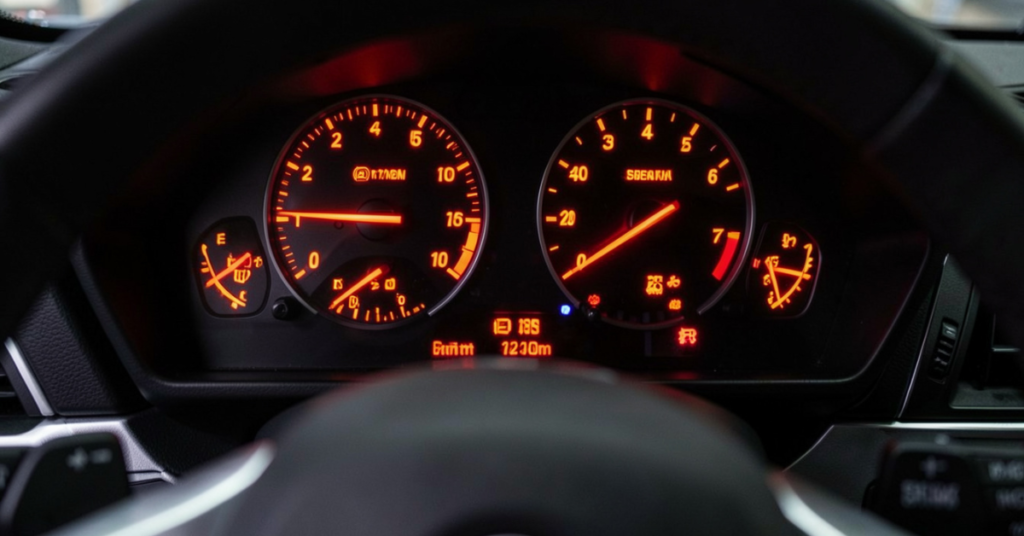
Red warning lights usually indicate problems that need immediate action. These may include low oil pressure, brake system faults, or engine overheating. Yellow or orange lights often point to maintenance needs or minor system issues. You should check these warnings as soon as possible.
Always read the warning message before continuing your trip. If a red light stays on, stop the vehicle in a safe place and inspect the problem. For yellow lights, schedule a service if the warning does not disappear. Regular maintenance helps reduce dashboard warnings and keeps your BMW running smoothly.
Common Problems
The BMW dash can develop problems over time. The display may freeze, flicker, or become slow to respond. In some cases, the screen may turn black or fail to start. These issues can affect the information shown to the driver.
Software glitches are a common cause of dashboard problems. An outdated system may lead to display errors or missing features. Low battery voltage or faulty wiring can also cause the dashboard to malfunction. Sometimes, a damaged screen or failed control module is the reason.
Regular maintenance can help prevent many dashboard issues. Keep the vehicle’s software updated whenever possible. Check the battery and electrical system if display problems appear. If the issue continues, have the BMW dash inspected by a qualified technician.
BMW Dash Reset
A BMW dash reset can fix small display problems. It may help if the screen freezes, responds slowly, or shows temporary errors. A reset does not repair damaged parts, but it can solve minor software issues. Always park the vehicle safely before starting the process.
Many BMW models allow a simple dashboard reset through the iDrive system or by using specific button combinations. The exact steps depend on the model and year. You can also restart the infotainment system if the display is not working correctly. Check your owner’s manual for the correct method.
After the reset, the dashboard should load normally. Make sure all gauges, warning lights, and display functions work as expected. If the same problem returns, update the vehicle software or visit a qualified BMW technician. This helps identify any deeper electrical or hardware issues.
BMW Dash Types
BMW offers different types of dashboard displays across its vehicle lineup. Older models use traditional analog gauges with a small information screen. Newer models feature fully digital dashboards with larger and sharper displays. The type of dashboard depends on the model, trim level, and production year.
Common BMW dash types include:
- Analog Dash – Uses classic speedometer and tachometer with a small display.
- Semi-Digital Dash – Combines analog gauges with a digital information screen.
- Fully Digital Dash – Replaces traditional gauges with a customizable digital display.
- BMW Curved Display – Combines the digital instrument cluster and infotainment screen into one curved panel.
Each dashboard type offers a different driving experience. Digital displays provide more customization and show navigation, media, and safety information in one place. Analog dashboards are simple and easy to read. Choosing the right BMW dash depends on your budget, driving needs, and preferred technology.
BMW Dash Comparison
BMW has improved its dashboard technology over the years. Older models use simple analog gauges, while newer models feature fully digital displays. Each dashboard type offers different features, screen sizes, and customization options. The best choice depends on your driving style and budget.
The table below compares the most common BMW dash types. It highlights their main features, advantages, and ideal users. This comparison makes it easier to understand the differences before buying a BMW.
| BMW Dash Type | Display Style | Screen Size | Customization | Navigation Support | Driver Assistance Display | Best For |
| Analog Dash | Traditional gauges | Small center screen | Low | Basic | Limited | Older BMW models |
| Semi-Digital Dash | Analog + digital display | Medium | Moderate | Yes | Basic alerts | Daily driving |
| Fully Digital Dash | Full digital instrument cluster | 10–12 inches | High | Advanced | Yes | Modern BMW owners |
| BMW Live Cockpit Plus | Digital cluster + infotainment | 10.25–12.3 inches | High | Advanced navigation | Yes | Mid-range BMW models |
| BMW Live Cockpit Professional | Premium digital cockpit | 12.3–14.9 inches | Very High | Real-time navigation | Full support | Luxury BMW models |
| BMW Curved Display | Curved digital screen | Up to 14.9 inches | Very High | Advanced navigation | Full support | Latest BMW vehicles |
| BMW Head-Up Display (Optional) | Projects data on windshield | N/A | Moderate | Turn-by-turn directions | Yes | Drivers who prefer eyes on the road |
Maintenance Tips
Keeping the BMW dash in good condition helps it work properly for many years. Clean the display with a soft microfiber cloth to remove dust and fingerprints. Do not use harsh chemicals or rough materials because they can damage the screen. A clean display is easier to read while driving.
Keep your BMW software updated whenever new updates are available. Software updates can improve dashboard performance and fix minor bugs. It is also important to maintain a healthy battery because low voltage can cause display problems. Regular vehicle servicing helps keep the electrical system working correctly.
Pay attention to warning lights and unusual dashboard behavior. Do not ignore a frozen screen, flickering display, or missing information. Fixing small issues early can prevent expensive repairs later. Regular care will keep your BMW dash reliable, clear, and easy to use.
Repair Costs
The cost to repair a BMW dash depends on the type of problem. Small software issues are usually the least expensive to fix. A system reset or software update may solve the issue quickly. More complex electrical or hardware faults will cost more.
Minor repairs, such as software updates or diagnostic checks, typically cost between $50 and $250. Electrical wiring repairs usually range from $100 to $500. If the dashboard display screen is damaged, replacement costs are often $500 to $1,500, depending on the BMW model.
Replacing the digital instrument cluster is the most expensive repair. It can cost between $1,000 and $3,000, including parts and labor. Regular maintenance and timely repairs can help prevent major dashboard failures. Fixing small issues early can also reduce repair costs over time.
Buying Guide
Choose a BMW dash that matches your driving needs and budget. Older BMW models usually have analog or semi-digital dashboards. Newer models come with fully digital displays and more advanced features. Think about which type will be most useful for you.
Check the dashboard carefully before buying a BMW. Make sure the display is bright, clear, and free from flickering or dead pixels. Test the touchscreen, navigation, warning lights, and steering wheel controls. Also, confirm that all dashboard functions work properly.
Ask for the vehicle’s service history and software update records. A well-maintained dashboard is less likely to develop problems later. If possible, take the car for a test drive to check the display in real driving conditions. A careful inspection can help you avoid costly repairs after purchase.
Conclusion
The BMW dash is an important part of the driving experience. It provides clear information about your vehicle and helps you stay aware of road conditions. Modern digital dashboards also offer smart features, better customization, and improved convenience for everyday driving.
Understanding your BMW dashboard makes it easier to use its features and respond to warning lights. Regular maintenance and timely repairs can keep the display working properly for years. Whether you own an older BMW or a newer model, a well-maintained dashboard adds comfort, safety, and value to every drive.
FAQs
1. What is a BMW dash?
A BMW dash is the dashboard display that shows driving information such as speed, fuel level, warning lights, navigation, and vehicle status.
2. Can I customize the BMW dash display?
Yes. Most modern BMW models let you change display layouts, brightness, and the information shown on the digital dashboard.
3. Why is my BMW dash screen not working?
The screen may stop working because of software glitches, low battery voltage, faulty wiring, or a damaged display unit.
4. How much does it cost to repair a BMW dash?
Repair costs usually range from $50 to $3,000, depending on whether the issue is software-related or requires replacing the digital instrument cluster.
5. How can I keep my BMW dash in good condition?
Clean the screen with a microfiber cloth, install software updates, maintain the battery, and address warning lights or display issues as soon as they appear.