BMW Adaptive Cruise Control is a driver assistance feature that helps control the car’s speed. It maintains a selected speed and keeps a safe distance from the vehicle ahead. The system can slow down or speed up automatically when traffic conditions change.
Long drives can become tiring, especially in heavy traffic. Drivers often need to brake and accelerate again and again. BMW Adaptive Cruise Control reduces this effort and makes driving feel smoother, calmer, and more comfortable.
This guide explains how BMW Adaptive Cruise Control works, the sensors it uses, and its main features. It also covers its benefits, different types, pricing, safety limits, and use in stop-and-go traffic.
How BMW Adaptive Cruise Control Works and Why Drivers Want It
BMW Adaptive Cruise Control uses sensors and cameras to watch the traffic ahead. The driver selects a preferred speed and following distance. The system then helps maintain both while the vehicle is moving.
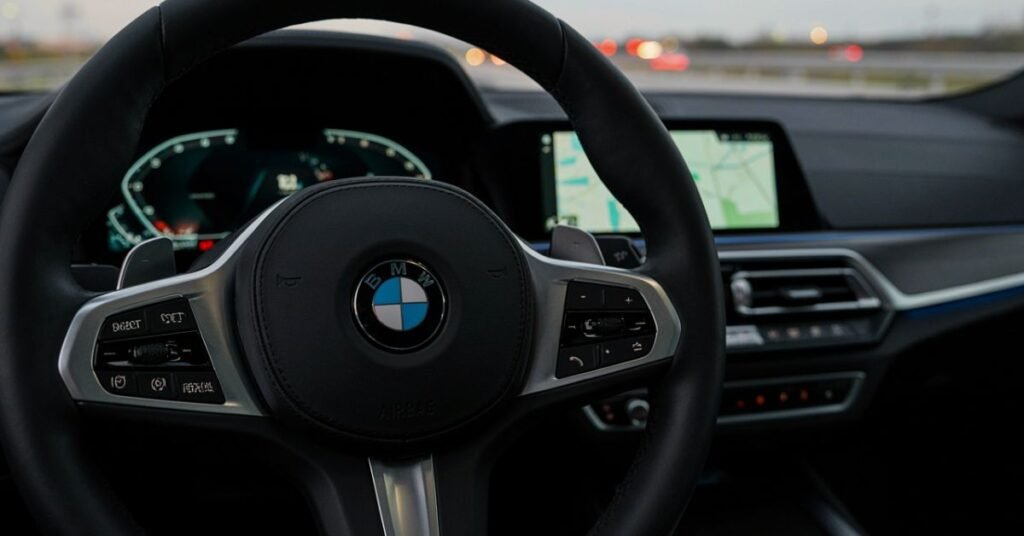
When the car ahead slows down, the BMW system reduces speed automatically. It may apply the brakes gently to keep a safe gap. When the road becomes clear, the vehicle speeds up again to the selected limit.
Drivers want this feature because it makes long journeys and heavy traffic less tiring. It reduces the need to brake and accelerate repeatedly. It can also make driving feel smoother, safer, and more comfortable.
What Is BMW Adaptive Cruise Control?
BMW Adaptive Cruise Control is a driver assistance system. It helps the car maintain a selected speed. It also keeps a set distance from the vehicle ahead.
The system uses cameras, radar sensors, or both to monitor traffic. When the car ahead slows down, the BMW reduces its speed. When the road clears, it can accelerate again.
This feature is designed to reduce driver effort on highways and busy roads. It makes repeated braking and acceleration less tiring. However, the driver must stay alert and remain in control at all times.
The History of BMW Adaptive Cruise Control
BMW introduced Active Cruise Control in 2000. It was designed mainly for motorways and other high-speed roads. The early system controlled speed and maintained a set distance from the vehicle ahead.
BMW continued to improve the technology over the following years. By 2007, the company offered Active Cruise Control with a Stop & Go function. This allowed the system to work more effectively in slow and changing traffic.
Modern BMW systems are more advanced. They can work with steering, lane guidance, speed-limit information, and other driver assistance features. These improvements have made adaptive cruise control more useful for both highway driving and everyday traffic.
How Traditional Cruise Control Works
Traditional cruise control keeps the car at a speed chosen by the driver. The driver presses a button to set the speed. The system then maintains that speed without using the accelerator pedal.
The system is most useful on open highways. It helps reduce foot fatigue during long trips. It can also support smoother and more consistent driving.
Traditional cruise control does not monitor traffic ahead. It will not slow down when another vehicle gets closer. The driver must brake, change speed, and stay fully alert.
What BMW Adaptive Cruise Control Adds
BMW Adaptive Cruise Control adds more intelligence to standard cruise control. It not only maintains a selected speed. It also monitors the vehicle travelling ahead.
The system can reduce speed when traffic slows down. It keeps a set following distance and can accelerate again when the road clears. This reduces the need for constant braking and acceleration.
Some BMW systems can also work in slow traffic. They may bring the vehicle to a stop and start moving again. These features make driving more comfortable and less tiring.
What Is BMW Active Cruise Control?
BMW Active Cruise Control is another name used for BMW’s adaptive cruise control system. It helps maintain a selected driving speed. It can also keep a suitable distance from the vehicle ahead.
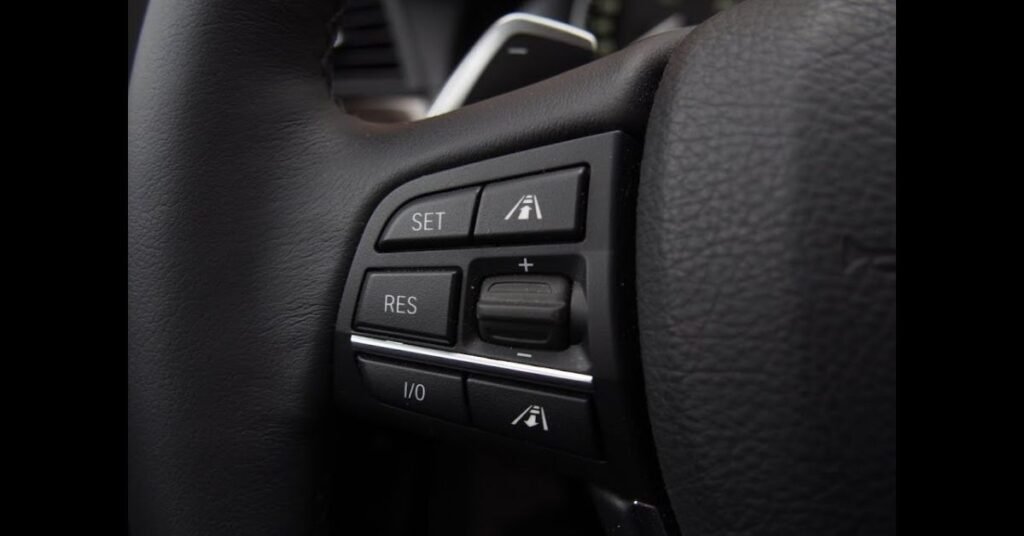
The system uses sensors to monitor traffic in front of the car. It can slow the BMW down when another vehicle gets closer. It can then increase the speed again when the road becomes clear.
Active Cruise Control can make highway driving more relaxing. Some versions also support braking and acceleration in slow traffic. However, the driver must remain alert and ready to take control.
The Sensors That Power BMW Adaptive Cruise Control
BMW Adaptive Cruise Control uses sensors to watch the road ahead. Depending on the model, it may use radar, cameras, or both. These sensors detect nearby vehicles and measure the distance between them.

The radar sensor can track the speed and position of the vehicle in front. Cameras can help identify lane markings, road signs, and other objects. The system processes this information while the car is moving.
The sensors help the BMW respond when traffic conditions change. The system can slow down when another vehicle gets closer. It can also accelerate again when a safe distance becomes available.
BMW Adaptive Cruise Control in Stop-and-Go Traffic
BMW Adaptive Cruise Control can help in slow and heavy traffic. It adjusts the car’s speed as vehicles move forward or slow down. This reduces the need to press the brake and accelerator repeatedly.
Some BMW systems can bring the vehicle to a complete stop. The car may start moving again when traffic begins to flow. In some situations, the driver may need to confirm the restart.
This feature can make busy journeys less tiring. It helps maintain a safe distance from the vehicle ahead. However, the driver must stay alert and be ready to take control.
How BMW Adaptive Cruise Control Works with Other Safety Systems
BMW Adaptive Cruise Control can work with other driver assistance features. These may include lane departure warning, steering support, and forward collision warning. Together, they help the driver respond to changing road conditions.
The system may also work with automatic emergency braking. If a vehicle ahead slows down suddenly, the car can warn the driver. It may apply the brakes when quick action is needed.
Some BMW models combine these features in a wider driving assistance package. This can make highway driving smoother and less tiring. However, the driver must remain alert and keep control of the vehicle.
Types of BMW Adaptive Cruise Control
BMW offers several versions of adaptive cruise control. The exact name and features depend on the model, model year, country, and selected package. In the United States, BMW also uses the name Distance Control for this technology on many newer models.
Basic versions manage speed and following distance. More advanced systems can stop the car in traffic, move forward again, and work with steering assistance. Drivers should check the equipment list for their specific BMW because these features are not standard on every model.
| BMW system or package | Main function | Automatic braking | Stop-and-go support | Steering assistance | Best use | Important detail |
| Traditional Cruise Control | Maintains the speed selected by the driver | No | No | No | Open highways | It does not automatically maintain a distance from traffic ahead. |
| Active Cruise Control | Maintains a selected speed and following distance | Yes | Depends on the version | No | Highways and open roads | BMW describes it as automatic distance adjustment using sensors. |
| Distance Control | Controls speed and maintains a selected distance | Yes | Model dependent | No | Highways and changing traffic | BMW USA uses this name for Active Cruise Control on many vehicles from model year 2024 onward. |
| Active Cruise Control with Stop & Go | Adjusts speed, slows the vehicle, and can bring it to a stop | Yes | Yes | No | Heavy traffic and long journeys | It uses cameras and radar to measure the distance from the vehicle ahead. |
| Driving Assistant Plus | Combines adaptive speed control with additional driving assistance features | Yes | Yes | Available on some versions | Highways and regular traffic | Features can include Active Cruise Control with Stop & Go and Speed Limit Assistant. |
| Driving Assistant Professional | Combines distance control with more advanced lane and steering support | Yes | Yes | Yes | Long highway journeys and traffic | The system may help keep the BMW in its lane while maintaining distance. Availability varies by vehicle. |
| Traffic Jam Assistant | Supports driving in slow traffic on suitable roads | Yes | Yes | Yes | Congested controlled-access highways | It normally works only under certain road and traffic conditions. |
BMW Adaptive Cruise Control Pricing
BMW Adaptive Cruise Control does not have one fixed price. The cost depends on the model, model year, country, and selected package. On many BMW vehicles, it comes as part of a larger driver assistance package.
In the United States, Active Cruise Control with Stop & Go is not sold as a separate ConnectedDrive upgrade. It may be included with Driving Assistant Plus or Driving Assistance Professional on eligible vehicles. Package prices can vary between BMW models.
Some compatible BMWs may allow the feature to be activated through the ConnectedDrive Store. Drivers must sign in to see availability and pricing for their specific vehicle. It is also helpful to check the BMW configurator or ask a local dealer for the latest cost.
What Drivers Should Know Before Using BMW Adaptive Cruise Control
BMW Adaptive Cruise Control is a driver assistance feature. It does not replace the driver. You must keep your eyes on the road and remain ready to brake or steer.
The system may not work well in heavy rain, snow, fog, or bright sunlight. Dirt, ice, or damage can also block the sensors and cameras. Check that these areas are clean before driving.
Drivers should learn how to set the speed and following distance correctly. Use a larger gap in poor weather or heavy traffic. Always follow road rules and take control when conditions become unsafe.
How Important Is Adaptive Cruise Control in a BMW?
Adaptive Cruise Control is not essential for every BMW driver. However, it can make daily driving easier. It is especially useful on highways and long journeys.
The system reduces the need to brake and accelerate again and again. This can lower driver fatigue in heavy traffic. It also helps maintain a steady distance from the vehicle ahead.
For drivers who travel often, this feature can be very valuable. It adds comfort, convenience, and extra support. Still, the driver must remain alert and ready to take control.
Why BMW Adaptive Cruise Control Is Becoming a Must-Have Feature
BMW Adaptive Cruise Control makes driving more comfortable. It automatically adjusts speed when traffic changes. This reduces the need for constant braking and acceleration.
Modern roads are often busy and stressful. This feature can make long trips and daily commutes less tiring. It also helps drivers maintain a steady distance from the vehicle ahead.
Many buyers now expect advanced driver assistance in a premium car. Adaptive Cruise Control adds convenience, safety support, and value to a BMW. For frequent drivers, it is becoming an important feature.
What We Love About BMW Adaptive Cruise Control
BMW Adaptive Cruise Control makes long drives feel more relaxing. It manages speed and following distance automatically. This reduces the need for constant pedal use.
The system responds smoothly when traffic slows down or speeds up. It is especially useful on highways and busy roads. Stop-and-go support can also make daily commuting less tiring.
We also like how the feature works with other BMW safety systems. It adds comfort without taking full control away from the driver. The driver remains responsible and must stay alert.
Conclusion
BMW Adaptive Cruise Control makes driving easier and more comfortable. It can maintain speed, adjust to traffic, and keep a set distance from the vehicle ahead. This is helpful on highways, long trips, and busy roads.
The feature adds convenience and reduces driver effort. However, it is only a support system. Drivers must stay alert, watch the road, and be ready to take control at any time.
FAQs
1. What is BMW Adaptive Cruise Control?
BMW Adaptive Cruise Control maintains a selected speed and following distance. It can slow down or accelerate as traffic changes.
2. Does BMW Adaptive Cruise Control work in traffic?
Some versions include Stop & support. They can slow the vehicle, bring it to a stop, and move forward again when traffic starts.
3. Is BMW Adaptive Cruise Control standard?
It is not standard on every BMW. Availability depends on the model, model year, trim, and driver assistance package.
4. Can BMW Adaptive Cruise Control prevent accidents?
The system can support safer driving, but it cannot prevent every accident. The driver must stay alert and be ready to brake or steer.
5. Is BMW Adaptive Cruise Control worth it?
It can be worth having for frequent highway driving and daily commuting. It reduces driver effort and makes long journeys more comfortable.