A BMW diagnostic tool is a device or software used to check the health of a BMW car. It connects to the vehicle’s system and reads data from different parts. It can find faults, show error codes, and help understand what is wrong. This tool is useful for both basic and advanced car checks.
Car problems can be hard to detect without the right tool. A small issue can turn into a big repair if ignored. That is why many BMW owners use diagnostic tools to stay ahead. It helps save time, reduce stress, and avoid costly repairs.
These tools come in different types and features. Some are simple for home use, while others are more advanced for professionals. They can scan systems, clear codes, and even reset certain functions. Overall, they make car maintenance easier and more efficient.
What Is a Diagnostic Tool
A diagnostic tool is a device or software that checks a car’s condition. It connects to the car’s system to read information. It can find problems and show error codes. This helps you understand what is wrong with the vehicle.
Modern cars have many sensors and electronic systems. A diagnostic tool reads data from these systems. It can check the engine, brakes, transmission, and more. This makes it easier to detect issues quickly.
People use diagnostic tools to save time and money. Instead of guessing the problem, they get clear details. Some tools are simple for home use. Others are advanced and used by professional mechanics.
Key Features to Check in Diagnostic Tools
A good diagnostic tool should be easy to use. It should connect quickly to your car and show clear results. Fast scanning is important because it saves time. The screen or app should be simple to read and understand.
You should also look for useful functions. A reliable tool does more than just read codes. It helps you fix problems and maintain your car. Some tools work with mobile apps, which makes them more convenient.
Important features to check:
- Reads and clears error codes
- Live data monitoring
- Wide compatibility with car models
- User-friendly interface
- Regular software updates
- Bluetooth or wireless connection
Why BMW Needs Diagnostics
BMW cars use advanced technology and many electronic systems. These systems control the engine, brakes, and safety features. Because of this, problems are not always easy to see. A diagnostic check helps find hidden issues quickly.
Small faults can turn into big problems if ignored. Diagnostics help detect issues at an early stage. This allows you to fix them before they become costly. It also keeps the car running smoothly and safely.
Regular diagnostics also improve performance and fuel efficiency. The system can show if something is not working properly. This helps maintain the car in good condition. It also increases the life of your BMW.
Types of Tools
There are various diagnostic tools used for cars. Each type has its own purpose and level of features. Some are simple for basic checks, while others are advanced for professional use. Choosing the right one depends on your needs and skill level.
These tools help in reading car data, finding faults, and fixing issues. Some are handheld devices, and others work with mobile apps or laptops. Below is a simple table to help you better understand the main types.
| Type of Tool | Description | Best For | Features |
| Basic Code Reader | Reads and clears simple error codes | Beginners and home users | Simple interface, limited functions |
| OBD2 Scanner | Connects to the car’s OBD2 port | Everyday car owners | Reads codes, clears faults, and live data |
| Bluetooth Scanner | Connects with mobile apps | Tech-savvy users | Wireless connection, app control |
| Professional Scanner | Advanced diagnostic system | Mechanics and workshops | Full system scan, deep diagnostics |
| Dealer-Level Tool | Factory-level software | BMW specialists | Advanced coding, programming, and full access |
OBD2 and BMW Systems
OBD2 is a standard system used in most cars. It helps read basic engine data and error codes. BMW cars also support OBD2 for simple diagnostics. It is useful for quick and general checks.
BMW systems go beyond standard OBD2 features. They include advanced electronic control units. These systems manage engine performance, safety, and comfort features. A special BMW diagnostic tool can access these deeper systems.
Using both OBD2 and BMW systems gives full car information. OBD2 helps with basic issues, while BMW systems show detailed faults. Together, they help in better maintenance and faster repairs. This makes the car more reliable and efficient.
How to Use It
Using a diagnostic tool is simple and easy. First, locate the OBD2 port in your BMW car. It is usually found under the dashboard. Then, plug the tool into the port securely.
Next, turn on the car ignition. Open the diagnostic tool or mobile app. Wait for it to connect with the car system. The tool will start scanning all systems automatically.
After scanning, check the error codes on the screen. You can read the details or clear minor faults. Always understand the issue before making repairs. This helps keep your BMW in good condition.
Common Error Codes
A diagnostic tool shows error codes when something is wrong in the car. These codes help identify the exact problem. Each code has a specific meaning. It points to a system or part that needs attention.
Some common BMW error codes relate to the engine, sensors, or fuel system. For example, engine misfire or oxygen sensor issues are often detected. These codes help you understand what is not working properly. This makes troubleshooting easier.
It is important not to ignore error codes. Even small codes can lead to bigger problems later. Always check the meaning of the code before fixing anything. This helps you repair your BMW in the right way.
Benefits of Diagnostics
A diagnostic tool helps you find car problems quickly. It saves time because you do not need to guess the issue. You can see the exact error codes and understand the fault. This makes car repair easier and faster.
It also helps you save money. Early detection of problems prevents costly repairs later. You can fix small issues before they become serious. This keeps your BMW in better condition for longer.
Diagnostics also improve safety and performance. They ensure all systems are working properly. This gives you a smoother and safer driving experience. It also helps maintain fuel efficiency and engine health.
DIY and Professional
DIY diagnostics means checking your BMW at home. You can use a simple diagnostic tool or an OBD2 scanner. It helps you read error codes and understand basic issues. This is useful for small and quick checks.
Professional diagnostics are done by trained mechanics. They use advanced tools and software. These tools can check deep systems in the car. They also help in complex repairs and coding.
Both methods are useful in different situations. DIY is good for basic maintenance and quick checks. Professional service is better for serious or complex problems. Together, they help keep your BMW in good condition.
Best Usage Tips
Always read the user manual before using a diagnostic tool. This helps you understand the basic functions. Make sure the tool is compatible with your BMW model. Proper setup gives better and more accurate results.
Use the tool in a safe and stable condition. Turn off extra devices while scanning the car. Check error codes carefully before clearing them. Do not rush the process, as it may lead to mistakes.
Keep your diagnostic tool updated regularly. Software updates improve accuracy and performance. Also, store it in a safe place after use. This helps increase its life and reliability.
Common Mistakes
Many people use a diagnostic tool without reading instructions. This can lead to wrong results or confusion. It is important to understand how the tool works. Proper use gives more accurate information.
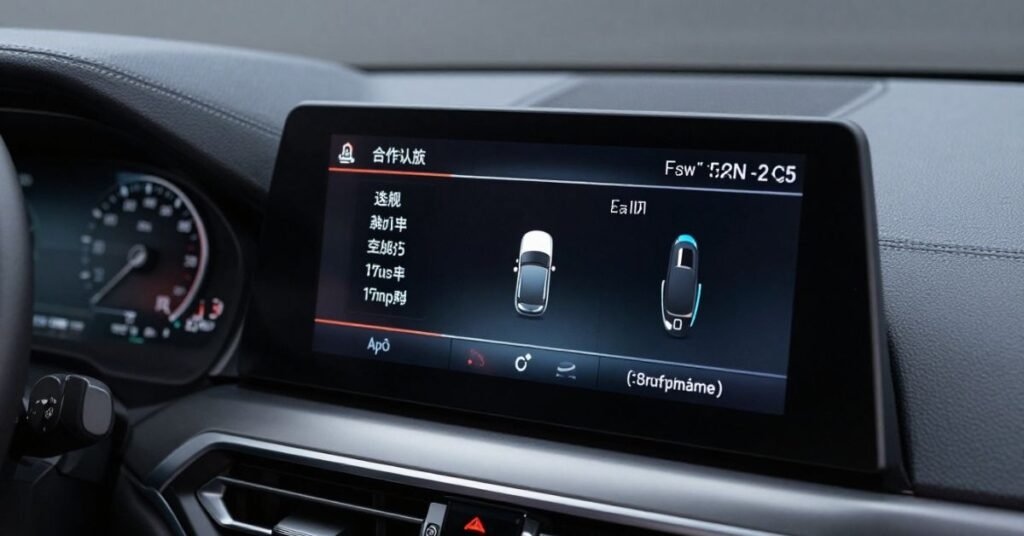
Another common mistake is ignoring error codes. Some users clear codes without checking the real problem. This can hide serious issues in the car. Always check the meaning before taking action.
People also use low-quality or incompatible tools. This can cause incorrect readings. It is better to use a reliable and suitable tool for your BMW. This ensures better safety and performance.
Maintenance Support with Diagnostic Tools
A diagnostic tool helps you with regular car maintenance. It checks the health of your BMW systems. It shows small issues before they become big problems. This makes maintenance easier and more planned.
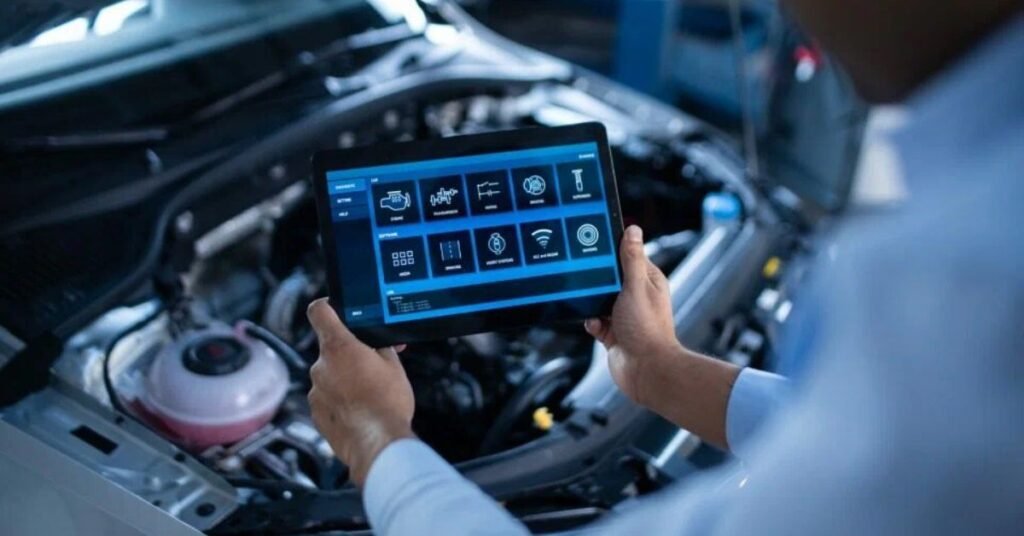
You can use it to monitor engine performance and other parts. It helps you track wear and tear over time. You can also reset service reminders after maintenance. This keeps your car updated and well-managed.
Using diagnostic tools supports long-term car care. It reduces unexpected breakdowns and repair costs. It also helps keep your BMW running smoothly. Overall, it is a useful tool for better maintenance support.
Choosing the Right BMW Diagnostic Tool
Choosing the right diagnostic tool is very important for your BMW. Not all tools offer the same features or accuracy. You should pick one that matches your car model. This ensures better results and smooth performance.
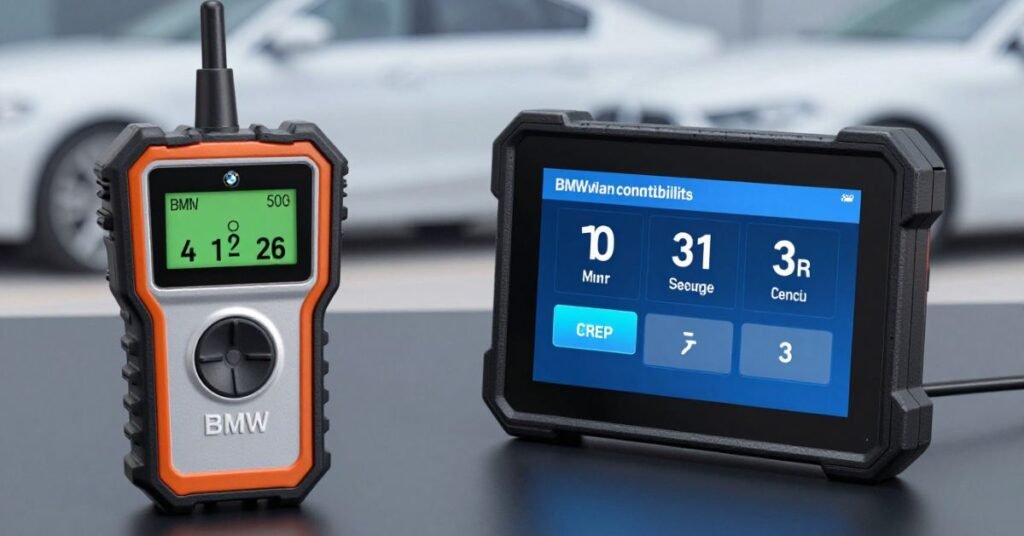
Look for a tool that is easy to use and reliable. It should read and clear error codes without confusion. Compatibility with BMW systems is also very important. Some tools also offer mobile app support for extra convenience.
Always consider your needs before buying a tool. Basic users can choose simple scanners. Professionals may need advanced systems with more functions. A good choice helps you maintain your BMW in a better way.
Conclusion
A BMW diagnostic tool is very helpful for car owners. It makes it easy to find problems in the vehicle. You can check error codes and understand what needs repair. This saves time, money, and effort.
Overall, it is a smart tool for better car care. It helps keep your BMW safe and in good condition. Regular use improves performance and reduces unexpected issues. It is a simple way to maintain your car properly.
FAQs
1. What is a BMW diagnostic tool used for?
It is used to check car problems, read error codes, and monitor vehicle systems.
2. Can I use a diagnostic tool at home?
Yes, many simple tools are designed for home use and basic car checks.
3. Does it work on all BMW models?
Most tools support many BMW models, but you should always check compatibility first.
4. Can it clear error codes?
Yes, most diagnostic tools can read and clear basic error codes from the system.
5. Is a professional tool better than a basic one?
Yes, professional tools offer more features and deeper system access than basic scanners.