Coolant fluid BMW is a special liquid that keeps your BMW engine at the right temperature. It flows through the cooling system and removes excess heat from the engine. At the same time, it helps prevent freezing, rust, and corrosion inside the system. Using the correct coolant is important for smooth and reliable engine performance.
Many BMW owners only think about coolant when a warning light appears. However, waiting too long can lead to engine overheating and costly repairs. Choosing the right coolant and checking its level regularly can help you avoid these problems. A little maintenance today can save you money later.
In this guide, you will learn everything about BMW coolant fluid. We will explain the best coolant types, how to check and replace coolant, common cooling system problems, maintenance tips, and the costs you may expect. By the end, you will know how to keep your BMW running at its best.
What Is BMW Coolant Fluid?
BMW coolant fluid is a special liquid that controls the engine’s temperature. It moves through the cooling system and carries heat away from the engine. This helps the engine stay at the correct operating temperature. It also prevents overheating during long drives.
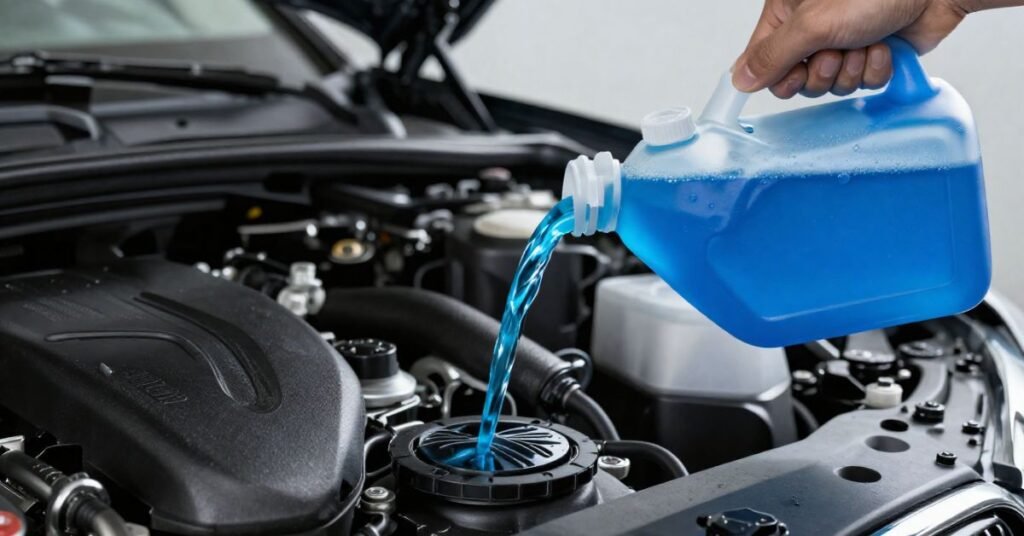
BMW coolant does more than cool the engine. It protects the cooling system from rust, corrosion, and mineral buildup. In cold weather, it keeps the liquid from freezing. In hot weather, it helps stop the engine from getting too hot.
BMW recommends using the correct coolant for each model. The wrong coolant can reduce performance and may damage cooling system parts over time. Therefore, using the proper coolant and checking it regularly helps keep your BMW running safely and efficiently.
Why It Matters
Coolant keeps your BMW engine at the right temperature. It removes extra heat while the engine is running. This helps prevent overheating and protects important engine parts. As a result, your BMW performs better in all driving conditions.
The right coolant also protects the cooling system from rust and corrosion. It keeps the radiator, water pump, and hoses in good condition. In addition, it prevents the coolant from freezing in winter and boiling in hot weather. This helps the cooling system last longer.
Ignoring coolant maintenance can lead to serious engine problems. Low or old coolant may cause overheating and expensive repairs. Therefore, checking the coolant regularly and replacing it on time is a simple way to keep your BMW reliable and efficient.
Types of Coolant Fluid BMW
BMW uses different types of coolant depending on the model and production year. Most modern BMW vehicles use a blue or green ethylene glycol-based coolant that is free from phosphates and nitrites. Older and newer models may require different coolant formulas. Therefore, always check your owner’s manual before adding or replacing coolant.
Using the correct coolant helps prevent overheating, corrosion, and damage to the cooling system. Mixing different coolant types can reduce protection and shorten the life of engine components. For the best results, use BMW-approved coolant or an equivalent product that meets BMW specifications.
| Coolant Type | Color | Best For | Main Features | Approx. Price (USD) | Approx. Price (PKR) |
| BMW Original Blue Coolant (Concentrate) | Blue | Most BMW models | OEM protection against rust, corrosion, and overheating | $30–$40 | PKR 8,500–11,500 |
| BMW HT-12 Coolant | Green | Newer BMW models | Improved heat transfer and long service life | $35–$45 | PKR 10,000–13,000 |
| HOAT Coolant | Blue/Turquoise | BMW models requiring HOAT | Excellent corrosion and freeze protection | $20–$35 | PKR 5,700–10,000 |
| OAT Coolant | Orange/Pink | BMW-compatible aftermarket use | Long-lasting organic acid formula | $18–$30 | PKR 5,100–8,500 |
| Ready-to-Use BMW Coolant | Blue/Green | Coolant top-ups | Pre-mixed and ready to pour | $18–$28 | PKR 5,100–8,000 |
| Concentrated BMW Coolant | Blue/Green | Full coolant replacement | Must be mixed with distilled water | $25–$40 | PKR 7,100–11,500 |
Prices are approximate and may vary by BMW model, country, retailer, and package size.
Choosing the Right Coolant
Choosing the right coolant is important for your BMW’s engine health. Always use a coolant that meets BMW’s recommended specifications. The correct coolant keeps the engine at the right temperature and protects the cooling system. It also helps prevent rust, corrosion, and overheating.
Check your BMW owner’s manual before buying coolant. Different BMW models and model years may require different coolant formulas. If you are unsure, choose a genuine BMW coolant or a trusted BMW-approved alternative. Never use a coolant that does not meet BMW requirements.
Do not mix different coolant types unless the manufacturer says it is safe. Mixing coolants can reduce their protective properties and damage the cooling system over time. Therefore, using the correct coolant and replacing it at the recommended interval will help your BMW perform at its best and last longer.
BMW Coolant Compatibility
BMW coolant compatibility depends on the model, engine, and production year. Not every coolant is safe for every BMW. Some older models use BMW Blue Coolant, while many newer models require BMW HT-12 Coolant. Always check your owner’s manual before adding coolant.
Using a compatible coolant protects the radiator, water pump, thermostat, and engine. It also prevents rust, corrosion, and mineral deposits inside the cooling system. In addition, the correct coolant helps the engine maintain the proper operating temperature in both hot and cold weather.
Avoid mixing different coolant types unless BMW approves it. Mixing incompatible coolants can reduce cooling performance and may damage the cooling system. Therefore, using the correct BMW-approved coolant is the safest way to keep your vehicle reliable and running smoothly.
How to Check Coolant Level
Park your BMW on a flat surface and let the engine cool completely. Never open the coolant reservoir when the engine is hot. Hot coolant is under pressure and can cause serious burns. Wait until the engine is cool before checking the level.
Open the hood and find the coolant expansion tank. Look at the MIN and MAX marks on the side of the tank. The coolant level should be between these two marks. If it is below the MIN line, add the correct BMW-approved coolant.
After adding coolant, close the reservoir cap tightly. Start the engine and check for any warning lights or coolant leaks. Also, inspect the coolant level every few weeks or before long trips. Regular checks help prevent overheating and keep your BMW running smoothly.
When to Replace It
BMW coolant does not last forever. Over time, it loses its ability to protect the engine and cooling system. Most BMW models need a coolant replacement every 3 to 5 years, depending on the model and the type of coolant used. Always follow the service schedule in your owner’s manual.
There are several signs that it is time to replace the coolant. The engine may overheat, the coolant may look dirty or rusty, or the coolant level may keep dropping. You may also notice a sweet smell or see coolant leaking under the vehicle. These signs should not be ignored.
Replace the old coolant with the correct BMW-approved coolant. Flush the cooling system if the coolant is contaminated or mixed with the wrong type. Regular coolant replacement helps prevent corrosion, improves engine performance, and extends the life of your BMW’s cooling system.
Common Problems
One common BMW coolant problem is a coolant leak. Leaks can come from the radiator, hoses, expansion tank, or water pump. A leaking system causes the coolant level to drop over time. As a result, the engine may overheat if the problem is not fixed.
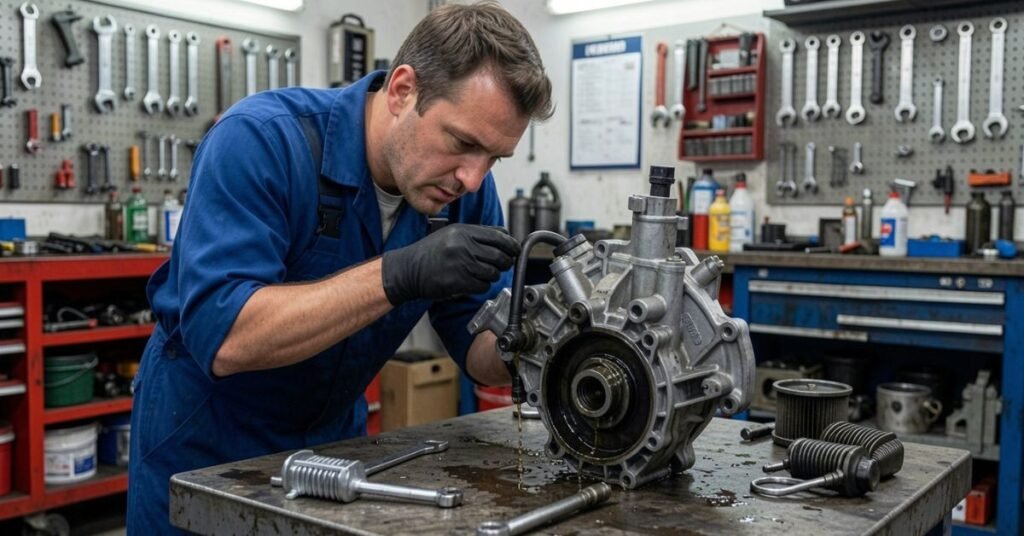
Another common issue is a faulty thermostat or water pump. A bad thermostat can stop coolant from flowing properly. A worn water pump cannot circulate coolant through the engine. Therefore, the engine may run too hot, and the temperature warning light may appear.
Old or contaminated coolant can also cause problems. It may lose its ability to protect the cooling system from rust and corrosion. In addition, mixing the wrong coolant types can reduce cooling performance and damage engine parts. Regular inspections and timely coolant replacement help prevent these issues and keep your BMW running smoothly.
Replacement Cost
The cost to replace BMW coolant depends on the model, location, and service provider. A simple coolant drain and refill usually costs $120 to $250. In Pakistan, the same service typically costs PKR 34,000 to PKR 71,000. Prices may be higher for luxury or high-performance BMW models.
If the cooling system needs a full flush, the cost will increase. A complete coolant flush generally costs $180 to $350. In Pakistan, it usually ranges from PKR 51,000 to PKR 100,000. This service removes old coolant and cleans the system before fresh coolant is added.
You can save money by replacing the coolant at the recommended service interval. Regular maintenance helps prevent expensive repairs caused by overheating or corrosion. In addition, using BMW-approved coolant protects the engine and keeps the cooling system working properly for a longer time.
BMW Coolant vs Universal Coolant
BMW coolant is made to meet BMW’s cooling system requirements. It contains special additives that protect the engine, radiator, water pump, and other cooling system parts. Universal coolant works in many vehicles, but it may not meet BMW specifications. Therefore, BMW-approved coolant is usually the safer choice.
Using the correct coolant helps your BMW maintain the right engine temperature. It also reduces the risk of corrosion, overheating, and cooling system damage. Although universal coolant may cost less, it may not provide the same level of protection. Always check your owner’s manual before choosing a coolant.
BMW Coolant
- Designed specifically for BMW vehicles.
- Meets BMW factory specifications.
- Provides excellent corrosion and freeze protection.
- Safe for aluminum engine components.
- Recommended for long-term reliability.
Universal Coolant
- Made for many vehicle brands.
- May not meet BMW coolant requirements.
- Costs less than OEM coolant.
- Can be suitable only if it matches BMW specifications.
- Mixing with BMW coolant is not recommended unless approved by the manufacturer.
Maintenance Tips
Check your BMW coolant level regularly. Inspect the coolant reservoir every few weeks or before a long trip. The coolant should stay between the MIN and MAX marks. If the level is low, add the correct BMW-approved coolant.
Replace the coolant at the recommended service interval. Old coolant loses its ability to protect the engine and cooling system. Also, inspect the radiator, hoses, water pump, and expansion tank for leaks or damage. Fix small problems early to avoid expensive repairs.
Always use distilled water when mixing concentrated coolant. Never mix different coolant types unless BMW approves it. In addition, keep the coolant reservoir cap tightly closed to maintain proper pressure. Regular maintenance helps your BMW run smoothly and prevents overheating.
Expert Cooling Tips
Always use a BMW-approved coolant that matches your vehicle’s specifications. Check the coolant level at least once a month or before long drives. Keeping the cooling system full helps the engine stay at the correct temperature. It also reduces the risk of overheating.
Inspect the cooling system for leaks during routine maintenance. Look at the radiator, hoses, expansion tank, and water pump for signs of wear. Replace damaged parts as soon as possible. Early repairs can prevent major engine problems and save money.
Flush and replace the coolant at the recommended service interval. Use distilled water when mixing concentrated coolant. In addition, keep the radiator clean so air can flow through it properly. These simple habits will improve cooling performance and help your BMW last longer.
Conclusion
Choosing the right coolant is one of the best ways to protect your BMW engine. The correct coolant helps prevent overheating, corrosion, and costly repairs. It also keeps the cooling system working efficiently in both hot and cold weather. Regular checks and timely replacement can improve your BMW’s performance and reliability.
Always follow BMW’s coolant recommendations for your specific model. Avoid mixing different coolant types unless they are approved for use together. With proper maintenance and the right coolant, your BMW can stay reliable for many years. A little care today can help you avoid major problems in the future.
FAQs
1. How often should I replace BMW coolant?
Most BMW models need a coolant replacement every 3 to 5 years. Always follow the service schedule in your owner’s manual.
2. Can I use universal coolant in my BMW?
You should only use universal coolant if it clearly meets BMW specifications. BMW-approved coolant is the safest choice.
3. What happens if my BMW coolant is low?
Low coolant can cause the engine to overheat and damage important cooling system parts. Check the coolant level regularly.
4. Can I mix different coolant types?
No. Mixing different coolant types can reduce their effectiveness and may damage the cooling system unless BMW approves the mixture.
5. What color is BMW coolant?
BMW coolant is commonly blue for older models and green (HT-12) for many newer models. Always use the coolant specified for your BMW.