The BMW 7 Series is BMW’s flagship luxury sedan. It has been setting the standard for comfort, performance, and innovation since 1977. Over the years, each generation has introduced new technology, improved design, and more powerful engine options.
From the classic E23 to the modern G70, the BMW 7 Series has changed with every generation. Some models became known for their elegant styling, while others introduced groundbreaking features like iDrive, plug-in hybrid technology, and the fully electric i7. This long history makes the 7 Series one of BMW’s most important model lines.
In this guide, you’ll explore every BMW 7 Series generation from the E23 to the latest G70. We’ll look at the key features, major updates, and how each generation helped shape BMW’s flagship luxury sedan. Whether you’re a BMW enthusiast or planning to buy a used or new 7 Series, this guide will help you understand its complete evolution.
BMW 7 Series Engine
The BMW 7 Series has offered a wide range of engine options since its launch in 1977. Early models came with smooth inline-six petrol engines. Later generations added powerful V8 and V12 engines to deliver better performance and a more refined driving experience.
As the 7 Series evolved, BMW introduced efficient diesel engines, turbocharged petrol engines, and plug-in hybrid powertrains. The latest G70 generation also includes fully electric i7 models. This wide selection allows buyers to choose between fuel efficiency, luxury, or high performance based on their needs.
BMW has continued to improve engine technology with every new generation. Features such as TwinPower Turbo, mild-hybrid systems, and advanced fuel-saving technologies have made the 7 Series more powerful and efficient. No matter the model, the BMW 7 Series is known for delivering smooth acceleration, quiet operation, and excellent driving comfort.
BMW 7 Series E23
The BMW 7 Series E23 was the first generation of the BMW 7 Series. It was produced from 1977 to 1986. BMW designed it as a premium luxury sedan with a strong focus on comfort, performance, and advanced technology. The E23 quickly became the brand’s flagship model.
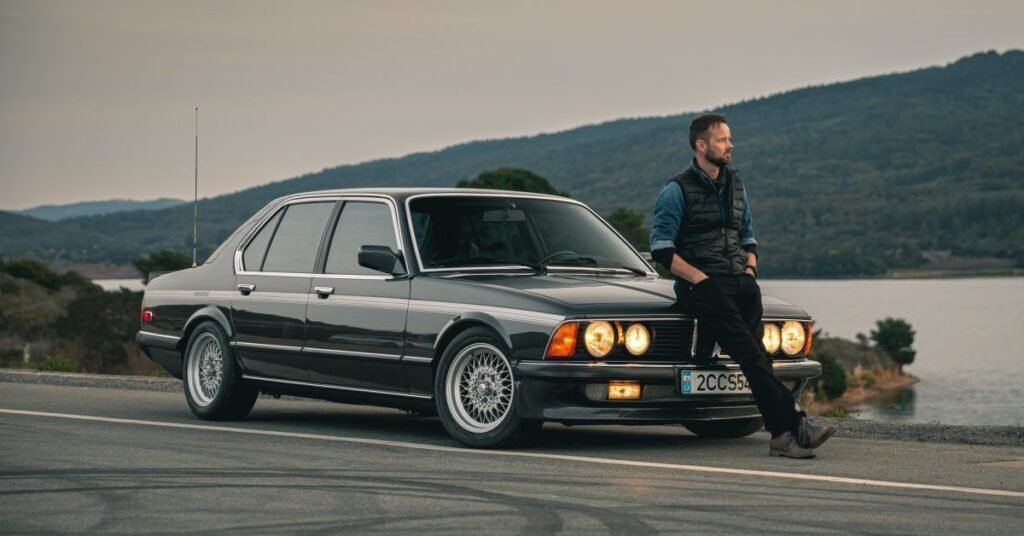
The E23 came with smooth inline-six petrol engines and offered features that were advanced for its time. Buyers could choose models like the 728i, 732i, 733i, 735i, and the turbocharged 745i. It also introduced features such as onboard diagnostics, anti-lock brakes (ABS), and electronic climate control on selected models.
Today, the BMW 7 Series E23 is a popular classic among collectors and enthusiasts. Many people admire its timeless design and comfortable driving experience. More importantly, the E23 laid the foundation for every BMW 7 Series generation that followed.
BMW 7 Series E32
The BMW 7 Series E32 was introduced in 1986 as the second generation of the 7 Series. It brought a more modern design and improved luxury compared to the E23. BMW also focused on better performance, comfort, and advanced technology for this generation.
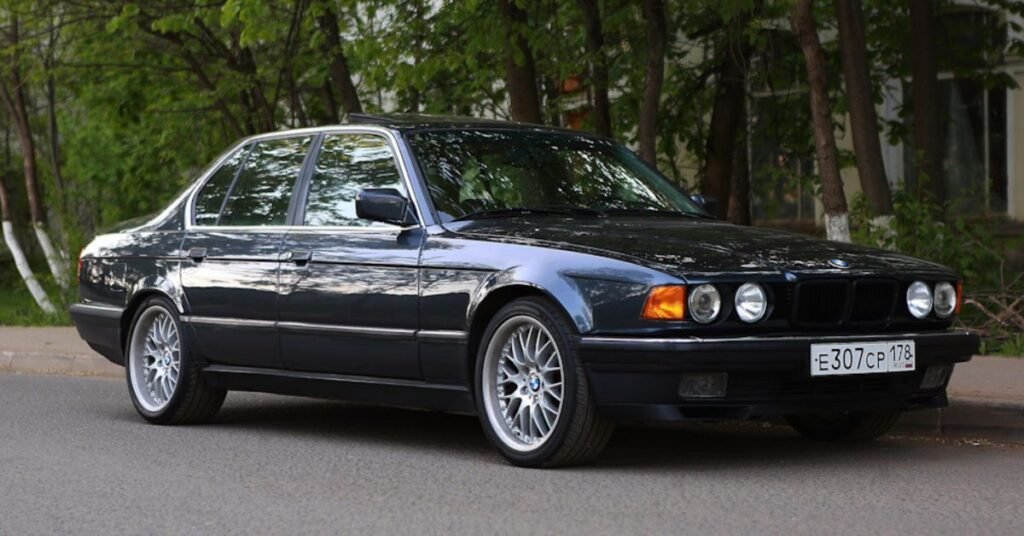
One of the biggest highlights of the E32 was the introduction of BMW’s first V12 engine in the 750i and 750iL. It was also the first 7 Series to offer a long-wheelbase version for extra rear-seat space. Other features included electronic suspension control, double-glazed windows on some models, and advanced safety equipment for its time.
Today, the BMW 7 Series E32 is known as a milestone in BMW’s history. It combined elegant styling with powerful engine options and innovative features. Many enthusiasts still appreciate the E32 for its smooth driving experience and its role in shaping future BMW flagship sedans.
BMW 7 Series E38
The BMW 7 Series E38 was introduced in 1994 as the third generation of the 7 Series. It featured a sleek and timeless design that is still admired today. BMW focused on improving comfort, performance, and driving dynamics, making the E38 one of the brand’s most respected luxury sedans.
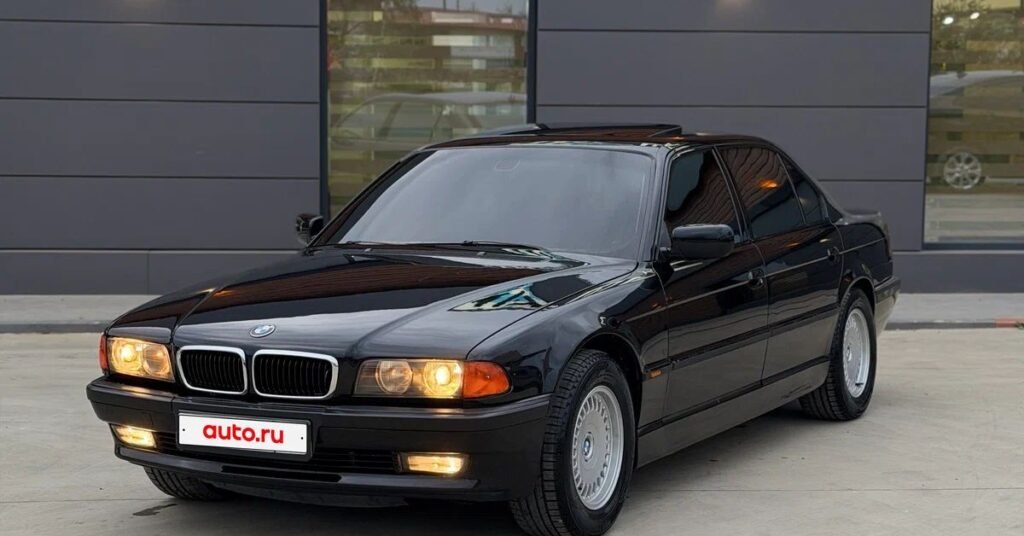
The E38 offered a wide range of petrol and diesel engines, including inline-six, V8, and V12 options. Buyers could also choose between standard and long-wheelbase models for extra rear-seat comfort. Advanced features such as satellite navigation, side airbags, and electronic stability control helped the E38 stand out in the luxury car market.
Today, many BMW enthusiasts consider the E38 one of the best 7 Series generations ever built. It is praised for its balanced handling, elegant styling, and solid build quality. The E38 remains a popular choice among collectors and drivers who appreciate classic BMW engineering.
BMW 7 Series E65/E66
The BMW 7 Series E65/E66 was introduced in 2001 as the fourth generation of the 7 Series. The E65 was the standard-wheelbase model, while the E66 was the long-wheelbase version. This generation featured a bold new design and marked a major step forward in luxury and technology.
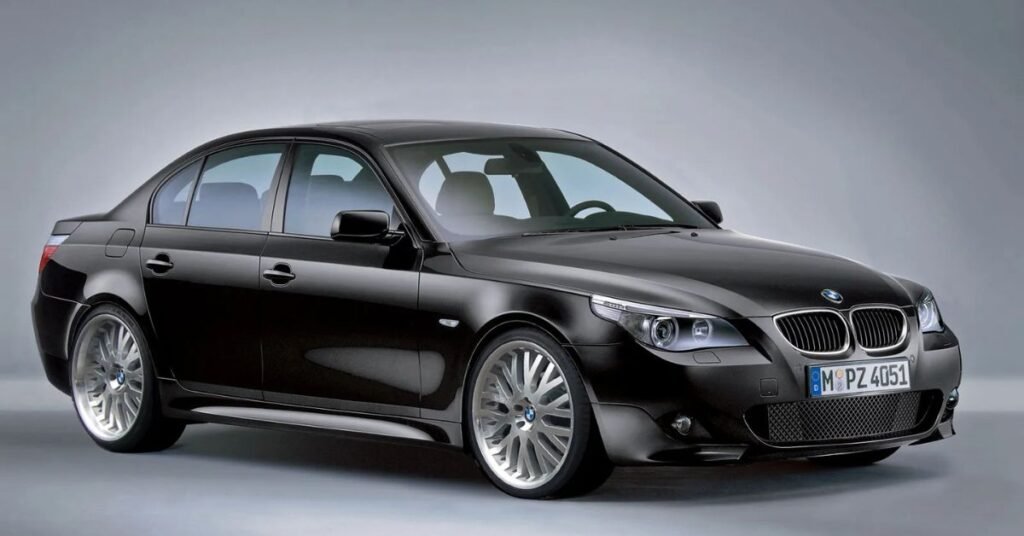
One of the biggest changes was the introduction of the iDrive infotainment system. It allowed drivers to control many vehicle functions through a single rotary controller. The E65/E66 also offered powerful inline-six, V8, and V12 engines, along with advanced features such as adaptive headlights, keyless entry, and improved driver assistance systems.
Although its design divided opinions at first, the BMW 7 Series E65/E66 became an important part of the model’s history. It introduced many technologies that later became standard across the BMW lineup. Today, it is appreciated for its comfortable ride, strong performance, and innovative features.
BMW 7 Series F01/F02/F04
The BMW 7 Series F01/F02/F04 was launched in 2008 as the fifth generation of the 7 Series. The F01 was the standard-wheelbase model, while the F02 offered a longer wheelbase for extra passenger comfort. The F04 was the ActiveHybrid 7, combining luxury with improved fuel efficiency.
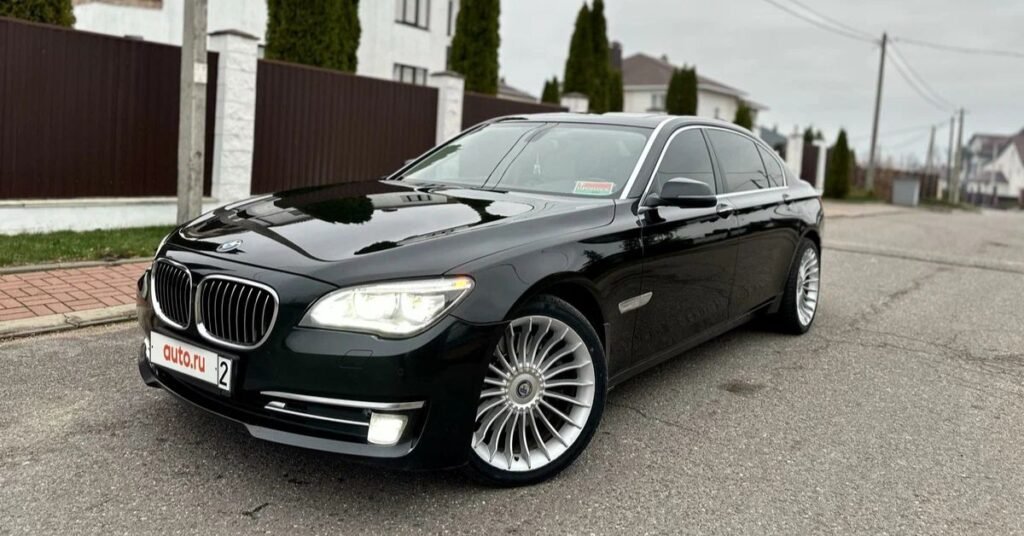
This generation featured updated styling, a high-quality interior, and many advanced technologies. Buyers could choose from turbocharged petrol, diesel, V8, and V12 engines, along with the hybrid powertrain. New features included night vision, adaptive cruise control, rear-seat entertainment, and an improved iDrive system.
The BMW 7 Series F01/F02/F04 offered a smooth ride, strong performance, and excellent comfort. It balanced luxury with modern technology better than previous generations. Today, it remains a popular choice for drivers who want a premium sedan with advanced features and refined performance.
BMW 7 Series G11/G12
The BMW 7 Series G11/G12 was introduced in 2015 as the sixth generation of the 7 Series. The G11 was the standard-wheelbase model, while the G12 offered a longer wheelbase for added rear-seat comfort. This generation focused on lightweight construction, luxury, and advanced technology.
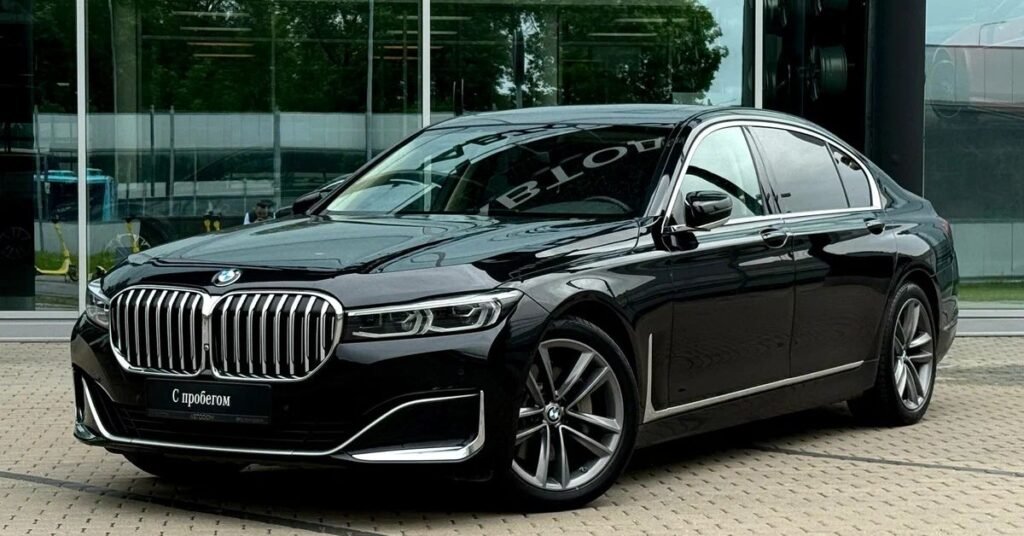
BMW used its Carbon Core construction to reduce weight and improve handling. The G11/G12 came with turbocharged petrol and diesel engines, plug-in hybrid options, and the powerful M760Li V12. It also introduced features such as Gesture Control, laser headlights, a digital instrument cluster, and advanced driver assistance systems.
The BMW 7 Series G11/G12 delivered a refined driving experience with impressive comfort and performance. It combined modern design with innovative technology to meet the needs of luxury car buyers. Today, it is known as one of the most advanced and well-balanced generations of the BMW 7 Series.
BMW 7 Series G70
The BMW 7 Series G70 is the seventh and latest generation of the BMW 7 Series. It was introduced in 2022 with a bold new design and a strong focus on luxury, technology, and sustainability. Unlike previous generations, the G70 is offered globally as a long-wheelbase model.
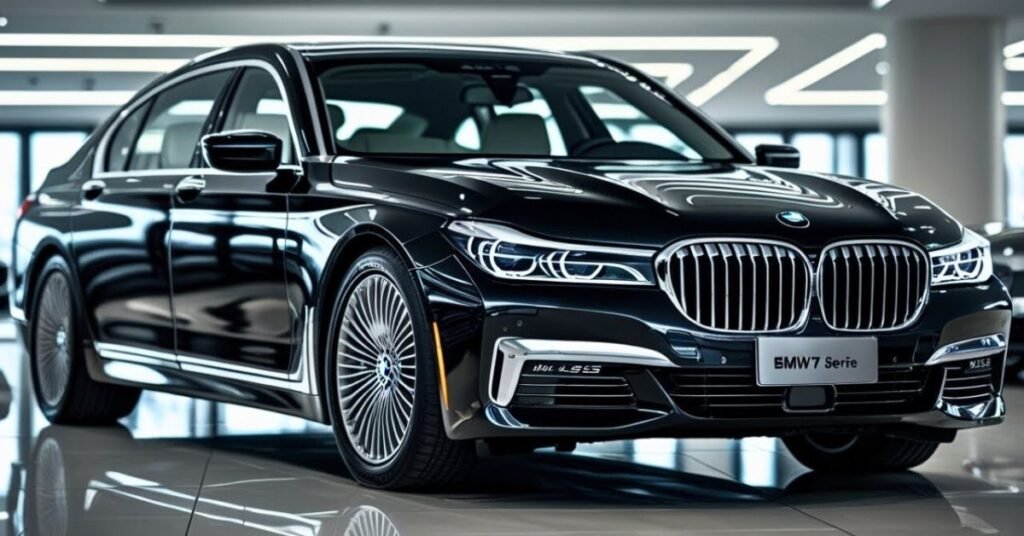
The G70 comes with a variety of powertrain options, including petrol, diesel, plug-in hybrid, and fully electric models. The electric version is called the BMW i7 and offers quiet performance with zero tailpipe emissions. Inside, the cabin features a curved display, BMW Theatre Screen, premium materials, and the latest iDrive system.
The BMW 7 Series G70 sets a new standard for the brand’s flagship sedan. It combines advanced safety features, powerful performance, and exceptional comfort in one package. Whether you choose a traditional engine or the all-electric i7, the G70 delivers a modern luxury driving experience.
Conclusion
The BMW 7 Series has come a long way since the first E23 model in 1977. Each generation introduced new technology, improved comfort, and better performance. From classic luxury sedans to today’s advanced plug-in hybrid and fully electric models, the 7 Series has continued to evolve while staying true to its premium character.
Whether you prefer the timeless styling of the E38, the innovation of the G11/G12, or the cutting-edge technology of the G70, there is a BMW 7 Series for every type of driver. Understanding each generation makes it easier to choose the right model and appreciate how BMW has shaped one of the world’s most respected luxury sedans.
FAQs
1. How many BMW 7 Series generations are there?
There are seven BMW 7 Series generations, starting with the E23 in 1977 and continuing to the current G70 generation.
2. Which BMW 7 Series generation introduced the V12 engine?
The E32 generation was the first BMW 7 Series to offer a V12 engine, making it a major milestone in BMW’s history.
3. What is the latest BMW 7 Series generation?
The latest generation is the BMW 7 Series G70, introduced in 2022 with petrol, diesel, plug-in hybrid, and fully electric i7 models.
4. Which BMW 7 Series generation is considered the most iconic?
Many enthusiasts consider the E38 to be the most iconic because of its timeless design, strong performance, and excellent build quality.
5. Does the BMW 7 Series come in an electric version?
Yes. The current G70 generation includes the fully electric BMW i7, which offers luxury, advanced technology, and zero tailpipe emissions.