The BMW 1 Series is a compact luxury car that was introduced in 2004. It became BMW’s entry-level model and offered a mix of performance, comfort, and modern technology. Over the years, the car has been available in different body styles, including hatchback, coupe, and convertible models.
Since its launch, the BMW 1 Series has gone through several generations. Each generation brought new designs, improved engines, and advanced features. As a result, the model has remained popular among drivers who want a premium driving experience in a smaller package.
This guide explores all BMW 1 Series generations from 2004 to the present day. It covers the major changes, key features, and important updates of each model. Furthermore, it shows how the BMW 1 Series has evolved over the years while staying true to its sporty character.
BMW 1 Series E81
The BMW 1 Series E81 was introduced in 2007 as the three-door version of the first-generation 1 Series. It offered a sportier look than the five-door E87 model. The compact size and stylish design made it popular among younger drivers.
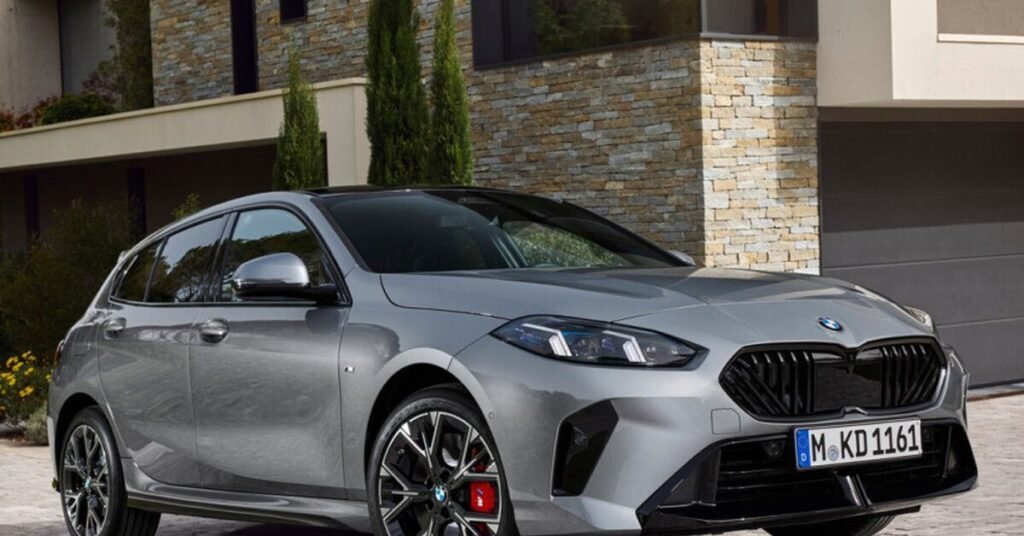
The E81 featured BMW’s traditional rear-wheel-drive layout. This setup provided balanced handling and a more engaging driving experience. As a result, many enthusiasts appreciated the car’s sporty character on both city roads and highways.
BMW offered the E81 with a range of petrol and diesel engines. Buyers could choose from efficient everyday models or more powerful versions. Therefore, the E81 appealed to drivers with different needs and budgets.
Inside, the cabin had a premium feel with quality materials and a driver-focused layout. The car also included modern features for its time, such as advanced safety systems and optional infotainment upgrades. Overall, the BMW E81 combined practicality, performance, and luxury in a compact package.
BMW 1 Series E87
The BMW 1 Series E87 was the first model in the 1 Series lineup. It was launched in 2004 and introduced BMW to the compact hatchback market. The five-door design made it practical for families and daily drivers.
The E87 stood out because it used a rear-wheel-drive platform. This feature was uncommon in the compact car segment. As a result, the car delivered excellent balance and sporty handling on the road.
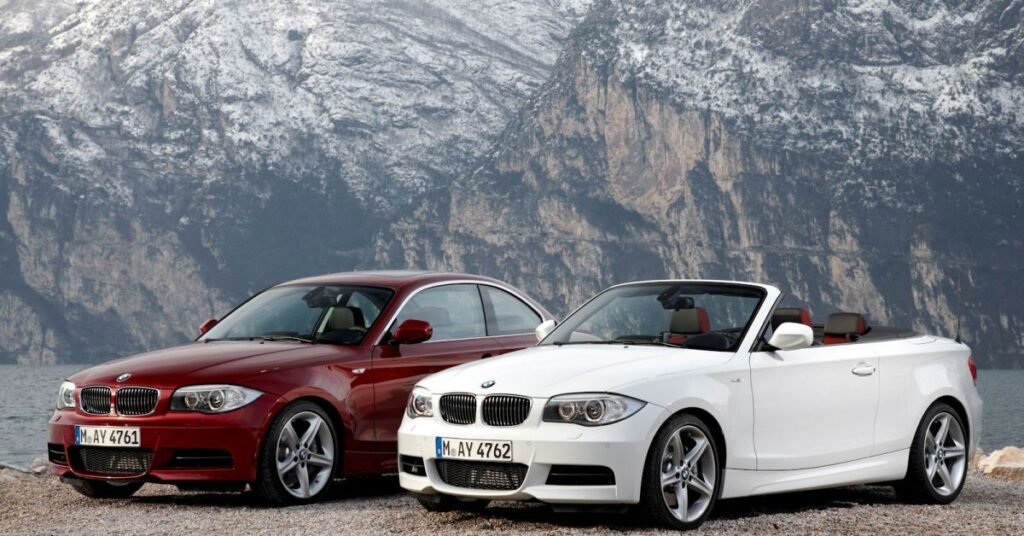
BMW offered the E87 with a wide range of petrol and diesel engines. Buyers could choose between fuel-efficient models and more powerful options. Therefore, the E87 appealed to many different types of drivers.
Inside, the cabin featured a simple layout and quality materials. The car also offered useful technology and strong safety features for its time. Overall, the BMW E87 combined everyday practicality with the driving experience expected from BMW.
BMW 1 Series E82
The BMW 1 Series E82 Coupe was introduced in 2007. It brought a more sporty and stylish design to the 1 Series lineup. With its two-door body, the E82 was aimed at drivers who wanted a compact performance car.
The E82 kept BMW’s rear-wheel-drive platform. This setup provided excellent handling and a balanced driving feel. As a result, the coupe became popular among driving enthusiasts and BMW fans.
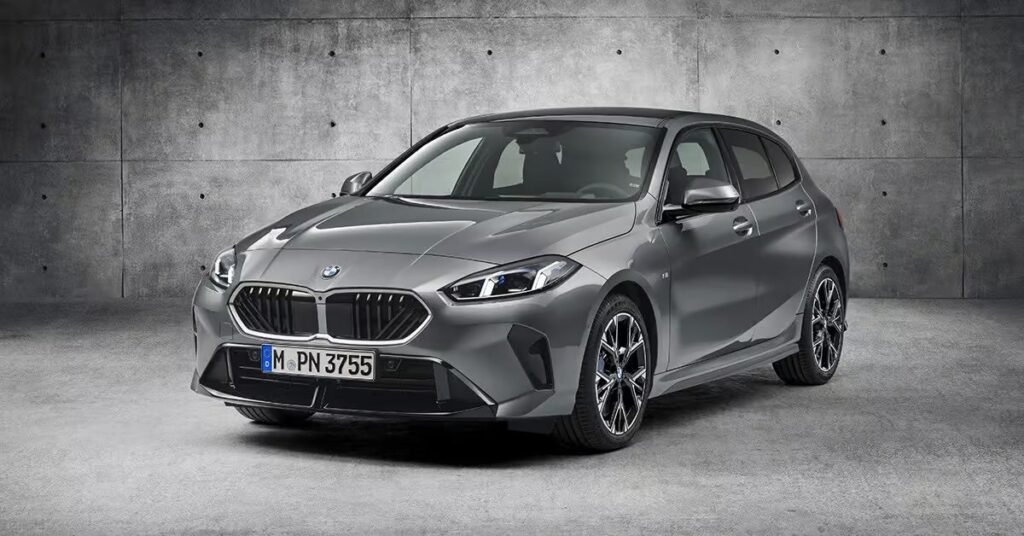
BMW offered several petrol and diesel engine options for the E82. Buyers could choose efficient models or powerful versions like the 135i. The legendary 1 Series M Coupe was also based on the E82 and became one of BMW’s most respected performance cars.
Inside, the E82 featured a driver-focused cabin with quality materials. The seats offered good support, and the controls were easy to use. Overall, the BMW E82 Coupe combined sporty looks, strong performance, and everyday usability in one package.
BMW 1 Series E88
The BMW 1 Series E88 Convertible was introduced in 2008. It was the open-top version of the first-generation 1 Series. The car offered a stylish design and a fun driving experience for those who enjoyed driving with the roof down.
The E88 featured a soft-top roof that could be opened or closed in a short time. This design helped keep the car lightweight while maintaining its sporty character. As a result, the E88 became a popular choice among convertible buyers.
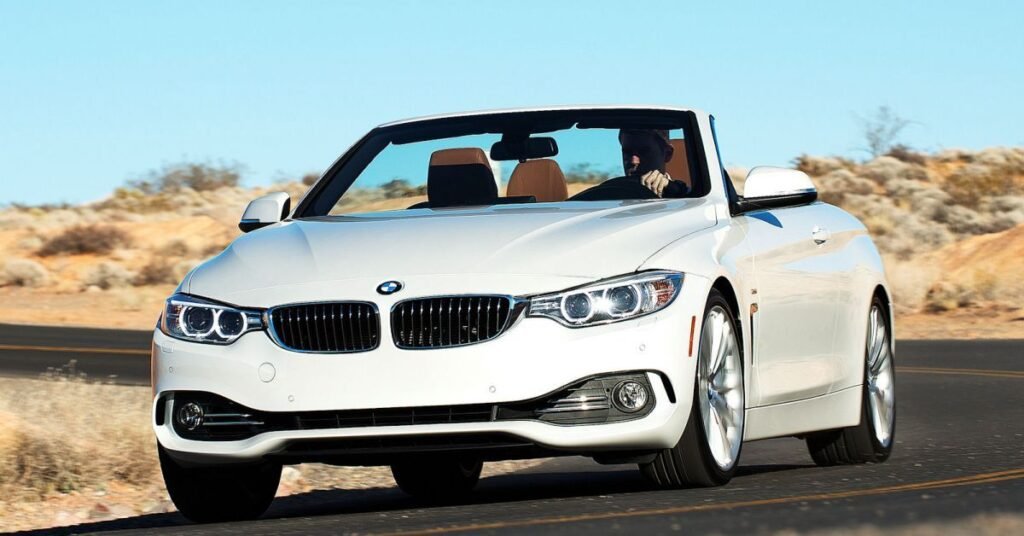
BMW offered the E88 with a variety of petrol and diesel engines. Drivers could choose efficient models for daily use or more powerful versions for extra performance. Therefore, the convertible appealed to a wide range of customers.
Inside, the E88 provided a comfortable cabin with quality materials and modern features. The seats were supportive, and the controls were easy to reach. Overall, the BMW E88 Convertible combined luxury, performance, and open-air enjoyment in a compact package.
BMW 1 Series F20
The BMW 1 Series F20 was introduced in 2011 as the second generation of the 1 Series. It replaced the E87 and brought a more modern design. The five-door hatchback body made it practical for daily use and family travel.
The F20 continued to use BMW’s rear-wheel-drive platform. This feature helped it stand out from many rivals in the compact car segment. As a result, the car offered sporty handling and a fun driving experience.
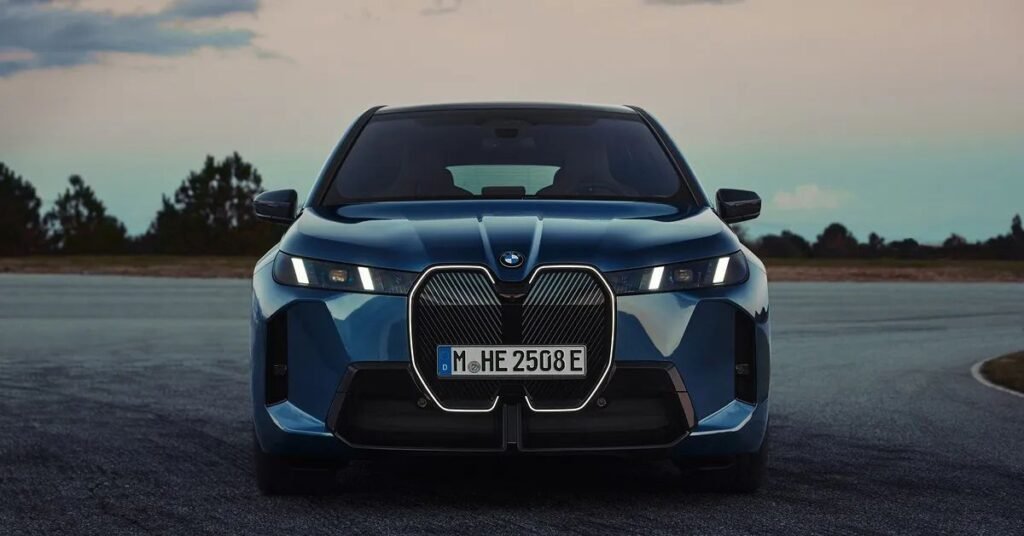
BMW offered a wide range of petrol and diesel engines in the F20 lineup. Buyers could choose efficient models for fuel savings or powerful versions for better performance. Furthermore, M Performance models added even more excitement to the range.
Inside, the F20 featured a larger cabin and improved technology. The dashboard design was modern, and the materials felt more premium than before. Overall, the BMW F20 combined comfort, practicality, and driving enjoyment in one stylish package.
BMW 1 Series F21
The BMW 1 Series F21 was introduced in 2011. It was the three-door version of the second-generation 1 Series. The design looked sportier compared to the five-door F20 model. It was made for drivers who wanted a more stylish compact car.
The F21 used the same rear-wheel-drive platform as the F20. This setup gave it strong balance and sharp handling. As a result, the car delivered a fun and engaging driving experience on different road types.
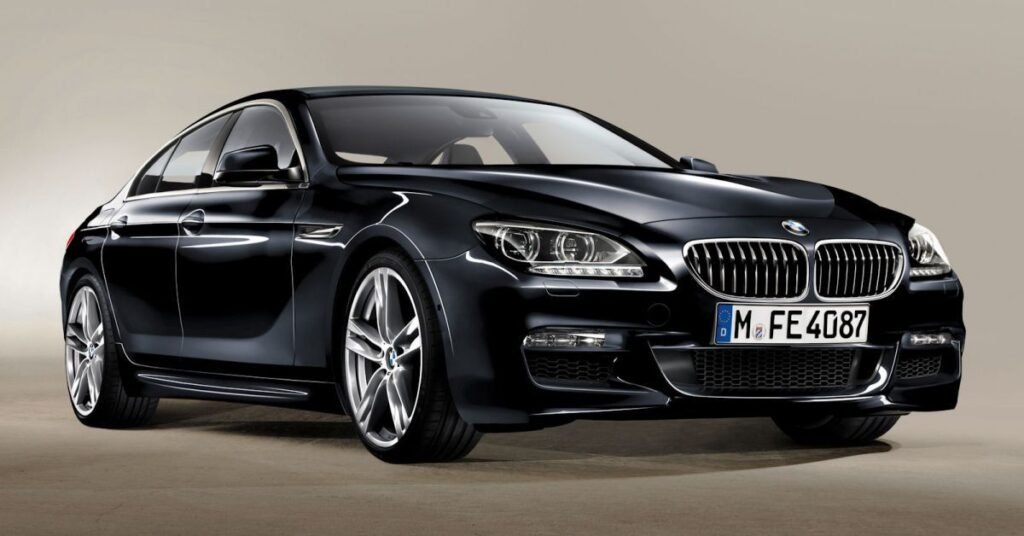
BMW offered the F21 with a wide range of petrol and diesel engines. These included efficient everyday options and more powerful variants like the M135i. Therefore, drivers could choose between economy and high performance.
Inside, the F21 featured a modern and driver-focused cabin. It had quality materials and improved technology compared to the older generation. Overall, the BMW F21 combined sporty design, strong performance, and premium comfort in a compact body.
BMW 1 Series F40
The BMW 1 Series F40 was introduced in 2019. It marked a big change in the 1 Series lineup. Unlike earlier models, it used a front-wheel-drive-based platform. The five-door hatchback body made it practical for daily use.
The F40 brought a more modern and aggressive design. It had sharp lines and a wider stance. As a result, it looked more premium and sporty than before. It also offered better space inside the cabin.
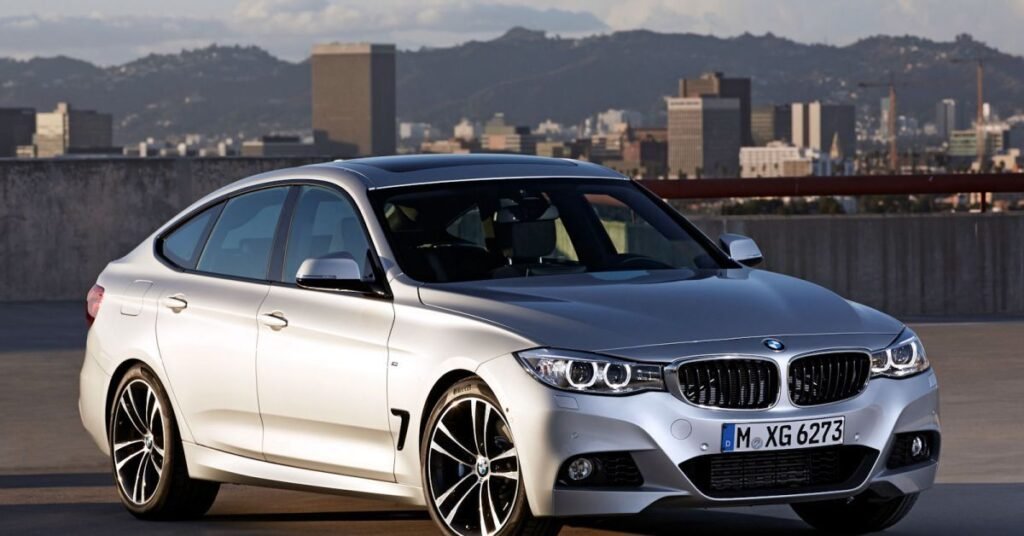
BMW provided several petrol and diesel engine options in the F40. These included efficient engines for daily driving and the powerful M135i xDrive. Therefore, drivers could choose between economy and high performance.
Inside, the F40 featured advanced technology and a digital cockpit. The infotainment system was more modern and easier to use. Overall, the BMW F40 combined comfort, technology, and practicality in a compact premium hatchback.
BMW 1 Series F70
The BMW 1 Series F70 is the latest generation of the BMW 1 Series. It was introduced in 2024 as the newest compact hatchback from BMW. BMW 1 Series F70 continues the brand’s focus on modern design and everyday usability.
The F70 comes with a refreshed and more premium look. It has sharper styling and a stronger road presence. As a result, it looks more modern compared to the previous F40 model. The five-door layout also keeps it practical for families and city driving.
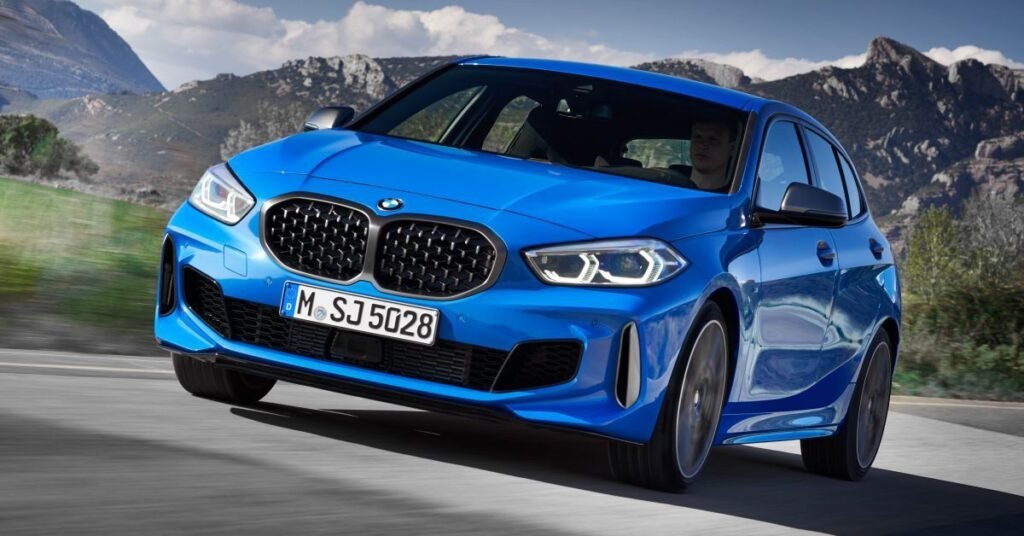
BMW offers efficient petrol and diesel engines in the F70 lineup. There is also a high-performance M135 xDrive version for sporty driving. Therefore, drivers can choose between fuel economy and strong performance depending on their needs.
Inside, the F70 features advanced digital technology and improved comfort. The cabin feels more modern with updated screens and better connectivity. Overall, the BMW F70 combines luxury, technology, and practicality in a compact hatchback design.
The BMW 1 Series has changed a lot over the years. Each generation brought better design, improved engines, and more modern features. It started as a simple compact hatchback and
Conclusion
slowly became a premium small car with strong performance and advanced technology. Today, it still keeps its sporty BMW identity.
In conclusion, the BMW 1 Series is a well-balanced car for many types of drivers. It offers comfort, practicality, and driving fun in one package. Whether you look at older or newer models, each version shows clear improvement. Overall, it remains one of the most popular compact luxury cars in its segment.
FAQs
1. What is the BMW 1 Series?
The BMW 1 Series is a compact luxury hatchback. It is known for its sporty design, comfort, and premium features.
2. How many generations does the BMW 1 Series have?
The BMW 1 Series has four main generations: E8x, F20/F21, F40, and F70.
3. Which BMW 1 Series is the most popular?
The F20 and F40 models are very popular because of their balance of performance, comfort, and modern technology.
4. Is the BMW 1 Series good for daily use?
Yes, it is very practical for daily driving. It offers good fuel efficiency, comfort, and easy handling.
5. Does the BMW 1 Series have a sporty version?
Yes, BMW offers M Performance models like the M135i and M135 xDrive for higher performance and sporty driving.