The BMW M1 is a rare sports car that BMW built with a strong focus on performance and design. It first appeared in the late 1970s as BMW’s first true mid-engine supercar. Engineers designed it to deliver high speed, balanced handling, and a bold racing identity.
This car still grabs attention today because it feels special and timeless. Moreover, it connects BMW’s road cars with its racing history in a powerful way. As a result, enthusiasts in both Germany and the USA still admire it as a collector’s dream.
In this review, we will explore its full story in simple detail. We will look at its history, engine performance, interior design, and motorsport success. In addition, we will also understand its value in the German and USA markets and why it remains an iconic machine.
BMW M1 Development Story
BMW started the development of the M1 in the late 1970s. The company wanted to build a true mid-engine sports car. Moreover, BMW aimed to compete with top Italian supercars in both performance and design. Engineers worked closely with Lamborghini during the early phase to shape the project.
However, the development process faced many challenges. Production delays and financial issues slowed the project down. As a result, BMW had to shift production responsibilities and manage the car in a different way than originally planned. Even then, the team stayed focused on delivering a high-performance machine.
Eventually, BMW completed the M1 with a strong motorsport vision. The company designed it for both road use and racing performance. In addition, it became the first car that truly represented BMW’s M division spirit. Therefore, it still holds a special place in automotive history today.
History of BMW’s First Supercar
BMW introduced the M1 in the late 1970s as its first true supercar. The company designed it to enter the world of high-performance sports cars. Moreover, BMW wanted to compete directly with famous Italian brands like Lamborghini and Ferrari.
The project began with strong ambition, but it faced many changes during development. BMW originally worked with Lamborghini for production. However, financial problems forced BMW to take full control of the project. As a result, the production process became slower and more complex.
Despite these challenges, the BMW M1 finally reached the market in limited numbers. It quickly gained attention for its unique design and strong performance. In addition, it became a symbol of BMW’s early motorsport identity in both Germany and the USA.
Exterior Design and Styling
The BMW M1 features a low and wide body design that clearly shows its sports car nature. Designers focused on sharp lines and a balanced shape. Moreover, the car sits close to the ground, which improves both aerodynamics and stability.
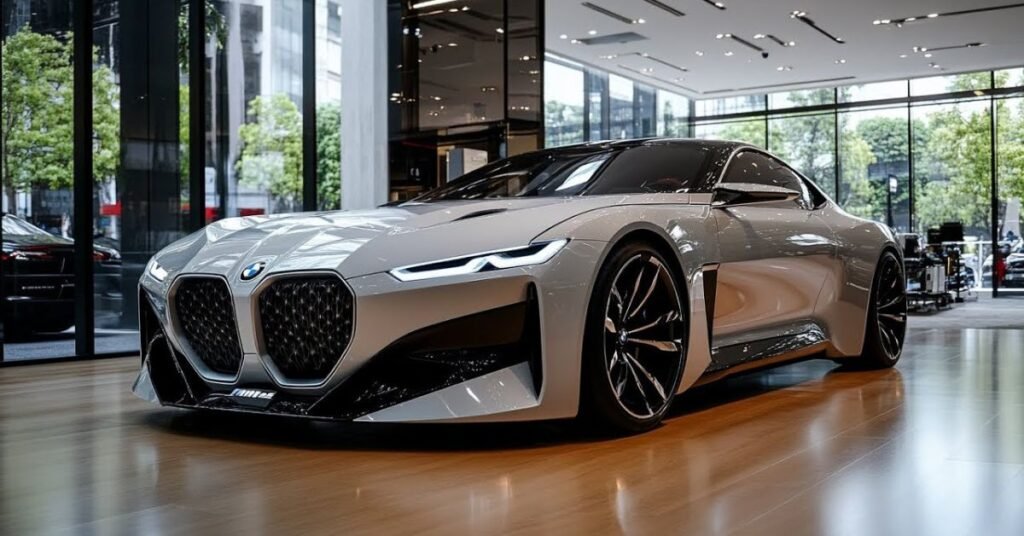
The exterior styling was created with the help of Italian design influence. This gives the M1 a smooth yet aggressive look. In addition, the pop-up headlights and clean body panels make it stand out from other cars of its time.
Overall, the design combines beauty with function. Every curve helps improve airflow and performance. Therefore, the BMW M1 still looks modern and attractive even today in both Germany and the USA markets.
BMW M1 Engine
The BMW M1 comes with a 3.5-liter inline-six engine. This engine uses a naturally aspirated setup for smooth power delivery. Moreover, BMW designed it to focus on both performance and reliability.
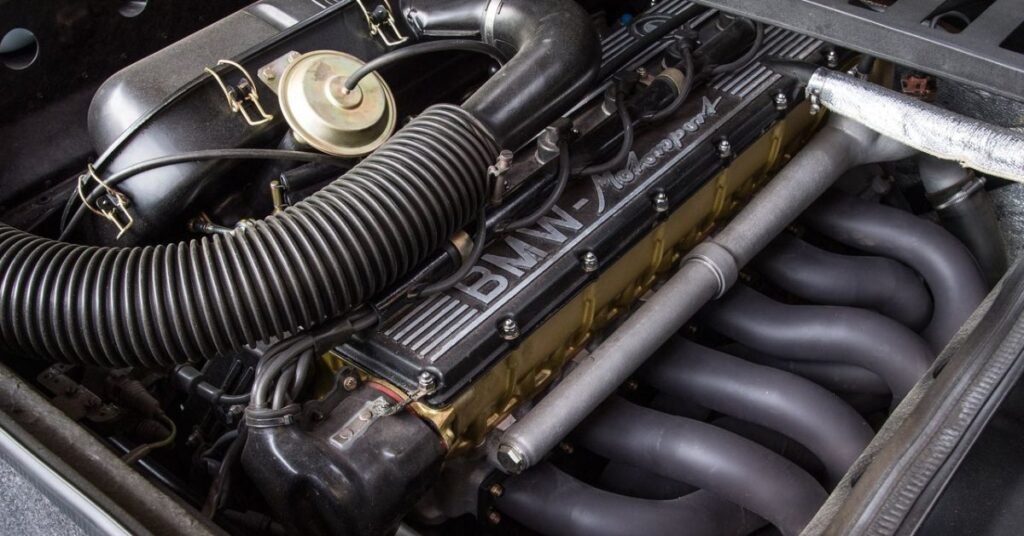
The engine produces strong horsepower for its time. It delivers quick acceleration and a high top speed. In addition, the power feels linear, which makes the driving experience more controlled and engaging.
Overall, the BMW M1 engine shows BMW’s early engineering strength. It works well for both road driving and racing conditions. Therefore, it remains an important part of the car’s legacy in Germany and the USA.
Performance: Speed and Acceleration
The BMW M1 delivers strong performance for its time. It accelerates quickly and feels very responsive on the road. Moreover, the mid-engine layout helps improve balance and control during fast driving.
The car reaches high speeds with smooth power delivery. It builds speed in a steady and controlled way. In addition, the engine response stays consistent, which improves driving confidence in both German and USA road conditions.
Overall, the BMW M1 offers an exciting driving experience. It performs well on highways and tracks. Therefore, it remains a respected performance car among enthusiasts even today.
BMW M1 Interior
The BMW M1 interior focuses on a simple and driver-oriented design. The cabin feels compact and functional. Moreover, BMW placed all controls within easy reach to improve driving comfort and control.

The seats offer strong support for high-speed driving. They keep the driver stable during sharp turns. In addition, the dashboard uses a clean layout with clear gauges for speed, RPM, and performance data.
Overall, the interior reflects a pure sports car feel. It avoids unnecessary luxury features and focuses on the driving experience. Therefore, it matches the performance nature of the BMW M1 in both Germany and the USA markets.
Motorsport Racing Heritage
The BMW M1 has a strong connection with motorsport racing. BMW designed it not only for the road but also for competition. Moreover, it became the base for BMW’s racing programs in the late 1970s and early 1980s.
The car gained attention through the famous Procar Championship. In this series, top Formula 1 drivers competed using identical BMW M1 cars. As a result, the M1 proved its performance and handling on a global racing stage.
Overall, the BMW M1 built a lasting motorsport legacy. It showed BMW’s serious entry into high-level racing. Therefore, it remains an important symbol of racing history in both Germany and the USA.
Limited Production and Rarity
The BMW M1 was produced in very limited numbers. BMW built only a small batch of these cars. Moreover, this low production made it instantly rare in the automotive world.
The company faced delays and production challenges during manufacturing. As a result, BMW could not produce the M1 in large volumes. In addition, this situation increased its exclusivity in both Germany and the USA markets.
Overall, the BMW M1 is now a highly rare collector’s car. Its limited numbers make it more valuable over time. Therefore, enthusiasts still search for well-maintained examples today.
BMW M1 Collector Value
The BMW M1 holds strong value among car collectors. It remains one of the rarest BMW models ever made. Moreover, collectors in Germany and the USA highly respect its originality and history.
The car’s value continues to rise over time. Limited production and strong demand increase its market price. In addition, well-maintained examples often sell at premium levels in auctions and private sales.
Overall, the BMW M1 is considered a true investment piece. Enthusiasts see it as more than just a car. Therefore, it stays highly desirable in the classic car market worldwide.
BMW M1 Specifications Overview
The BMW M1 delivers a strong combination of performance and engineering. It uses a mid-engine layout that improves balance and handling. Moreover, BMW designed it to perform well in both road driving and motorsport conditions. It remains one of the most iconic sports cars from BMW’s early history.
In Germany and the USA markets, the BMW M1 is valued for its rare specifications and classic engineering. It offers a powerful engine, lightweight structure, and precise driving dynamics. Therefore, it still attracts collectors and enthusiasts who appreciate vintage performance cars.
BMW M1 Specifications Table
| Category | Details |
| Model Name | BMW M1 (E26) |
| Production Years | 1978–1981 |
| Engine Type | 3.5L Inline-6, Naturally Aspirated |
| Engine Code | M88 |
| Power Output | Around 277 hp (road version) |
| Torque | Around 330 Nm |
| Layout | Mid-engine, rear-wheel drive |
| Transmission | 5-speed manual |
| 0–100 km/h | Approx. 5.6 seconds |
| Top Speed | Around 260 km/h (162 mph) |
| Body Style | 2-door coupe |
| Weight | Approx. 1,300 kg |
| Production Numbers | Around 453 units |
| Main Markets | Germany & USA |
| Special Feature | Motorsport-inspired design |
Market Price Trends
The BMW M1 shows strong price growth in the collector market. Its value has increased over time in both Germany and the USA. Moreover, its rarity and historical importance continue to push prices higher.
In recent years, well-maintained BMW M1 models have sold at premium prices ranging from $500,000 to over $1,000,000 in the USA market. In Germany, prices usually range from €450,000 to €900,000+, depending on condition and originality. In addition, rare racing versions can exceed these figures at auctions.
Overall, the BMW M1 remains a stable and rising classic car investment. Market trends show long-term appreciation instead of decline. As a result, it continues to attract serious collectors and investors worldwide.
Driving Experience Review
The BMW M1 offers a pure and engaging driving experience. It feels fast, balanced, and very responsive on the road. Moreover, the mid-engine layout helps improve control during high-speed driving.
The steering feels direct and accurate. The car reacts quickly to driver input. In addition, the suspension setup gives stability during sharp turns, which improves confidence in both German and USA road conditions.
Overall, the driving experience feels raw and exciting. It connects the driver closely with the road. Therefore, the BMW M1 remains a favorite among classic sports car enthusiasts.
Maintenance and Ownership Costs
The BMW M1 has high maintenance and ownership costs. It is a rare classic car, so parts are not easy to find. Moreover, owners often depend on specialist mechanics for repairs and servicing.
In Germany and the USA, servicing costs can be expensive due to limited availability of original parts. In addition, restoration work requires skilled labor, which increases the total ownership cost. Insurance premiums are also higher because of its collector status.
Overall, owning a BMW M1 requires strong financial commitment. However, proper maintenance helps preserve its value over time. Therefore, many collectors still invest in it despite the high costs.
Legacy in Automotive History
In the history of automobiles, the BMW M1 holds a special place. It was BMW’s first true mid-engine supercar. Moreover, it marked the beginning of BMW’s serious focus on high-performance M models.
The car influenced future BMW designs and motorsport projects. It showed how BMW could combine performance, design, and racing technology. In addition, it inspired later M models that became global icons in both Germany and the USA.
Overall, the BMW M1 remains a symbol of innovation and heritage. It represents a bold step in BMW’s journey into supercars. Therefore, it continues to be respected by collectors and automotive fans worldwide.
Conclusion
The BMW M1 stands as a rare and iconic sports car. It combines strong performance, unique design, and a rich motorsport history. Moreover, it shows how BMW entered the supercar world with confidence and ambition.
Overall, the BMW M1 still attracts attention in Germany and the USA. It remains a valuable collector’s car with lasting appeal. Therefore, it continues to be admired as one of BMW’s most important classic models.
FAQs
1. What is the BMW M1?
The BMW M1 is a rare mid-engine sports car. BMW built it as its first true supercar in the late 1970s.
2. How many BMW M1 cars were made?
BMW produced only about 453 units. Moreover, this low production makes it very rare today.
3. Why is the BMW M1 so expensive?
Its rarity, motorsport history, and collector demand increase its price. Therefore, it sells for very high values in auctions.
4. Is the BMW M1 a good investment?
Yes, it is considered a strong classic car investment. In addition, its value continues to rise in Germany and the USA.
5. What engine does the BMW M1 use?
It uses a 3.5-liter inline-six engine. Moreover, it delivers strong and smooth performance for a classic sports car.