A BMW tire pressure sensor is a small device that checks the air pressure inside your tires. It is part of the Tire Pressure Monitoring System (TPMS). This sensor helps keep your driving safe by warning you when tire pressure is too low or too high.
This system is very important for BMW owners. It can prevent accidents, improve fuel efficiency, and increase tire life. When the sensor detects a problem, it shows a warning light on your dashboard. Many drivers ignore it, but it should never be taken lightly.
In this guide, you will learn how BMW tire pressure sensors are installed and maintained. It will also help you understand common issues and simple care tips. With the right knowledge, you can keep your sensor working properly for a long time.
Understanding the BMW Tire Pressure Monitoring System
The BMW Tire Pressure Monitoring System is a safety feature in modern BMW cars. It checks the air pressure in each tire. If the pressure is too low or too high, it alerts the driver on the dashboard.
This system helps improve driving safety. Proper tire pressure gives better control of the car. It also improves fuel efficiency and reduces tire wear over time.
BMW uses advanced sensors to monitor tire conditions in real time. These sensors send signals to the car’s computer system. As a result, drivers get quick warnings if something is wrong.
What It Is
A BMW tire pressure sensor is a small electronic device placed inside or near the tire. It measures the air pressure in the tire. It helps keep the car safe and stable while driving.
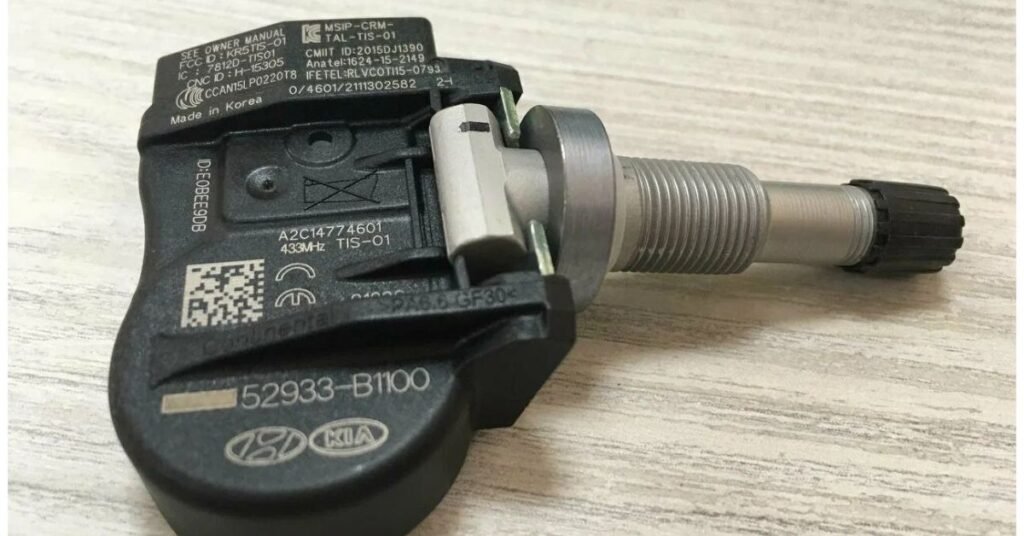
This sensor is part of the Tire Pressure Monitoring System (TPMS). It sends real-time data to the car’s computer. If the pressure drops, it immediately sends a warning to the driver.
In simple terms, it acts like a safety checker for your tires. It helps you avoid driving with low or uneven tire pressure. This makes your driving smoother and safer on the road.
How It Works
The BMW tire pressure sensor works by checking the air pressure inside each tire. It collects data in real time while the car is moving or parked. This helps the system stay updated all the time.
Each sensor sends signals to the car’s central computer system. If the pressure becomes too low or too high, it triggers a warning light on the dashboard. This alert helps the driver take quick action.
The system works automatically without driver effort. It keeps monitoring tire conditions in the background. This makes driving safer and reduces the risk of tire damage.
Why It Matters
The BMW tire pressure sensor is important for safe driving. It helps you keep your tires at the right pressure. This reduces the risk of accidents on the road.
Proper tire pressure improves car performance. It gives better control, smoother handling, and stable driving, and also helps your BMW use less fuel.
It also protects your tires from damage. Low or high pressure can cause uneven wear. With this system, you can fix problems early and avoid costly repairs.
Warning Light Meaning
The BMW tire pressure warning light shows when there is a problem with your tires. It usually means the air pressure is too low or too high. This light appears on the dashboard to alert the driver quickly.
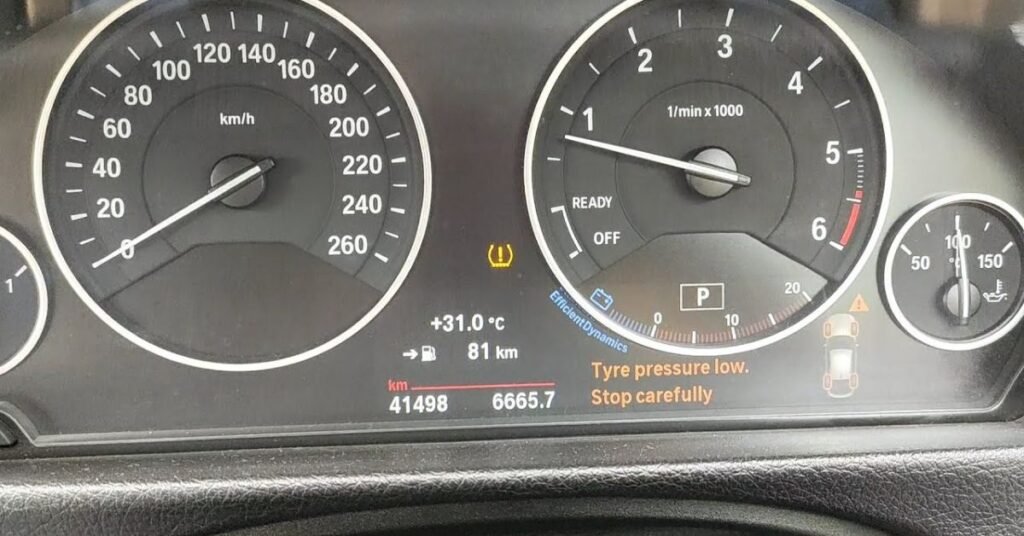
Sometimes, the light can turn on due to a temperature change. Cold weather can lower tire pressure. In such cases, the system is just reminding you to check your tires.
If the light stays on, it means you should inspect your tires soon. There may be a slow leak or a faulty sensor. Ignoring it can affect safety and driving performance.
Types of TPMS in BMW
BMW uses two main types of Tire Pressure Monitoring Systems. Each system works differently but has the same goal. It helps monitor tire pressure and keeps driving safe.
The first type is Direct TPMS. It uses sensors inside each tire to measure real air pressure. The second type is Indirect TPMS. It does not use physical pressure sensors and instead checks tire rotation speed through ABS sensors.
| Type of TPMS | How It Works | Accuracy | Maintenance | Cost |
| Direct TPMS | Uses sensors inside tires to measure pressure | High accuracy | Needs sensor replacement over time | Higher cost |
| Indirect TPMS | Uses ABS to detect pressure changes | Moderate accuracy | No tire sensors needed | Lower cost |
Both systems are useful for BMW vehicles. However, Direct TPMS is more advanced and commonly used in newer models.
Faulty Sensor Signs
A faulty BMW tire pressure sensor shows clear warning signs. The most common sign is a constant warning light on the dashboard. This light may stay on even when tire pressure is correct.
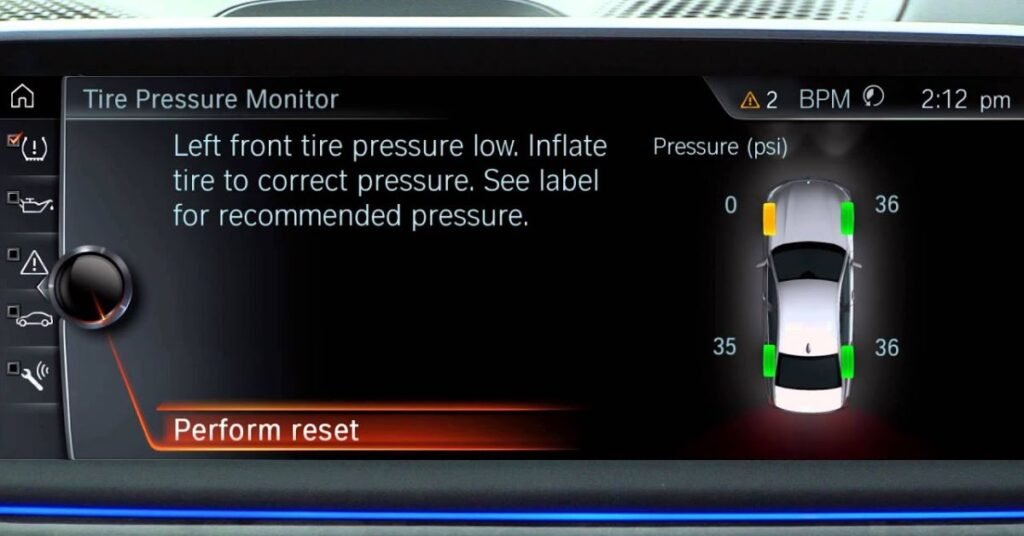
Another sign is incorrect pressure readings. The system may show wrong values for one or more tires. This can confuse the driver and affect safety.
You may also notice random alerts while driving. Sometimes the warning comes and goes without reason. In such cases, the sensor may need repair or replacement.
Reset Process
The BMW tire pressure sensor can be reset after you adjust the tire pressure. First, make sure all tires are filled to the correct level. Check the recommended pressure in your car manual or door sticker.
Next, start your BMW and go to the iDrive or settings menu. Find the tire pressure or TPMS option. Select the reset or reinitialize option to begin the process.
After that, drive the car for a few minutes. The system will recalibrate automatically. Once completed, the warning light should turn off.
Replacement Guide
Replacing a BMW tire pressure sensor is needed when it stops working. First, the tire is removed from the wheel. Then the old sensor is carefully taken out from the valve area.
After that, a new sensor is installed in the same position. It is important to use a compatible BMW sensor for proper function. Once installed, the tire is fitted back onto the wheel.
Finally, the system is reset so the car can recognize the new sensor. A professional mechanic usually performs this job. It ensures safety and correct pressure readings.
Common Issues
One common issue with BMW tire pressure sensors is false warnings. The system may show a low-pressure alert even when tires are fine. This can happen due to sensor errors or a weak battery.
Another problem is sensor battery failure. Each sensor has a small built-in battery. Over time, it can run out and stop working properly.
Sometimes, sensors stop communicating with the car system. This can happen after tire changes or damage. In such cases, recalibration or replacement is needed.
Maintenance Tips
Check your tire pressure regularly. Do it at least once a month. Always keep it at the level recommended by BMW.
Avoid driving with low tire pressure for a long time. It can damage both tires and sensors. Proper pressure helps the system work correctly.
Also, inspect sensors during tire changes. Make sure they are clean and not damaged. Regular care helps extend their life and performance.
Calibration Steps
First, make sure all tires have correct air pressure. Check the recommended level in your BMW manual. Adjust the pressure before starting calibration.
Next, turn on your car and go to the settings menu. Find the tire pressure or TPMS option. Select the calibration or reset function.
After that, drive the car for a short distance. The system will learn and adjust automatically. When done, the warning light will turn off if everything is fine.
Benefits of BMW Tire Pressure Sensor System
The BMW tire pressure sensor system improves driving safety. It alerts you quickly if tire pressure is not correct. This helps you avoid accidents on the road.
It also improves fuel efficiency. Proper tire pressure reduces engine load. As a result, your BMW uses less fuel and runs more smoothly.
Another benefit is longer tire life. Correct pressure prevents uneven tire wear. This saves money and reduces the need for frequent tire replacement.
Conclusion
The BMW tire pressure sensor is an important safety feature. It helps you keep your tires at the right pressure. This makes driving safer, smoother, and more reliable. It also reduces the risk of tire damage and road accidents.
Overall, this system gives peace of mind to BMW drivers. It improves fuel efficiency and extends tire life. By taking care of it, you can enjoy better performance and a safer driving experience every day.
FAQs
1. What does a BMW tire pressure sensor do?
It checks tire air pressure and alerts the driver if it is too low or too high.
2. Why is my BMW tire pressure light on?
It usually means low tire pressure, temperature change, or a faulty sensor.
3. How often should I check tire pressure in BMW?
It is best to check it at least once a month for safety and performance.
4. Can I drive with a faulty tire pressure sensor?
Yes, but it is not safe because you may not get correct tire pressure warnings.
5. How long does a BMW tire pressure sensor last?
It usually lasts 5–10 years, depending on usage and driving conditions.