Spark plugs are small but very important parts of a car engine. They create the spark that ignites the fuel and air mixture. This process helps the engine start and run smoothly. In BMW cars, spark plugs are designed for high performance and efficiency. Good spark plugs mean better power, smoother driving, and less fuel waste.
Many drivers ignore spark plugs until problems appear. You may feel rough idling or slow acceleration. Sometimes, the car may use more fuel than usual. These small signs can lead to bigger issues if not fixed. So, understanding spark plugs can save you time and money.
In this guide, you will learn everything about BMW spark plugs. We will cover types, signs of wear, and replacement tips. You will also find simple advice to keep your engine in good shape. This will help you enjoy better performance and a longer engine life.
BMW Spark Plugs Guide
BMW spark plugs are small parts with a big role. They create the spark needed to start the engine. This spark helps burn the fuel and air mixture. As a result, the engine runs smoothly and delivers good power.
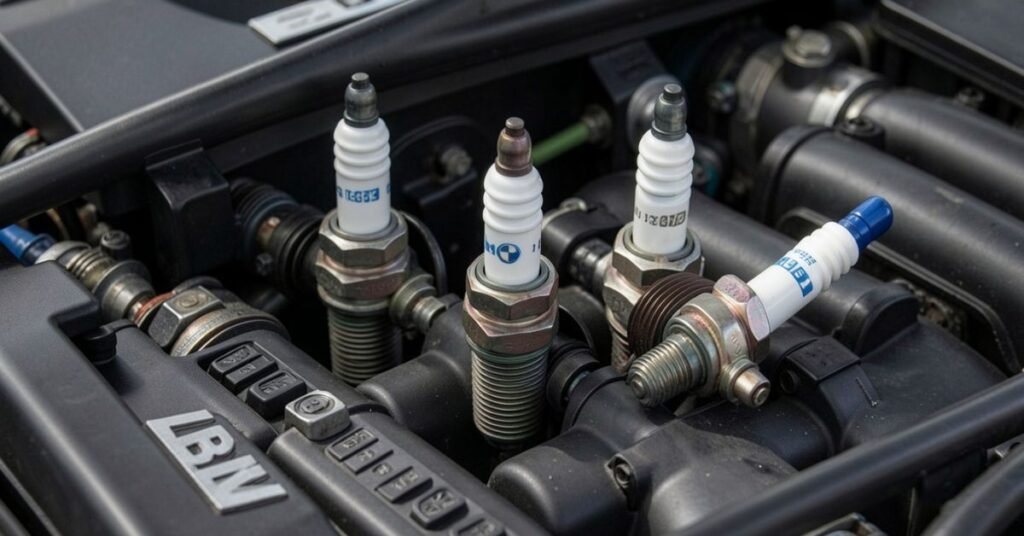
BMW uses high-quality spark plugs for better performance. Most models come with platinum or iridium plugs. These types last longer and work more efficiently. They also help improve fuel economy and reduce engine stress.
Regular checking of spark plugs is very important. Worn-out plugs can cause rough driving and poor mileage. So, it is good to replace them at the right time. Proper care keeps your BMW engine strong and reliable.
Role in Engine Performance
Spark plugs play a key role in engine performance. They create the spark that starts combustion. This process produces the power needed to move the car. A strong spark helps the engine run smoothly and efficiently.
Good spark plugs improve fuel burning inside the engine. This leads to better acceleration and steady driving. The engine feels more responsive on the road. It also reduces fuel waste and supports better mileage.
Worn or dirty spark plugs can lower performance. The engine may misfire or feel rough. You might notice slow pickup or poor fuel economy. So, keeping spark plugs in good condition is important for a healthy engine.
Types of Spark Plugs
There are different types of spark plugs used in cars. Each type has its own features and lifespan. The most common types are copper, platinum, and iridium. Some BMW models also use double platinum or performance spark plugs. Choosing the right type depends on your car model and driving needs.
Copper plugs are cheaper but wear out faster. Platinum plugs last longer and give stable performance. Iridium plugs are the most durable and offer the best efficiency. They are often used in modern BMW engines. Choosing the right spark plug helps improve engine life and driving smoothness.
| Type of Spark Plug | Material Used | Lifespan (Approx) | Performance Level | Cost Range | Best For |
| Copper | Copper Core | 20,000–30,000 km | Basic | Low | Older engines |
| Platinum | Platinum Tip | 60,000–80,000 km | Good | Medium | Daily driving |
| Double Platinum | Platinum on both electrodes | 80,000–100,000 km | Better | Medium-High | Modern engines |
| Iridium | Iridium Tip | 100,000+ km | Excellent | High | High-performance BMW |
| Performance Plug | Special alloys | Varies | High | High | Sports driving |
Choosing the Right Spark Plug
Choosing the right spark plug is important for your BMW. It depends on your car model and engine type. Different engines need different spark plug materials. Using the wrong type can affect performance and fuel use.
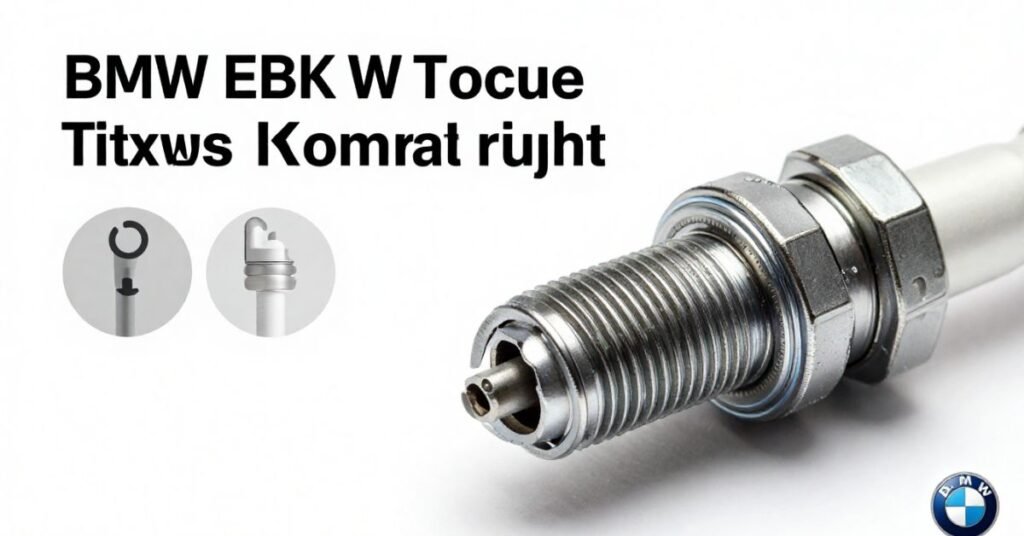
You should always check your owner’s manual first. It tells you the recommended spark plug type. You can also ask a mechanic for advice. OEM spark plugs are usually the safest choice for BMW cars.
Driving style also matters in your choice. If you drive long distances, iridium plugs are better. For normal city driving, platinum plugs work well. Picking the right one helps keep your engine running smoothly and efficiently.
Signs of Replacement
There are clear signs when BMW spark plugs need replacement. The engine may start to feel rough or unstable. You might notice the car shaking while idling. These are early warnings of worn-out spark plugs.
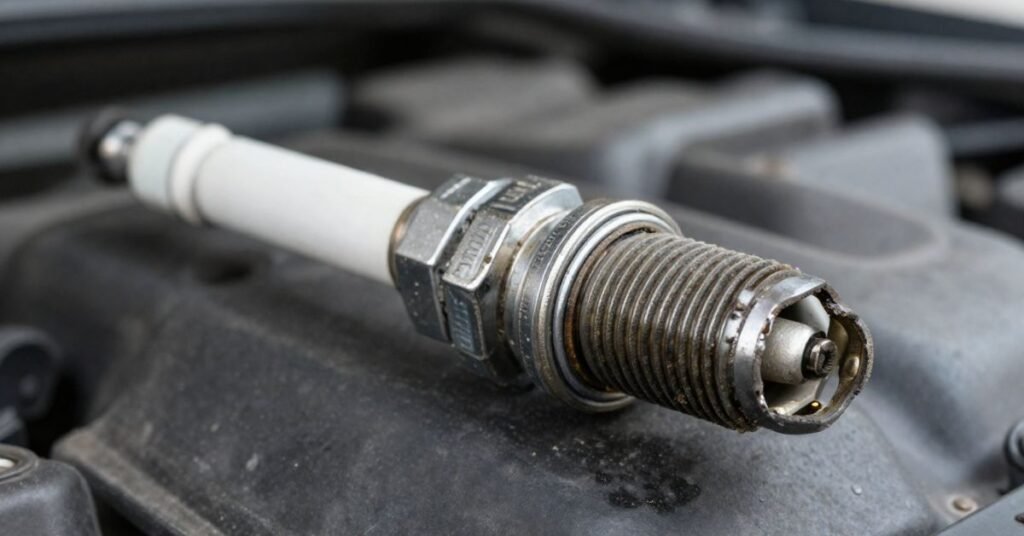
Another common sign is poor fuel efficiency. The car may use more fuel than usual. You may also feel slow acceleration. The engine can misfire or hesitate while driving.
Starting problems are also a strong signal. The engine may take longer to start. In some cases, it may not start smoothly. When you see these signs, replacing spark plugs is important.
Replacement Interval
BMW spark plugs should be replaced at the right time. Most standard spark plugs last between 30,000 and 50,000 miles. Platinum and iridium plugs last much longer. They can work well up to 60,000 to 100,000 miles.
The exact interval depends on your BMW model. Driving conditions also affect their life. Stop-and-go city driving can wear them out faster. Highway driving usually keeps them in better condition for longer.
It is always best to follow the BMW service schedule. Regular inspection helps avoid engine problems. Replacing spark plugs on time keeps performance smooth. It also protects fuel efficiency and engine health.
How to Replace
Replacing BMW spark plugs is a careful process. First, the engine should be turned off and cooled down. The engine cover is then removed to access the spark plugs. Each plug is located inside the engine cylinder.
Next, the ignition coils are removed one by one. The old spark plugs are then unscrewed using a spark plug socket. It is important to remove them gently to avoid damage. The area should be kept clean during the process.
Finally, new spark plugs are installed in the same position. They must be tightened properly, but not too much. The ignition coils are placed back again. After finishing, the engine is started to check for smooth operation.
Common Issues
BMW spark plugs can face some common problems over time. One issue is carbon buildup on the plug tip. This reduces spark strength and affects engine performance. It can also make the engine run rough.
Another problem is misfiring. This happens when the spark plug does not fire properly. You may feel jerks while driving. The car may also lose power during acceleration.
Worn-out or damaged plugs are also a common issue. They can cause poor fuel economy. Starting the engine may become difficult. Regular checks help avoid these problems.
Replacement Cost
The cost of BMW spark plug replacement can vary. It depends on the model of your BMW. The type of spark plugs also affects the price. Iridium plugs are usually more expensive than copper or platinum ones.
Labor cost is another important factor. If you go to a BMW service center, the cost will be higher. Independent workshops may charge less. On average, the total cost can range from moderate to high.
It is always good to use quality spark plugs. Cheap options may save money at first, but can cause issues later. Investing in good spark plugs helps protect your engine. It also ensures better long-term performance.
OEM and Aftermarket
OEM spark plugs are made by the original manufacturer. They are designed specifically for BMW engines. These plugs match factory standards and ensure reliable performance. Many drivers prefer OEM for safety and quality.
Aftermarket spark plugs are made by other companies. They are often cheaper than OEM parts. Some aftermarket options offer good performance, but quality can vary. It is important to choose a trusted brand.
Both options have their own benefits. OEM gives peace of mind and a perfect fit. The aftermarket can save money and offer choices. The best option depends on your budget and driving needs.
Effect on Fuel Efficiency
Spark plugs have a direct effect on fuel efficiency. Good spark plugs burn fuel properly in the engine. This helps the car use less fuel. It also improves overall driving performance.
Worn-out spark plugs can reduce fuel economy. The engine may burn more fuel than needed. You may notice more frequent fuel stops. This increases your driving cost over time.
New and clean spark plugs help save fuel. They provide a strong and steady spark. This keeps combustion smooth and efficient. As a result, your BMW runs better and uses less fuel.
Maintenance Tips
Regular maintenance keeps BMW spark plugs in good condition. Always check them during routine service. Clean inspection helps find early signs of wear. This prevents bigger engine problems later.
Use high-quality fuel for better spark plug health. Poor fuel can create carbon buildup. This reduces engine performance over time. Keeping the fuel system clean also helps spark plugs last longer.
Follow the BMW service schedule for best results. Replace spark plugs at the recommended time. Avoid delaying replacement when signs appear. Proper care ensures smooth driving and strong engine performance.
Buying Guide
When buying BMW spark plugs, always check your car model. Different BMW engines need different plug types. Using the correct one ensures better performance and safety. Always match the specifications before purchasing.
Choose between OEM and trusted aftermarket brands. OEM plugs give factory-level quality and fit. Aftermarket options can be cheaper but vary in quality. It is better to pick a reliable and well-known brand.
Also consider the material type and lifespan. Iridium and platinum plugs last longer than copper ones. Think about your driving style and budget. A good choice will improve engine performance and fuel efficiency.
Conclusion
BMW spark plugs are small parts, but they play a very important role in engine performance. In fact, they help the engine start smoothly, run efficiently, and use fuel in a better way. Moreover, good spark plugs improve driving comfort and overall power delivery. Therefore, regular maintenance is essential for long-term engine health.
If spark plugs are replaced on time, many engine problems can be avoided easily. Additionally, this helps improve fuel efficiency and reduces extra repair costs. Consequently, your BMW stays in better condition for a longer time. So, always choose the right spark plugs for your model and maintain them properly for reliable performance.
FAQs
1. What do BMW spark plugs do?
Basically, they create the spark needed to ignite fuel in the engine. As a result, the car starts smoothly and runs efficiently.
2. How often should BMW spark plugs be replaced?
Generally, they last between 30,000 and 100,000 miles. However, this depends on the type of plug and driving conditions.
3. What are the signs of bad spark plugs?
For example, rough idling, misfiring, and poor fuel economy are common signs. In addition, the engine may feel weak or slow.
4. Which spark plugs are best for BMW?
Usually, OEM, platinum, and iridium spark plugs are recommended. Because of their quality, they offer better durability and performance.
5. Can bad spark plugs affect fuel efficiency?
Yes, absolutely. In fact, worn spark plugs can increase fuel consumption. Therefore, replacing them on time helps save fuel and improve efficiency.