BMW brake pads are an important part of your car’s braking system. They press against the brake discs to slow down or stop the vehicle. These pads are designed to handle high speed and heavy braking. Good brake pads help keep your drive smooth and safe.
Many drivers ignore brake pads until they start making noise. This can be risky and costly over time. Worn-out pads reduce stopping power and can damage other parts. Choosing the right brake pads can improve safety and driving confidence.
In this guide, you will learn about types, features, and lifespan. You will also understand when to replace them and how to choose the best option. This will help you keep your BMW in top condition.
Brake Pad Basics
Your car’s braking system relies heavily on brake pads. To slow down the wheels, they create friction. When you press the brake pedal, the pads press against the brake disc. This action helps the car stop safely.
Most brake pads are made from different materials. Common types include ceramic, semi-metallic, and organic. There are benefits and limitations to each type. Some last longer, while others give better performance or less noise.
Brake pads wear down over time with regular use. Heat and friction slowly reduce their thickness. Thin pads can affect braking power and safety. That is why regular checks and timely replacement are important.
How Brake Pads Work
Brake pads work by creating friction to slow your car down. When you press the brake pedal, a signal is sent to the braking system. This causes the brake pads to move toward the spinning disc. The contact between them helps reduce speed.
The pads press tightly against the brake disc. This pressure creates heat and friction. As a result, the wheels start to slow down. The harder you press the pedal, the stronger the braking force.
Over time, this process wears down the brake pads. Heat and constant use make them thinner. If they become too thin, braking becomes less effective. That is why it is important to check them regularly.
Types of Brake Pads
A car’s brake pads come in different types. The most common ones are ceramic, semi-metallic, and organic. Each type has its own features and performance level. Some are better for daily driving, while others are made for high performance.
Choosing the right type depends on your driving style and needs. Some pads are quiet and clean, while others are strong and durable. It is important to understand their differences before making a choice. The table below will help you compare them easily.
| Type of Brake Pad | Material | Performance | Noise Level | Durability | Best For |
| Ceramic | Ceramic fibers and fillers | Smooth and consistent braking | Very low | Long-lasting | Daily driving, comfort |
| Semi-Metallic | Metal fibers mixed with resin | Strong and high-performance | Medium to high | Very durable | Heavy use, sporty driving |
| Organic | Rubber, glass, and fibers | Soft and smooth braking | Low | Less durable | Light driving, budget users |
| Low-Metallic NAO | Organic with small metal content | Better heat transfer | Medium | Moderate | Balanced performance |
Signs of Worn Pads
Worn brake pads show clear warning signs. One common sign is a squeaking or grinding noise when braking. This sound means the pads are getting thin. It should not be ignored.
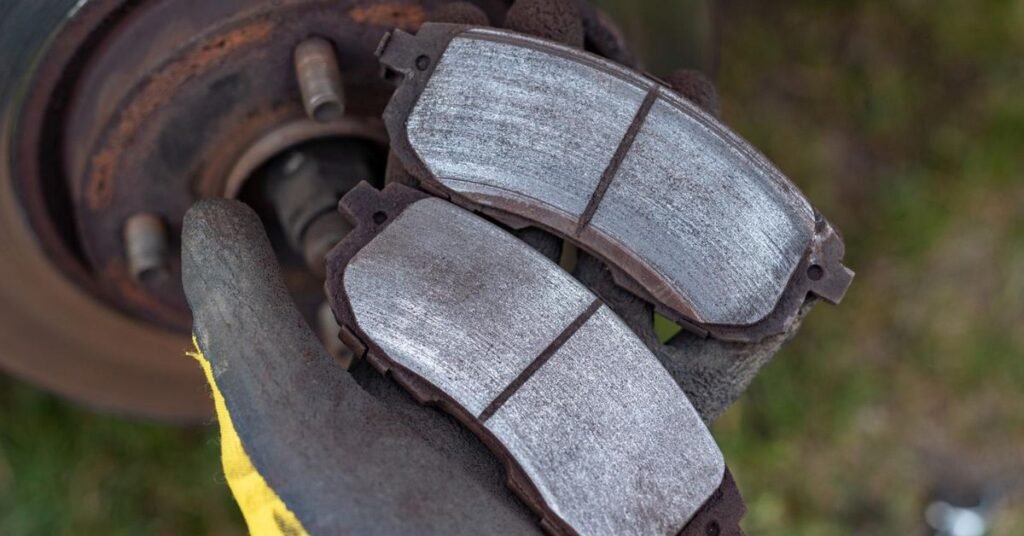
Another sign is reduced braking performance. The car may take longer to stop. You may also feel the brake pedal become soft or less responsive. This can make driving unsafe.
You may also notice vibration in the brake pedal or steering wheel. In some cases, a warning light appears on the dashboard. If you see these signs, it is time to check and replace the brake pads.
Features and Benefits
Brake pads are designed with strong and heat-resistant materials. They can handle high pressure during braking. In this way, the car can stop smoothly and safely. Good quality pads also reduce wear on other brake parts.
One major benefit is better driving safety. High-quality brake pads improve stopping power. They also give more control in sudden braking situations. As a result, driving becomes more confident and secure.
Another benefit is comfort during driving. Many brake pads reduce noise and vibration. They also provide smooth braking performance. This improves the overall driving experience.
Material Comparison
Brake pads are made from different materials. Each material works in a different way. Some are made for comfort, while others are made for performance. The main types are ceramic, semi-metallic, and organic.
Ceramic brake pads are quiet and clean. They produce less dust and last longer. Semi-metallic pads are strong and handle heat well. However, they can be a bit noisy. Organic pads are soft and smooth, but wear out faster.
Choosing the right material depends on your needs. If you want comfort, ceramic is a good choice. If you want power and strength, semi-metallic is better. For light driving, organic pads can work well.
Lifespan of Brake Pads
Brake pads do not last forever. Their lifespan depends on driving habits and road conditions. Their average lifespan is between 30,000 and 70,000 miles. With careful driving, some may last longer.
Frequent braking can reduce their life. City driving usually wears them out faster. Highway driving is easier on brake pads. Smooth driving helps them last longer.
Regular inspection is very important. Checking them helps avoid sudden failure. Replacing them on time keeps the car safe. It also prevents damage to other brake parts.
Wear Factors
Brake pads wear out for many reasons. Driving style is one of the main factors. Hard braking and sudden stops make them wear faster. Smooth driving helps them last longer.
Road conditions also affect brake pad life. Rough roads, hills, and heavy traffic increase wear. City driving usually causes more friction than highway driving. This leads to quicker damage over time.
Vehicle load is another important factor. Carrying a heavy load increases pressure on the brakes. Poor-quality pads also wear out faster. Regular checks can help avoid serious problems.
Choosing the Right Pads
Choosing the right brake pads is very important for safety. Different cars need different types of pads. You should always check your vehicle model before buying. This helps you get the correct fit and performance.
Your driving style also matters. If you drive daily in the city, ceramic pads are a good choice. For sporty or heavy driving, semi-metallic pads work better. Organic pads are best for light and normal use.
Quality should always come first. Cheap pads may wear out quickly and reduce safety. Always choose trusted brands for better performance. Good brake pads improve comfort and stopping power.
Installation Guide
Installing brake pads should be done carefully. First, the car is lifted, and the wheel is removed. Then the brake caliper is opened to access the old pads. Safety tools are important during this step.
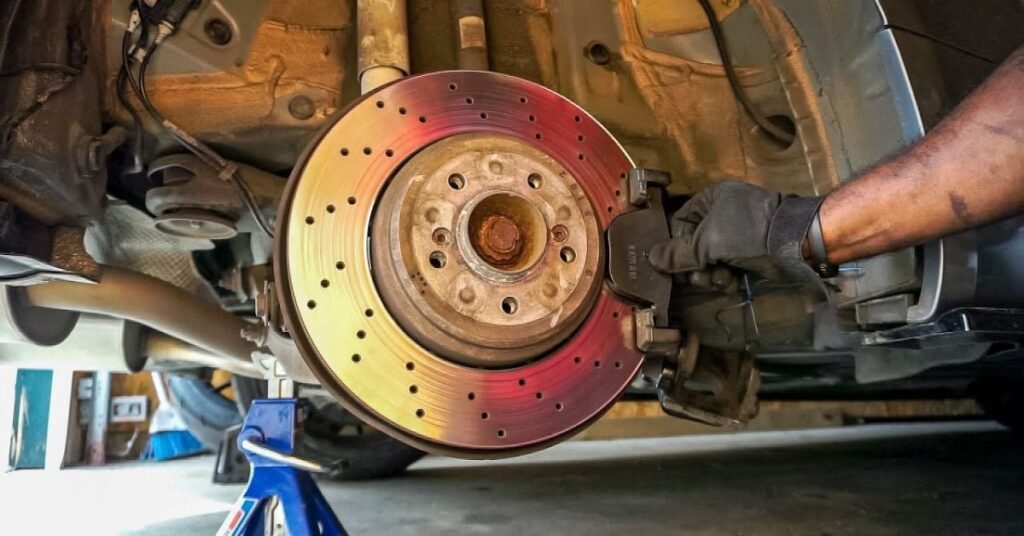
Next, the old brake pads are taken out. The area is cleaned to remove dust and dirt. New brake pads are then placed in the correct position. Everything must fit tightly and correctly.
Finally, the caliper and wheel are put back. The brakes are tested before driving. This ensures proper installation and safety. If unsure, a professional mechanic should do the job.
Maintenance Tips
Regular maintenance keeps brake pads in good condition. Check them often for wear and damage. Clean the brake area to remove dust and dirt. This helps improve braking performance.
Drive smoothly to extend brake pad life. Avoid hard braking and sudden stops. Distance yourself from other vehicles at all times. This reduces unnecessary pressure on the brakes.
Always get your brakes inspected by a mechanic. Replace pads when they become thin. Do not ignore warning signs like noise or vibration. Proper care keeps your car safe and reliable.
Cost Overview
The cost of brake pads depends on the type and brand. Ceramic pads are usually more expensive. Semi-metallic pads are mid-range in price. Organic pads are the cheapest option.
Labor cost also affects the total expense. Professional installation adds extra charges. Some workshops may charge more based on location. It is always good to compare prices first.
Spending more on quality pads can save money later. Good pads last longer and protect other parts. Cheap pads may need frequent replacement. This can increase overall maintenance costs.
BMW Brake Fluid
BMW brake fluid is an important part of the braking system. It helps transfer force from the brake pedal to the brakes. This allows the car to slow down and stop smoothly. Without it, the braking system cannot work properly.
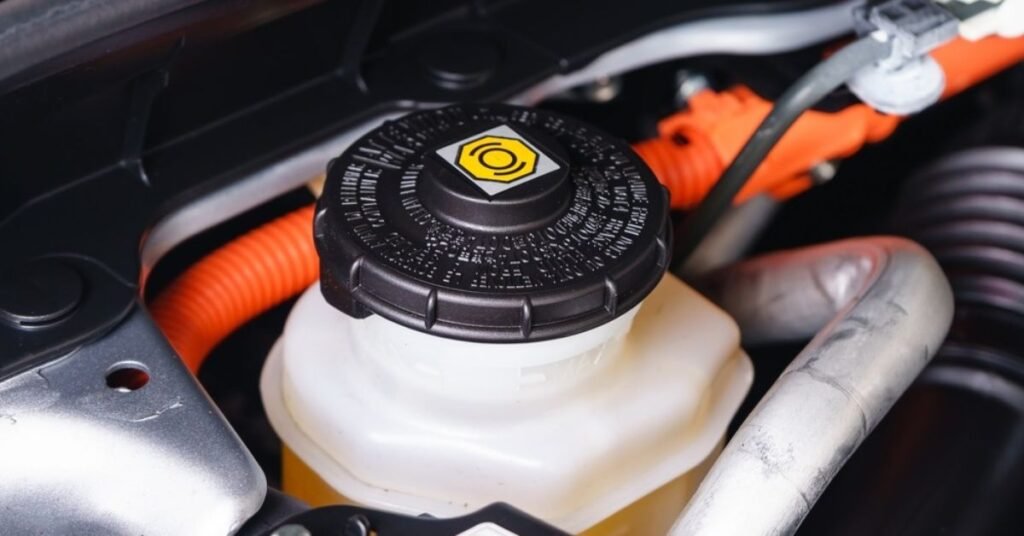
Brake fluid works under high pressure and heat. It must stay stable in all driving conditions. Over time, it can absorb moisture from the air. This reduces its performance and safety level.
Regular checking and replacement of brake fluid is important. Old fluid can affect braking power. Most experts recommend changing it every few years. This helps keep your BMW safe and responsive.
Final Thoughts
Brake pads are very important for safe driving. They help your car stop smoothly and quickly. Good quality pads improve safety and control. Regular care keeps them working well.
There are different types of brake pads for different needs. There are benefits and limitations to each type. Choosing the right one depends on your driving style. Proper selection improves performance and comfort.
Always check and maintain your brake pads on time. Replace them when they become worn out. This prevents accidents and damage. Good maintenance keeps your BMW safe on the road.
Conclusion
Brake pads are very important for safe driving. They help your BMW stop smoothly and protect you on the road. Regular checks and proper care keep them in good condition. This improves safety and performance.
Overall, maintaining brake pads is simple but very useful. Always replace them when they get worn out. Good care helps avoid bigger problems later. It also keeps your driving experience safe and comfortable.
FAQs
1. How often should BMW brake pads be replaced?
They are usually replaced every 30,000 to 70,000 miles, depending on driving style and conditions.
2. What are the signs of bad brake pads?
Squeaking noise, longer stopping distance, and vibration are common warning signs.
3. Which brake pads are best for BMW?
Ceramic pads are best for smooth and quiet driving, while semi-metallic pads are good for performance.
4. Can I drive with worn brake pads?
No, it is unsafe. Worn pads reduce braking power and can damage the brake system.
5. How can I make brake pads last longer?
Drive smoothly, avoid hard braking, and get regular maintenance checks.