The BMW exhaust system is an important part of the car. It removes harmful gases from the engine and sends them safely outside. It also helps control engine noise and supports smooth engine performance. A well-designed system can improve the driving experience.
A good exhaust system does more than remove gases. It can affect your BMW’s sound, power, fuel efficiency, and overall performance. That is why many BMW owners pay attention to the exhaust when maintaining or upgrading their cars.
In this guide, we will explore the main features of a BMW exhaust system. We will also cover its key components, performance benefits, exhaust sound, common problems, maintenance, upgrades, and replacement costs.
How the Exhaust Works
The BMW exhaust system collects gases produced during the combustion process and directs them away from the engine. These gases first pass through the exhaust manifold and then move through several components, depending on the BMW model and engine.
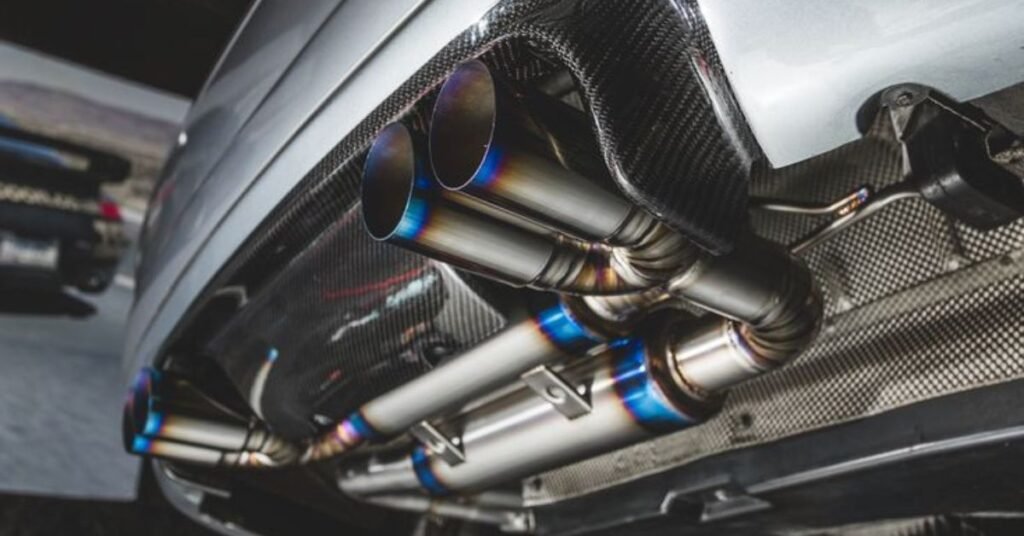
The catalytic converter helps reduce certain harmful emissions, while oxygen sensors monitor exhaust gases and send information to the engine control system. The muffler and resonator help control exhaust noise and sound. Finally, the exhaust pipes carry the gases to the tailpipe, where they are released outside the vehicle.
A properly functioning exhaust system helps manage emissions, noise, and the movement of exhaust gases. If a component develops a fault, symptoms such as unusual sounds, exhaust odors, or warning lights may appear and should be inspected.
Key Exhaust Components
The exhaust manifold collects exhaust gases from the engine’s cylinders and directs them into the exhaust system. Exhaust pipes then carry these gases through the system toward the rear of the vehicle. Depending on the BMW model and engine, the exhaust layout and components can vary.
The catalytic converter helps reduce harmful emissions before the exhaust gases are released. Oxygen sensors monitor the exhaust and provide data to the engine control system for combustion management. Other components, such as the muffler and resonator, help control exhaust noise and sound characteristics. Finally, the tailpipe directs the exhaust gases away from the vehicle.
Performance Benefits
A well-designed BMW exhaust system helps move exhaust gases away from the engine efficiently. Better exhaust flow can help the engine breathe more easily. This may support smoother acceleration and stronger overall performance.
A performance exhaust can also improve the sound of your BMW. Some systems create a deeper and sportier exhaust note. This can make driving more enjoyable, especially in performance-focused BMW models.
The exhaust system can also support proper emissions control and engine efficiency. However, the actual performance gains depend on the BMW model and exhaust setup. Regular maintenance helps keep the system working properly.
M Performance Exhaust
The BMW M Performance exhaust is designed for drivers who want a sportier driving experience. It can provide a deeper and more aggressive exhaust sound. Its design also supports efficient exhaust gas flow.
Many M Performance exhaust options are made with lightweight materials. Some systems include special exhaust valves that change the sound based on driving conditions. This can create a quieter sound during normal driving and a louder note during stronger acceleration.
An M Performance exhaust can also give the car a more sporty appearance. It is available for selected BMW models and engines. Before choosing one, check compatibility with your specific BMW.
Exhaust Sound and Tuning
The exhaust system plays a major role in how a BMW sounds. The muffler, resonator, pipes, and exhaust valves all affect the sound. A well-designed system can create a deeper and sportier exhaust note.
Exhaust tuning can change the sound without changing the engine itself. Some BMW systems use electronic or mechanical valves to control exhaust flow and volume. The sound can stay quieter during normal driving and become louder during acceleration.
Different tuning options suit different driving styles. A mild setup can provide a refined sound for daily driving. A performance setup can produce a stronger and more aggressive tone. It is important to choose a setup that matches your BMW model and remains legal for road use.
Common Exhaust Problems
BMW exhaust systems can develop problems as components age or become damaged. Common issues include exhaust leaks, rust, cracked pipes, damaged hangers, and loose connections. These faults may cause unusual sounds, vibrations, or changes in exhaust noise.
A faulty catalytic converter can trigger a warning light and may affect engine performance, depending on the nature of the fault. A damaged muffler or resonator can also make the exhaust louder than normal. Other signs can include unusual exhaust odors or visible damage around the exhaust system.
Regular inspections can help identify exhaust problems before they become more serious. If you notice unusual noises, warning lights, exhaust odors, or visible damage, have the vehicle inspected by a qualified technician. The exact cause should be diagnosed before replacing any component.
BMW Exhaust Types
BMW exhaust systems come in different types based on the model, engine, and performance needs. Standard systems focus on quiet operation, emissions control, and daily comfort. Performance systems can provide better exhaust flow and a deeper sound. M Performance options are designed for drivers who want a sportier feel.
The right exhaust type depends on your BMW model and driving style. Some systems are designed for comfort, while others focus more on sound and performance. The table below compares common BMW exhaust types and their main features.
| Exhaust Type | Main Purpose | Sound Level | Performance Focus | Common Use |
| Standard Exhaust | Emissions and comfort | Quiet | Balanced | Daily driving |
| Sport Exhaust | Better sound and flow | Moderate | Improved response | Sporty driving |
| M Performance Exhaust | Sporty sound and feel | Loud | High | BMW M Performance models |
| Valved Exhaust | Sound control | Adjustable | Balanced to high | Performance BMWs |
| Dual Exhaust | Better gas flow | Moderate | Balanced | Many BMW models |
| Quad Exhaust | Sporty appearance and flow | Sporty | High | M models |
| Aftermarket Exhaust | Custom sound and performance | Varies | Varies | Modified BMWs |
| Cat-Back Exhaust | Improve flow after the catalytic converter | Moderate to loud | Moderate | Performance upgrades |
| Axle-Back Exhaust | Change rear exhaust sound | Moderate to loud | Low to moderate | Sound upgrades |
| Titanium Exhaust | Reduce exhaust weight | Sporty | High | Performance builds |
| Stainless Steel Exhaust | Durability and performance | Varies | Moderate | Daily and performance use |
| OEM Exhaust | Factory performance and emissions | Factory level | Balanced | Stock BMWs |
OEM vs Aftermarket Systems
OEM exhaust systems are made for the original BMW model. They focus on proper fit, reliability, comfort, and emissions control. They are a good choice for daily driving and help keep the car close to its factory setup.
Aftermarket systems offer more choices for sound, appearance, and performance. However, quality can vary between brands and products. Before upgrading, check compatibility and local emissions or noise rules.
- OEM: Factory fit and balanced performance
- Aftermarket: More sound and tuning options
- OEM: Usually quieter and refined
- Aftermarket: Can provide a sportier exhaust note
- OEM: Best for a stock BMW
- Aftermarket: Better suited for customization
Maintenance Tips
Inspect the exhaust system regularly for cracks, rust, and loose connections. Look for unusual damage around the pipes and muffler. Early checks can help prevent bigger and more expensive repairs.
Pay attention to changes in exhaust sound and smell. A louder sound may indicate a leak or damaged muffler. Strong exhaust smells inside the cabin should also be checked quickly.
Keep up with your BMW’s regular service schedule. Have the catalytic converter, oxygen sensors, exhaust pipes, and hangers inspected when needed. Replacing damaged parts early helps keep the exhaust system safe and efficient.
Replacement and Repair
BMW exhaust parts can wear out over time. Common repairs include fixing leaks, replacing damaged pipes, and changing worn mufflers. Rust can also damage the exhaust system and may require part replacement.
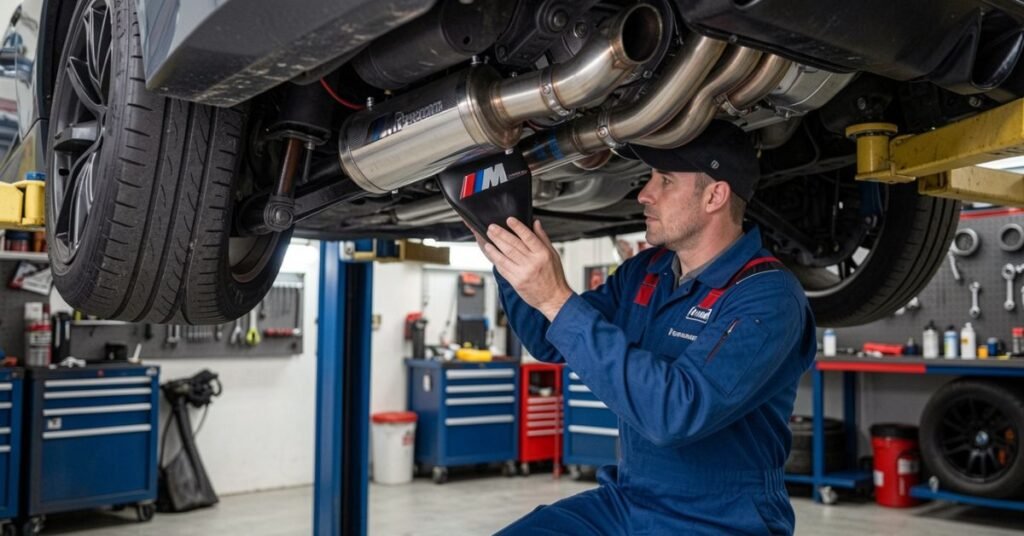
A mechanic should inspect the system before starting a repair. They can check the pipes, catalytic converter, sensors, muffler, and exhaust hangers. Some small leaks may be repaired, while badly damaged parts usually need replacement.
The repair cost depends on the damaged part and BMW model. OEM parts can provide a factory-style fit and performance. Aftermarket parts may offer more sound and performance choices. Always choose parts that match your specific BMW.
Exhaust System Cost
The cost of a BMW exhaust system depends on the model and the damaged part. A small repair or exhaust leak can cost less than replacing a major component. Mufflers, pipes, catalytic converters, and sensors all have different prices.
OEM parts are usually more expensive than aftermarket options. Labor costs also affect the final bill. Performance and M Performance exhaust systems can cost more because of their design and materials.
Before replacing any part, get a proper inspection and price estimate. Compare the cost of parts and labor from a trusted BMW specialist. The right part can help you balance quality, performance, and cost.
Choosing the Right Exhaust
Choosing the right exhaust depends on your BMW model, engine, and driving needs. Check the exact fitment before buying any system. The exhaust should match your car for safe and reliable performance.
Think about what you want from the upgrade. An OEM system is a good choice for comfort and factory-style performance. An aftermarket or M Performance system may suit drivers who want a sportier sound and appearance.
Also consider the material, build quality, price, and warranty. Check local noise and emissions rules before making changes. A trusted BMW specialist can help you select an exhaust that fits your car and driving style.
Conclusion
A good BMW exhaust system supports smooth engine performance, cleaner emissions, and better sound. Regular maintenance can help prevent leaks and costly repairs. Choosing the right system also depends on your BMW model and driving needs.
Whether you choose an OEM or aftermarket system, quality and proper fit are important. A well-maintained exhaust can improve your driving experience and keep your BMW running efficiently. Always choose suitable parts and get professional help when needed.
FAQs
1. What does a BMW exhaust system do?
It removes engine gases, controls emissions, and helps manage engine sound.
2. How can I tell if my exhaust has a problem?
Loud noises, unusual smells, reduced performance, or visible damage can indicate an exhaust issue.
3. Can a BMW exhaust improve performance?
A well-designed performance system can improve exhaust flow and may support better engine response.
4. Is an OEM or aftermarket exhaust better?
OEM systems offer factory-style fit and comfort, while aftermarket systems provide more sound and performance options.
5. How much does a BMW exhaust system cost?
Cost varies by BMW model, damaged part, labor, and whether you choose OEM or aftermarket components.